
What Makes Hikkaduwa One of Sri Lanka's Most Diverse Coastal Destinations?
Guide to Hikkaduwa, Sri Lanka
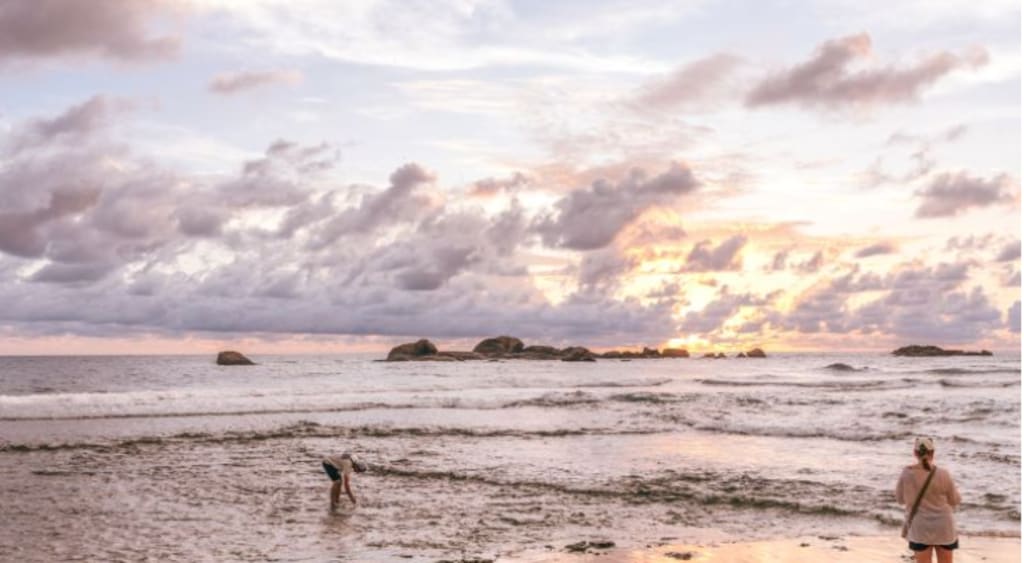
Hikkaduwa is a coastal town on Sri Lanka’s south-western shoreline shaped by the close relationship between ocean systems, settlement patterns, and long-standing cultural presence. Its character has evolved through fishing traditions, marine conservation efforts, trade routes, and changing patterns of coastal use. Within a limited geographic stretch, natural habitats, public beaches, religious landmarks, and everyday town life exist side by side. This article explores how Hikkaduwa’s geography, marine environment, cultural layers, and coastal rhythms combine to form one of the island’s most varied seaside destinations.
Coral Formations Shaping the Shoreline
The form of Hikkaduwa’s shoreline is closely linked to coral reefs that emerge close to land. These reefs create shallow lagoons in some areas while leaving other sections exposed to deeper water. As a result, wave behaviour, water depth, and seabed texture shift noticeably along the same stretch of beach.
These reef systems fall within the boundaries of the Hikkaduwa Marine National Park, designated to protect coral habitats, including branching and boulder species. Their presence moderates wave energy in reef-covered zones and allows stronger ocean movement in open sections, producing a coastline with clearly defined natural variations that influence how different areas are used.
Marine Life Within Reach of the Shore
Marine species form a visible part of Hikkaduwa’s shoreline. Reef fish, sea urchins, and molluscs occupy shallow coral areas, while green turtles and olive ridley turtles regularly move through near-shore waters where algae and seagrass are present. Most of the time, these turtle sightings happen in areas where the reef protects the turtles and the water doesn't move as much.
Conservation efforts operate alongside public beach use, reflecting the challenge of maintaining ecological balance within a settled area. Protected reef sections, turtle awareness initiatives, and regulated marine interaction have become part of everyday coastal management, embedding wildlife protection into the lived landscape.
Changing Ocean Conditions Along One Beach
Ocean behaviour in Hikkaduwa varies along short distances due to reef placement and exposure to seasonal swells. Shallow lagoons remain relatively calm during much of the year, while exposed points along the shoreline experience consistent wave formation during the November to March surf season. Wind direction and monsoon cycles further influence sea clarity and surface conditions.
These differences make it possible for people in the same town to use the ocean in many different ways. Calm areas are good for swimming and watching marine life, while nearby breaks are good for surfing. Natural features guide these patterns without physical barriers dividing the shoreline.
Cultural Landmarks Connected to the Sea
Cultural sites in Hikkaduwa are physically linked to the ocean. Seenigama Muhudu Viharaya, positioned on a small offshore rock, reflects long-standing coastal religious traditions associated with protection and seafaring livelihoods. Its location within the water places spiritual practice directly within the maritime landscape.
Memorials for the 2004 Indian Ocean tsunami add a more recent layer to history. These sites record the impact of natural forces on the town and recognise the town's recovery as a whole, giving Hikkaduwa's identity more historical depth beyond just recreation and nature.
Town Life Along the Beachfront
Hikkaduwa’s settlement pattern reinforces its layered character. The main coastal road runs parallel to the sea, bringing homes, food outlets, shops, and places of worship into direct contact with the shoreline. Fishing activity, daily commerce, and informal social gatherings take place within view of the water.
Accommodation follows this integrated pattern. Properties such as Hikka Tranz by Cinnamon occupy positions within the active beachfront zone, demonstrating how the town's infrastructure for hospitality is still linked to public access and daily mobility. Across the area, the range of Hikkaduwa hotels mirrors this mixed setting, combining small guesthouses with larger beachfront developments.
Seasonal Shifts Influencing Coastal Use
Seasonal monsoon cycles bring calmer seas and clearer water during the dry months, while stronger swells and heavier surf appear during the wetter periods. These shifts change which parts of the beach are suited to swimming, fishing, or water activity at different times of year. Daily life in the town continues with little disruption as these patterns repeat annually.
Over the years, wind direction and rainfall gradually reshaped the shoreline through erosion and sand movement along this stretch of coast.
Local Food Traditions, From Net To Plate
Cuisine in Hikkaduwa reflects a long relationship with the ocean and nearby farming areas. Daily catches supply small restaurants and household kitchens with tuna, seer, prawns, and cuttlefish, typically prepared using chilli, lime, curry leaves, and coconut-based sauces. Grilling or light currying is common, keeping natural flavours at the forefront.
Street-side eateries and casual cafés offer dishes such as rice served with mixed catches, kottu made with prawns or fish, and southern coastal short eats. Coconut sambols, citrus relishes, and rice-flour dishes appear regularly, shaped by regional habits based on availability rather than presentation. These everyday meals follow the coastal rhythm, connecting local eating culture to fishing cycles and shoreline life.
A Coastline Defined by Overlap
Hikkaduwa’s identity emerges through overlap. Coral reefs lie close to public beaches, religious sites extend into the sea, conservation operates within inhabited areas, and daily town life unfolds along the shore. Environmental systems, cultural memory, and economic activity remain closely connected across the same coastal space.
This sustained interaction between nature and settlement defines Hikkaduwa as one of Sri Lanka’s most diverse coastal destinations, shaped by long-term coexistence and shared use of the shoreline.
About the Creator
Keep reading
More stories from ameliarosanna and writers in Viva and other communities.
Why Visiting Sinharaja Can Change the Way You See Nature
Sinharaja is often regarded as Sri Lanka’s last tropical rainforest, but its significance extends far beyond that. By visiting this protected area, you can gain a deeper understanding of how ecosystems function, how biodiversity flourishes, and why conservation is so crucial. Instead of just offering mesmerising views, Sinharaja encourages you to see nature as a living, breathing system.
By ameliarosannaa day ago in Viva
The Immensely Fantabulous Career of Catherine O'Hara
This really hurts, big time. On January 30, 2026, we all received the news that still hurts us: Catherine O'Hara passed away at the age of 71. An amazing, iconic, and talented actress with a career that spanned five decades, Catherine Anne O'Hara was born on March 4, 1954 (a Pisces, like myself) in Toronto, and it was in that same city that she began her comedy career with The Second City in 1974. Two years later, O'Hara began her eight year run on the sketch comedy series, SCTV, which was the original Canadian clone of Saturday Night Live and pre-dated another Canadian sketch comedy series, Kids in the Hall, by just over a decade and a half.
By Clyde E. Dawkins4 days ago in Viva
A Letter to the Firestarter
Dear Firestarter, We can all see you, we've been watching you since you began. In case you didn't know we were here before you and we will be here after. We witnessed your rise, your setbacks, your guilt and your lies. We witnessed you start the fire.
By Donny Foley7 days ago in Poets




Comments
There are no comments for this story
Be the first to respond and start the conversation.