
The History and Evolution of International Women’s Day: Why It Still Matters
Celebrating Progress, Honouring Struggles, and Inspiring Change

International Women’s Day (IWD) is more than just a date on the calendar—it’s a global movement that celebrates the achievements of women while recognizing the ongoing fight for gender equality. Observed annually on March 8, this day has evolved from a labour movement in the early 20th century to a worldwide call for change. But how did it start, and why is it still relevant today? Let’s check the history, significance, and the continued impact of International Women’s Day.
The Origins: A Fight for Equality

The roots of International Women’s Day trace back to the early 1900s, a time when women across the world were fighting for better working conditions, suffrage, and equal rights. The first official Women’s Day was observed in 1909 in the United States, organized by the Socialist Party of America in honour of the 1908 garment workers' strike in New York. Women were demanding shorter hours, better pay, and voting rights.
A year later, in 1910, German activist Clara Zetkin proposed the idea of an international day for women at the International Socialist Women’s Conference in Copenhagen. The idea was met with unanimous support, and on March 19, 1911, the first official International Women’s Day was celebrated in Austria, Denmark, Germany, and Switzerland. Over a million people participated in rallies advocating for women’s rights to work, vote, and hold public office.
Expansion and Global Recognition
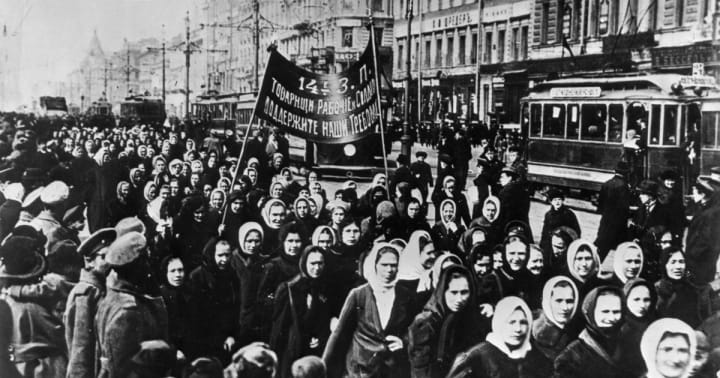
In 1917, International Women’s Day took on even greater significance when Russian women protested for "Bread and Peace," demanding the end of World War I and better living conditions. Their efforts led to major political changes, including women gaining the right to vote in Russia. Following this, March 8 was formally recognized as International Women’s Day.
As the decades passed, more countries acknowledged and embraced the day. The United Nations officially recognized International Women’s Day in 1975, declaring it a day to celebrate women's achievements and promote gender equality worldwide. Since then, it has grown into a globally recognized movement with themes and campaigns that highlight pressing issues faced by women.
Why International Women’s Day Still Matters Today
While progress has been made, gender inequality remains a significant issue. Women continue to face disparities in wages, political representation, education, and workplace opportunities. In many parts of the world, gender-based violence, discrimination, and lack of access to healthcare remain critical challenges.
Each year, International Women’s Day is marked by a global theme that raises awareness and drives action. Themes like #EachforEqual (2020), #ChooseToChallenge (2021), and #BreakTheBias (2022) highlight the ongoing fight against stereotypes and discrimination. In 2024, the theme emphasizes the importance of embracing equity and ensuring that all women, regardless of background, have equal opportunities.
How People and Organizations Celebrate International Women’s Day
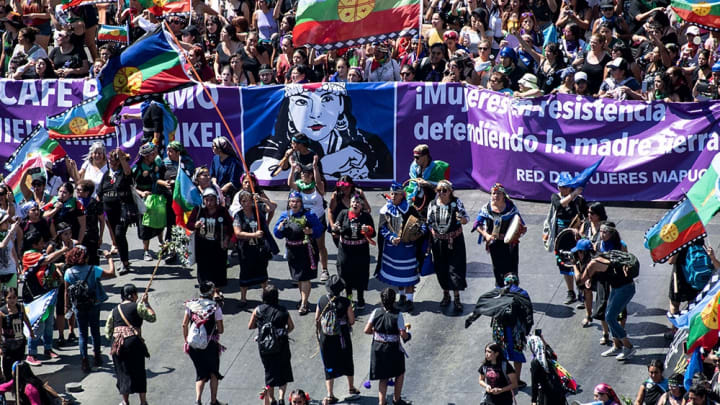
Events and Marches: Women’s rights groups and activists organize rallies and events to raise awareness about gender issues.
Corporate Initiatives: Companies use this day to promote diversity and inclusion, recognizing female employees and addressing workplace inequalities.
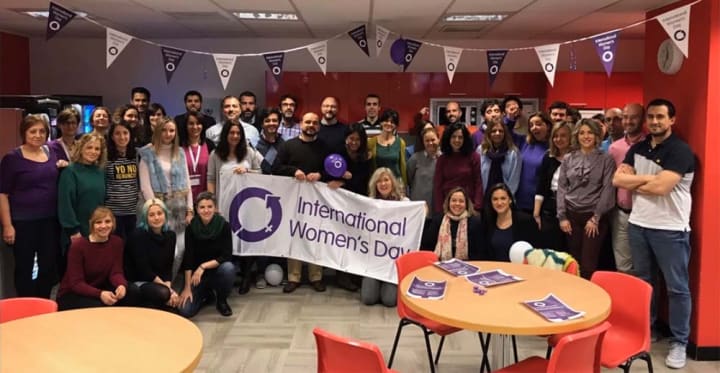
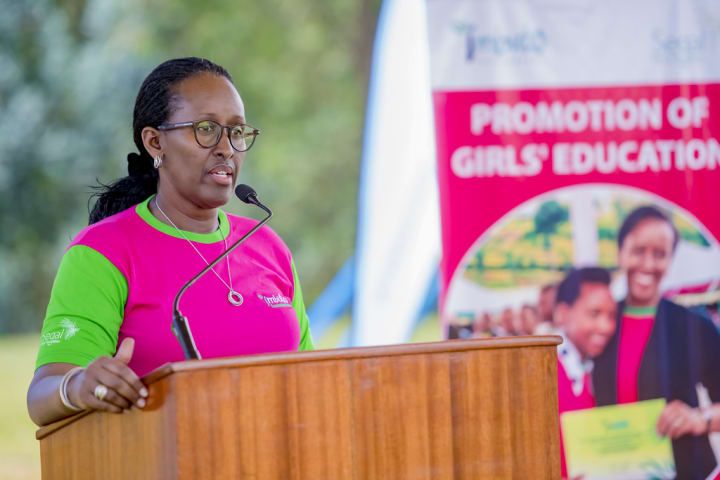
Educational Campaigns: Schools and universities hold discussions and programs to educate young people about gender equality.
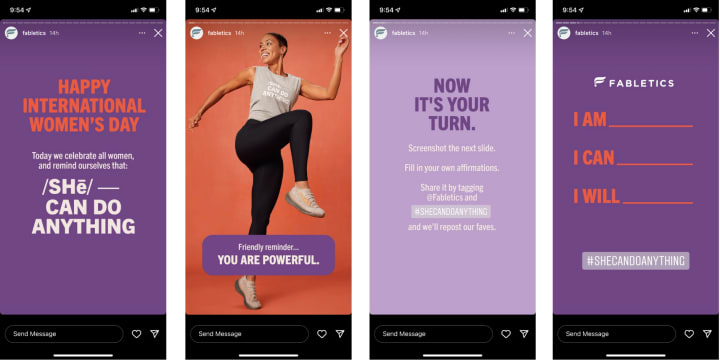
Social Media Movements: Hashtags and online campaigns spread awareness, amplify voices, and encourage people to take action.
The Future of International Women’s Day
The world has come a long way since the first Women’s Day, but there is still much work to be done. The fight for gender equality is ongoing, and International Women’s Day serves as a powerful reminder that progress requires continuous effort. Whether through activism, policy changes, or societal shifts, every individual plays a role in advancing gender equity.
As we celebrate International Women’s Day, let’s honour the past, acknowledge the present, and work toward a future where equality is not just an aspiration but a reality for all women.
How will you contribute to the movement?
About the Creator
Keep reading
More stories from Bevy Osuos and writers in Viva and other communities.
Canada Goose vs. Bald Eagle Fight: Battle Caught on Camera
Nature is full of surprises, and a recent encounter between a Canada goose and a bald eagle has left wildlife enthusiasts and casual observers stunned. The dramatic fight, caught on camera in Burlington, Ontario, in late February 2025, showcased a fierce battle between two birds that are often seen as national symbols: the bald eagle representing the United States and the Canada goose symbolizing Canada.
By Bevy Osuosabout a year ago in Earth
Is Lab-Grown Meat Even Edible?
For decades, the idea of meat grown in a laboratory sounded like something out of science fiction. The concept of producing a steak or chicken nugget without raising or slaughtering animals seemed futuristic, even unsettling to many people.
By Navigating the World6 days ago in Viva
Get Rid of Dark Pimple Marks
Dark pimple marks, often called post-acne marks, are one of the most common skin concerns today. Even after acne heals, these marks can remain on the skin for weeks or even months, making the complexion appear uneven. Many people struggle with these stubborn spots, especially those with oily or sensitive skin.
By Stories Todayabout 5 hours ago in Viva



Comments (1)
It matters a lot! Great! Well done!