
Feminism and it's influence in Pakistan
Progress, Chellenges and the Road ahead

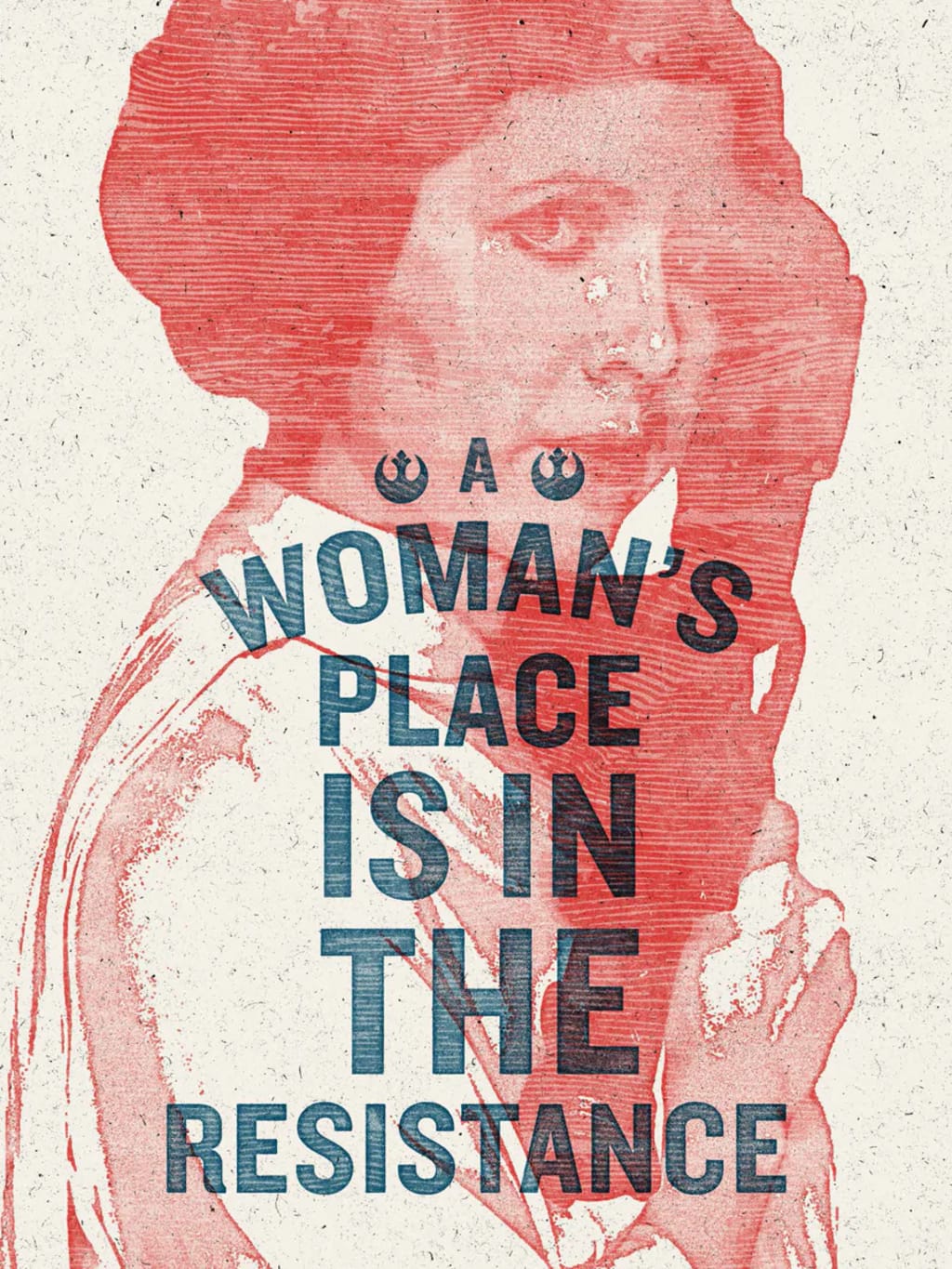
Feminism is a multifaceted and varied movement that argues for women's equal rights and opportunities, as well as the abolition of patriarchal structures that oppress and marginalise women. Despite considerable hurdles such as deeply established patriarchal standards and gender-based violence, Pakistan, a country with a rich and varied history, has experienced tremendous development in the feminist movement in recent years.
Historical Context
Pakistan won independence from British colonial authority in 1947 and has seen substantial political and social developments since then. The country is mostly Muslim, and Islam has a strong influence on society standards and values. Women's rights were not a priority in Pakistan for many years, and women were frequently limited to conventional roles in the home and in society.
However, feminist movements began to form in Pakistan throughout time, mostly in response to the country's harsh and discriminatory treatment of women. The Women's Action Forum was one of Pakistan's first feminist groups, founded in 1981 in response to the military government of General Zia ul Haq's discriminatory Hudood Ordinances. These laws made extramarital sex illegal and severely restricted women's rights in areas like as inheritance, divorce, and child custody.
Feminism in Contemporary Pakistan
In today's Pakistan, feminist action is broad and multidimensional, spanning a wide variety of topics and concerns. Violence against women is one of the primary topics that feminist activists in Pakistan are now working on. According to the Aurat Foundation, a Pakistani women's rights organisation, over 11,000 incidents of violence against women were recorded in Pakistan in 2020, including rape, murder, and domestic abuse.
In Pakistan, feminist organisations are addressing this issue using a variety of techniques, including legal lobbying, public awareness campaigns, and grassroots organising. The Women's Action Forum, which continues to be a strong voice for women's rights in Pakistan, is one of the most notable organizations working on this topic.
Another important problem that feminist activists in Pakistan are concerned about is women's political representation. Women are badly underrepresented in Pakistan's political institutions, while constituting over half of the population. Women have just 20% of the seats in Pakistan's National Assembly, and they continue to confront major impediments to political involvement, including as societal stigma and gender-based violence.
In Pakistan, feminist organisations are addressing this issue through a variety of strategies, including advocacy for increased political representation, training programs for women interested in running for office, and public awareness campaigns aimed at challenging patriarchal norms and stereotypes about women's roles in society.
Challenges Facing the Feminist Movement in Pakistan
Despite recent advances, Pakistan's feminist movement continues to confront considerable hurdles. One of the most difficult difficulties is the persistence of profoundly established patriarchal traditions and attitudes in Pakistani culture. Women who speak out on feminist causes are frequently harassed, threatened, and abused, and many women who encounter gender-based violence are hesitant to disclose it owing to societal shame and fear of retaliation.
Another issue confronting Pakistan's feminist movement is a lack of funding and support for feminist organisations. Many feminist organisations in Pakistan work on shoestring budgets and struggle to get government and other sources of funding and assistance. Due to a lack of funding, feminist organisations may struggle to have a real influence on the ground.
Conclusion
Despite the difficulties confronting Pakistan's feminist movement, there is grounds for optimism. Women's rights are rapidly being seen as an essential problem by politicians and the general public in Pakistan, as feminist organisations continue to make headway on a variety of concerns. There is optimism that as more women become active in feminist activity and lobbying, the movement will develop and genuine change will be achieved. The government and wider society must recognise the significance of women's rights and assist feminist organisations in their efforts to fight patriarchal conventions and establish a more equal and just society for all.
Finally, feminism in Pakistan has advanced significantly in recent years, with feminist organisations working persistently to address a broad variety of concerns, from violence against women to political representation. Despite the problems that remain, there is reason to believe that the feminist movement will expand and women's rights will be prioritised and promoted in Pakistan.
About the Creator
Shahmeer Ghuman
Shaping my thoughts into reality
Keep reading
More stories from Shahmeer Ghuman and writers in Viva and other communities.
The Unseen Treasure
In a small village nestled in the foothills of the mountains, there lived a young girl named Ana. She was curious and adventurous, always eager to explore the world around her. But there was one place she had never been allowed to go: the forbidden forest.
By Shahmeer Ghuman3 years ago in Fiction
Is Lab-Grown Meat Even Edible?
For decades, the idea of meat grown in a laboratory sounded like something out of science fiction. The concept of producing a steak or chicken nugget without raising or slaughtering animals seemed futuristic, even unsettling to many people.
By Navigating the World3 days ago in Viva
Why Staying Near Victoria Falls Transforms Your Safari Experience
A safari is not only about the animals spotted on a drive. It is shaped by where the day begins, how it unfolds, and how it ends. Near Victoria Falls, the experience feels calmer, richer, and far more personal. Staying close changes the pace, the mood, and the way the wild is remembered.
By Claudia Fennelabout 14 hours ago in Viva



Comments
There are no comments for this story
Be the first to respond and start the conversation.