
6 Winter Skincare Tips to Update Your Routine
These season-appropriate beauty regimen adjustments will help keep your skin’s moisture barrier strong in the face of winter weather challenges.


Winter can become especially harsh on the skin as temperatures drop, winds intensify, and indoor heating dries out the air. These conditions deplete the skin’s moisture contents and compromise its protective barrier, leaving your canvas more prone to dryness and irritation.
Adding to the challenge, we often turn to hot baths and showers during the colder months for warmth and comfort. However, exposure to hot water can worsen dryness by stripping the skin’s outermost layer of natural oils, necessary for retaining moisture and maintaining a healthy barrier function.
So, how can you protect your skin against these seasonal stressors? Keep reading for practical, winter-specific skincare tips to help you adapt your routine and keep your skin resilient throughout the colder season.

Provide Your Skin with Ample Moisturizing
A high-quality moisturizer suited to your skin type is especially crucial in adverse weather conditions, helping to reduce transepidermal water loss, add and retain moisture, and reinforce the skin barrier. Regardless of skin type, moisturizing is necessary in both morning and evening routines as it creates a layer of much-needed protection to shield the skin from environmental stress. Besides, winter is often the time to incorporate serums with active ingredients like retinoids or acids, which promote cell renewal and help smooth the skin but can also contribute to dryness. Pairing these with a rich moisturizer can help minimize potential irritation.
The ingredient formulation should be chosen depending on your skin type and concerns that need to be addressed. If the skin is irritated and itchy, emollients like ceramides and shea butter will provide relief and support the skin against external stressors. Humectants like hyaluronic acid and glycerin can replenish the skin’s moisture levels when it feels dried off and tight. Occlusives like plant-derived waxes and silicones will help protect the skin from extreme moisture loss when staying outdoors for a prolonged time or struggling with overly dry air indoors.

Ensure Gentle Cleansing
While harsh cleansers should be avoided year-round, they’re especially damaging in winter, as constant exposure to cold temperatures and winds makes the skin much more sensitive. Avoid sulfates, namely sodium lauryl sulfate (SLS) and sodium laureth sulfate (SLES); these are common surfactants in facial cleansers and body washes that can deplete the skin of oils crucial to a strong barrier, provoking dryness, irritation, redness, and itching. Instead, opt for milder surfactants such as lauryl glucoside or coco glucoside.
Incorporate a Hydrating Toner
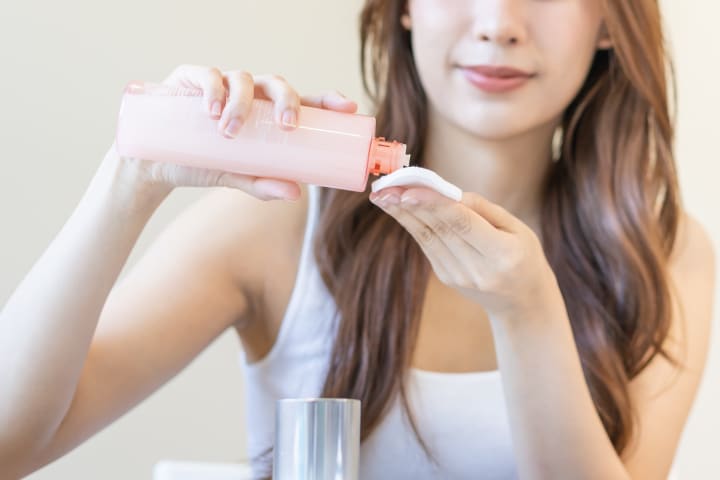
A toner restores the skin’s natural pH balance, which cleansing can disrupt. This step should be included both morning and night to help comfort, soothe, and hydrate the skin, supporting a resilient moisture barrier. Look for hydrating toners with ingredients like collagen, vitamin E, and botanical extracts to replenish the water content in the outermost layer of the skin lost from cleansing.

Add a Facial Oil for Extra Support
While moisturizers contain a mix of humectants, emollients, and occlusives in varying proportions depending on whether it’s a cream, gel cream, or essence, face oils are purely oil-based. They often include one or several plant, vegetable, seed, or fruit oils that are primarily emollient and occlusive. Unlike moisturizers, which are designed to provide instant hydration, oils offer long-lasting moisturizing. Due to their heavier texture, oils should be applied over your moisturizer to lock in hydration.

Don’t Forget About Your Lips
The naturally delicate skin on the lips is particularly susceptible to challenging weather conditions and requires extra moisture. Swap lip glosses for nourishing oils like shea butter, jojoba oil, or occlusive plant waxes to lock in moisture, prevent chapping, and keep lips smooth and hydrated.

Check Your Cosmetics for Irritating Ingredients
During the drier, cooler months, skin becomes more sensitive and prone to irritation, making it crucial to avoid unnecessary triggers. Use tools like the EWG's Skin Deep cosmetics database or a cosmetic scanner app like OnSkin to ensure your products are free from ingredients that could play havoc with your skin, disrupting its barrier defenses and exacerbating its vulnerability to environmental culprits. Pay special attention to allergenic fragrances (such as cinnamal, citral, farnesol, coumarin, eugenol, and geraniol), harsh alcohols (such as alcohol, alcohol denat, ethanol, and SD alcohol), and toxic preservatives (such as phenoxyethanol, formaldehyde releasers, methylchloroisothiazolinone, and methylisothiazolinone).
Texture is also important to consider, especially for products used outdoors. Gel products containing high water content may crystallize in low temperatures, causing skin hypothermia and dryness. Creamy formulations are preferable for winter, as they can provide deeper and more lasting moisturizing and stronger barrier support.
In addition to weather-related changes, seasonal hypovitaminosis caused by deficiencies in riboflavin, vitamin E, and vitamin A can also contribute to skin dryness. To counter this, maintaining a balanced diet rich in essential vitamins, nutrients, and minerals is vital for supporting healthy skin condition and function. By nourishing your body from within and adjusting your skincare routine to meet the season’s challenges, you can keep your skin glowing during winter months.
About the Creator
Ana Chur
Holistic health advocate and wellness writer
The Renaissance of Romance: Why the 1ct Oval Engagement Ring is Every Modern Bride’s Dream
Finding the "perfect" ring is often more stressful than the proposal itself. We spend hours scrolling through Pinterest boards, visiting high-end boutiques, and whispering to friends, all in search of a symbol that says "forever" without looking like it belongs in a museum. In the middle of this search, one specific style has risen above the rest, capturing the hearts of minimalist brides and luxury seekers alike: the 1ct oval engagement ring.
By Mohd Kaish7 days ago in Viva


Comments
There are no comments for this story
Be the first to respond and start the conversation.