
The Impact of Social Media on Women’s Sports
From the Sidelines to Center Stage: Social Media’s Role in Women’s Sports

Social media has fundamentally transformed the landscape of sports, especially for women. Traditionally underrepresented and often sidelined by mainstream media, women’s sports have found a new home and voice. Social media’s ability to connect, amplify, and mobilize has provided an unprecedented boost, reshaping how female athletes and teams are perceived, supported, and celebrated. Here, we dive into the significant impacts social media has had on women's sports, highlighting both the positive strides and the challenges that still need to be addressed.
Before the rise of social media, coverage of women’s sports was limited, with many athletes receiving minimal exposure compared to their male counterparts. Social media has allowed female athletes to bypass traditional media gatekeepers, sharing their stories directly with fans and followers. Instagram, Twitter, and TikTok have become powerful tools where athletes can showcase their skills, personality, and advocacy work. For instance, athletes such as Serena Williams, Megan Rapinoe, and Simone Biles use their platforms not only to highlight their athletic achievements but also to speak on issues like gender equality, mental health, and social justice. This direct communication helps build deeper connections with fans, ultimately increasing interest and support for women’s sports.
Social media has leveled the playing field, giving female athletes the same access to audiences as their male counterparts. Through creative content, athletes can garner attention, gain sponsorships, and grow their personal brands. This has opened up opportunities that were previously unavailable or difficult to access due to biased media representation. One notable example is the U.S. Women’s National Soccer Team, which leveraged social media during their fight for equal pay. The players used platforms to engage fans, rally support, and pressure organizations, turning a legal battle into a broader social movement. Their ability to control the narrative was a game-changer, showcasing the power of social media as a tool for activism and change.
Social media has allowed fans to interact with athletes in ways that were never possible before by increading their following and thier ability to comment, share, and engage with content. Thus creating a sense of community around athletes and teams fosters a more inclusive fan base that feels connected to the sport beyond just watching games. A major beneficiary of this has been the WNBA. The WNBA's following has skyrocketted since using Twitter and Instagram to promote games, highlight players, and share behind-the-scenes content. Other Women’s leagues and teams have followed suite and have been proving great success building their dedicated fan bases. These efforts have led to increased visibility, attendance, and television ratings, demonstrating the power of digital engagement in growing women’s sports.
While social media has brought significant benefits, it also presents unique challenges. Female athletes often face heightened scrutiny, online harassment, and sexist comments on their posts. This negativity can affect their mental health and overall well-being, highlighting the need for better online safety measures and supportive digital communities. Moreover, the commercial benefits of social media are not equally distributed. High-profile athletes with large followings can monetize their platforms, but lesser-known athletes, especially those in niche sports, still struggle for recognition and sponsorships. The disparity in visibility and financial gain underscores ongoing issues of inequality in sports.
Social media has also transformed how sponsorship deals are brokered in women’s sports. Brands are increasingly recognizing the value of partnering with female athletes who have loyal and engaged followers. These athletes offer brands an authentic connection to diverse and passionate audiences, often aligning with messages of empowerment, inclusivity, and resilience. For example, brands like Nike and Adidas have launched campaigns specifically featuring female athletes, capitalizing on the powerful stories and strong social media presences of their ambassadors. These partnerships go beyond traditional advertising, creating narratives that resonate with audiences and contribute to the overall growth of women’s sports.
Perhaps the most profound impact of social media on women’s sports is its role in inspiring the next generation of athletes. Young girls now have visible role models who not only excel in their sports but also advocate for issues that matter. The visibility of female athletes on social media serves as a powerful reminder that women belong in sports, both as participants and as fans. The rise of viral moments resonates deeply with young fans who see these athletes as more than just competitors. They become symbols of perseverance, strength, and empowerment, encouraging more girls to pursue sports.
Social media has revolutionized women's sports, offering a platform for increased visibility, fan engagement, and advocacy. While challenges remain, the positive impact of these platforms cannot be overstated. Female athletes are not just playing to win; they are building movements, breaking barriers, and inspiring future generations. To keep this momentum going, it’s essential for fans, brands, and media to continue supporting and uplifting women’s sports, ensuring that the voices of female athletes are heard loud and clear across all platforms.
About the Creator
Keep reading
More stories from Val Seca and writers in Unbalanced and other communities.
Wild Card Weekend Recap: What Happens Now?
I think I figured out why I love Wild Card Weekend so much. It's because it's the first playoff anything of the calendar year. The NFL season starts in the fall, and once upon a time, the champion was crowned either on or slightly before New Year's. The evolution of the NFL schedule has resulted in the playoffs starting just into the New Year, and currently, the final week of the season falls on the first weekend of the New Year, with Wild Card Weekend coming a week after that. So yes, chronologically, the NFL's Wild Card Weekend serves as the first playoff anything of the calendar year.
By Clyde E. Dawkins8 days ago in Unbalanced
Homestand Part IV: Crushed
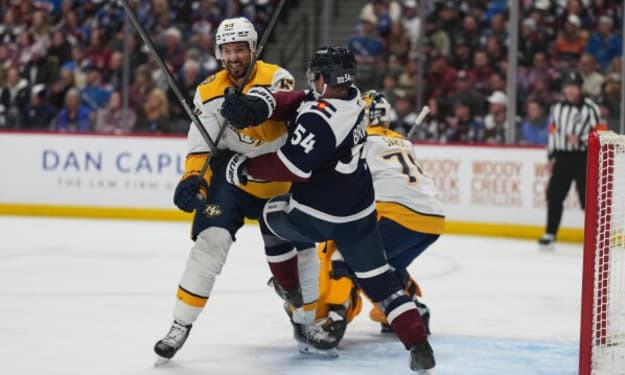
Well... that happened. The Colorado Avalanche had a long layoff after the overtime loss to the Toronto Maple Leafs. That loss snapped a 17-game home winning streak, but the points streak remained. 22 home games, lost three--all past regulation. After three days off, the Avs were back in action against the Nashville Predators, and I always get nostalgic when the Avs and Preds get together. The teams met twice in the playoffs, in 2018 and 2022, and because of those meetings, I've always said that it's fun when these teams get together.
By Clyde E. Dawkins2 days ago in Unbalanced
How to Succeed at the Benson Directory®
Congratulations and welcome to the Benson Directory® employee #22391! As our newest call handler, you will have the privilege of speaking with dozens of unique and interesting people on a daily basis as well as the opportunity to earn bonuses for high performance. Contained within this handbook you will find a set of ease to follow instructions designed to help you settle in to your new role and begin paving the way to success.
By S. A. Crawford4 days ago in Fiction



Comments
There are no comments for this story
Be the first to respond and start the conversation.