
The Carragher & Africa Cup of Nations Row Explained – What Went Wrong?
Jamie Carragher’s Response – Clarification or Damage Control?

What Sparked the Controversy?
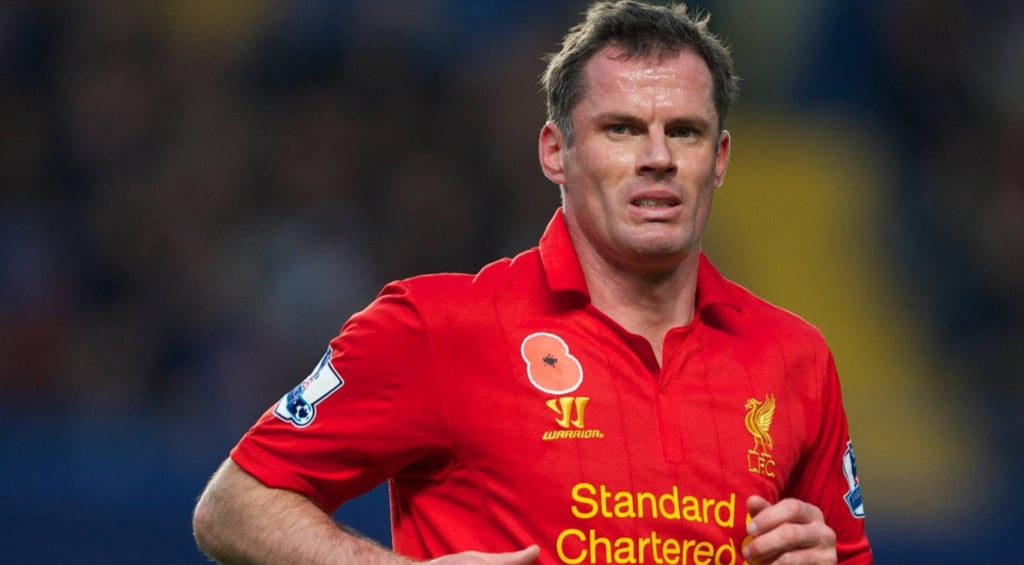
The football world was recently shaken by comments made by Jamie Carragher, a former Liverpool defender and renowned football pundit, regarding the Africa Cup of Nations (AFCON). His remarks ignited a heated debate, drawing criticism from players, fans, and football stakeholders across the globe.
Carragher’s comments came during a discussion about the scheduling of international tournaments. He suggested that AFCON should be moved to align with the European football calendar, claiming that it causes disruptions for Premier League clubs who lose key African players mid-season. His remarks, however, were met with strong opposition, with many arguing that his stance reflects a Eurocentric perspective that disregards African football traditions.
Jamie Carragher’s Argument: A Club vs. Country Debate
Jamie Carragher's main concern revolves around the fact that AFCON is played in January and February, which clashes with the middle of the European football season. He argued that clubs, especially those in the Premier League, are put at a disadvantage when African players leave to represent their national teams. This has led to instances where clubs hesitate to sign African players due to the potential mid-season absence.
Carragher’s viewpoint echoes similar arguments made by European clubs in the past, who feel that AFCON's scheduling is unfair to them. His critics, however, argue that the FIFA World Cup, the Euros, and Copa América do not face the same level of scrutiny despite their own scheduling conflicts.
The Backlash: African Players & Pundits Respond
Carragher’s comments were met with immediate backlash from African players, former footballers, and fans who felt that his statement undermined the significance of AFCON. Many pointed out that AFCON is one of the most prestigious tournaments in world football, comparable to the European Championship and Copa América.
African football legends like Didier Drogba, Samuel Eto’o, and Jay-Jay Okocha have long emphasized the importance of AFCON, not just as a sporting event, but as a cultural celebration that unites the continent. Critics of Carragher’s stance argue that suggesting a rescheduling of AFCON reflects a lack of respect for African football and an Eurocentric bias that prioritizes European club football over international competition.
Why Is AFCON Held in January?
One of the key arguments against moving AFCON to the European summer is weather conditions. Many African countries experience extreme temperatures and monsoon seasons between June and August, making it logistically challenging to host a major tournament during that period.
Moreover, AFCON has been traditionally held in January to accommodate domestic football schedules in Africa, ensuring that local leagues are not disrupted. While some editions have experimented with a summer schedule (such as AFCON 2019 in Egypt), logistical challenges remain a significant barrier to a permanent shift.
European Clubs vs. International Football: A Bigger Issue?
Carragher’s comments highlight a broader issue in modern football—the growing power struggle between club and international football. With the increasing commercialization of European football, many clubs view international tournaments as a disruption rather than a privilege for players.
However, international competitions are essential for the growth and development of football across all continents. African players have the right to represent their countries without being viewed as a burden to their clubs. Many have argued that if European clubs struggle with player absences, they should improve their squad depth rather than challenge AFCON’s existence.
Carragher’s Response & Damage Control
Following the backlash, Jamie Carragher attempted to clarify his remarks, stating that he did not intend to undermine AFCON but was merely pointing out the difficulties faced by European clubs. However, the damage had already been done, with many critics arguing that his initial comments reflected a deeper issue of how African football is perceived by European stakeholders.
This controversy serves as a reminder of the ongoing struggle for fair representation in global football. African football has produced some of the greatest players in history, and AFCON remains a crucial platform for showcasing talent and celebrating Africa’s rich football heritage.
Conclusion: A Lesson in Respect for Global Football
The Jamie Carragher AFCON row is more than just a debate about scheduling—it highlights the continued need for respect and equality in world football. AFCON is not just another tournament; it is a symbol of African football excellence.
Rather than viewing AFCON as an inconvenience, European football should embrace it as part of the global football calendar, just as they do for the European Championship and Copa América. The conversation sparked by Carragher’s comments should serve as a wake-up call for greater inclusivity and understanding in football discussions.
About the Creator
Vincent Otiri
I'm a passionate writer who crafts engaging and insightful content across various topics. Discover more of my articles and insights on Vocal.Media.
Keep reading
More stories from Vincent Otiri and writers in Unbalanced and other communities.
Senator Natasha Accuses Akpabio of Victimisation: Sexual Harassment in Politics?
Senator Natasha Akpoti-Uduaghan has made shocking allegations against the Senate President, Godswill Akpabio, accusing him of sexual harassment and victimisation. The claims, which have sparked widespread reactions, have once again brought the issue of gender-based misconduct and abuse of power within Nigerian politics into the spotlight.
By Vincent Otiriabout a year ago in Journal
Stanley Cup Playoff Push 2026: Topsy-Turvy
The first week in March has come and gone, as has the NHL's Trade Deadline, which is always chaotic. I always enjoy the aura of the NHL's home stretch, but this year feels, well, special. It's different. The landscape is undergoing a drastic change this year. Narratives are shifting. The few constants in this league are dwindling. So may surprises are popping up, but one thing is very certain: this home stretch is absolutely spectacular!
By Clyde E. Dawkins7 days ago in Unbalanced
Naomi Osaka: Strength, Silence, and the Courage to Speak
Some athletes are remembered only for what they achieve on the court. Others become symbols of something deeper. Naomi Osaka belongs to the second group. Her rise in tennis captured global attention, but her story quickly became about more than powerful serves and Grand Slam titles. Fans saw a young player navigating fame, pressure, and personal identity in a sport that often demands perfection. At times she appeared quiet and reserved, yet her actions carried strong meaning. Naomi Osaka showed that strength does not always look loud or dramatic. Sometimes it appears in honest conversations, difficult choices, and the courage to stand by personal values. Her journey through tennis reveals the emotional challenges of success and the determination required to remain true to oneself.
By Muqadas khan6 days ago in Unbalanced
Hottest in the Office
Dear Rafi, You’re very distracting to work around. For the first second I saw you the other day, I thought you were some type of executive. It took a moment to realize no, you were just the new guy, dressed up for the job he wants. Be still, my heart.
By Gabriel Shames4 days ago in Pride



Comments
There are no comments for this story
Be the first to respond and start the conversation.