
Pickleball Instruction Improve Your Serve and Return
Master the Key Skills to Gain Control on the Court


Pickleball is one of the fastest-growing sports today, combining elements of tennis, badminton, and ping pong into an exciting and accessible game. Whether you're a beginner or looking to sharpen your skills, mastering the serve and return is crucial for gaining control in every match. This blog will guide you through practical tips and techniques to improve your pickleball Instruction serve and return, helping you become a more confident and effective player.
Why Serve and Return Matter in Pickleball
In pickleball, the serve is your first opportunity to dictate the pace of the rally. A strong, well-placed serve can put your opponent on the defensive right from the start. Equally important is the return—how you respond to your opponent’s serve can set up your next shot or even win the point outright.
Improving these two skills not only boosts your offensive game but also reduces unforced errors, giving you a strategic advantage on the court.
Pickleball Serve Basics The Underhand Advantage
Unlike tennis, pickleball requires an underhand serve, where the paddle must strike the ball below the waist level. Here are some essential tips for a better serve:
Proper Stance and Grip: Stand with your feet shoulder-width apart, with your non-paddle foot slightly forward. Use a relaxed grip on your paddle to allow smooth wrist action.
Ball Position: Hold the ball in your non-paddle hand, keeping it at waist height. This helps ensure the paddle strikes the ball below the waist.
Smooth Swing: Use a controlled, pendulum-like motion to swing your paddle forward and strike the ball. Avoid jerky or overly forceful swings to maintain accuracy.
Target Placement: Aim your serve deep into your opponent’s service court, near the baseline or the back corners. This makes it harder for them to return aggressively.
Advanced Serve Techniques to Try
Once you have mastered the basic serve, you can experiment with variations to keep your opponent guessing:
The Spin Serve: Adding a slight spin can make the ball curve or bounce unpredictably, forcing your opponent to adjust.
The Soft Serve: A slower, softer serve can catch your opponent off guard, especially if they expect power.
Angle Serve: Aim diagonally toward the sidelines to exploit gaps in your opponent’s court coverage.
Improving Your Return: Reading and Reacting
The return is all about anticipation and control. Here’s how to improve your return game:
Watch Your Opponent’s Paddle: Pay attention to their paddle angle and swing speed as it gives clues about where the ball is going.
Stay Low and Ready: Keep a slight bend in your knees and maintain an athletic stance. Being ready to move quickly is key.
Use a Short, Compact Swing: Unlike a full swing, a shorter return stroke gives you more control and precision.
Focus on Placement: Instead of hitting hard, aim your return to the opponent’s weaker side or the middle of the court to disrupt their rhythm.
Drills to Practice Serve and Return
Incorporating drills into your practice routine can dramatically improve your serve and return skills:
Target Practice for Serving: Place cones or targets in your opponent’s service box and aim to hit them consistently.
Return Reaction Drill: Have a partner serve different types of shots while you focus on reading and returning accurately.
Consistency Drill: Serve 20 balls in a row trying to land each one legally and accurately without faults.
Return Placement Drill: Practice returning serves to specific spots on the court to build accuracy under pressure.
Final Tips for Success
Stay Relaxed: Tension can ruin your timing and accuracy, so keep your muscles loose during serves and returns.
Watch the Ball: Keep your eyes on the ball at all times to improve hand-eye coordination.
Practice Regularly: Like any skill, consistent practice is the best way to improve your serve and return.
Analyze Your Matches: Record or review your games to identify weaknesses and track progress.
About the Creator
Pickle Ball
Pickleball is a fast-paced paddle sport combining elements of tennis, badminton, and ping-pong. Played on a small court with a perforated ball, it's fun, social, and easy to learn.
Keep reading
More stories from Pickle Ball and writers in Unbalanced and other communities.
Get Better at Pickleball Without Playing More Hours
Want to up your pickleball game but don’t have extra hours to spend on the court? Good news improvement isn’t only about time; it’s about focus, strategy, and smart habits. Whether you're a weekend warrior or an intermediate player stuck in a plateau, here are practical ways to Get Better at Pickleball without adding more hours to your schedule.
By Pickle Ball10 months ago in Unbalanced
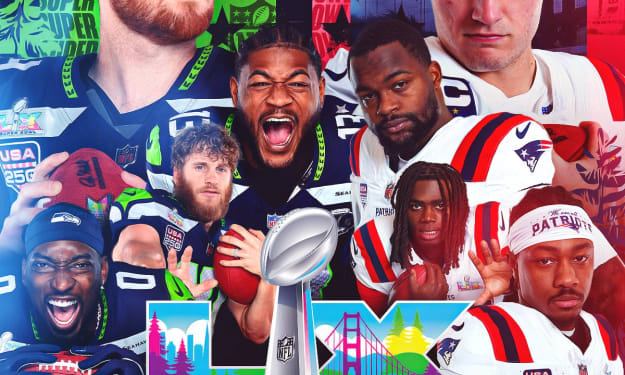
Super Bowl LX Recap: A Team Called Hawks
Sixty. The Super Bowl turned 60! Still amazes me that this was the sixtieth Super Bowl played in NFL history. It seems like yesterday that I watched Super Bowl XXVII, the first SB I ever watched. The QB who won Super Bowl XXVII has since called a few SBs, and will call next year's game, but that's another story. Super Bowl LX took place at Levi's Stadium in Santa Clara, California, the home stadium of the San Francisco 49ers. However, it was one of their division foes who represented the NFC, as the Seattle Seahawks faced off against the New England Patriots.
By Clyde E. Dawkins24 days ago in Unbalanced
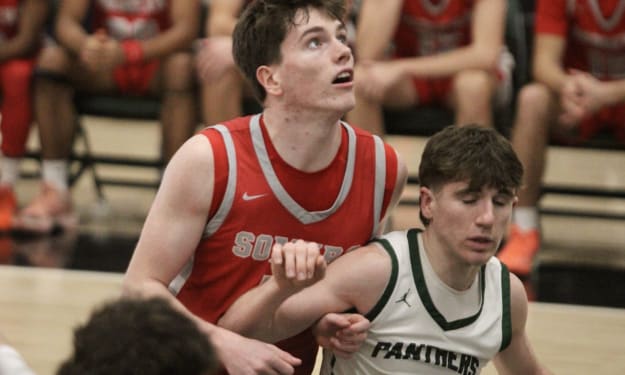
Somers Hits Wall in 50-39 Defeat to Pleasantville
Scroll down for crowd shots and photos versus Pleasantville On Thursday February 12, Somers traveled to Pleasantville High School and battled back and forth with the Panthers for two and half periods. A 32-30 score resulting, the game changed on one very hot hand.
By Rich Monettia day ago in Unbalanced
Who is your "Person"?
It's important to recognize that you cannot go through life as easily on your own. My name is Elizabeth and I'm a survivor of child abuse and horrific trauma. Healing from trauma is not a quick fix and recognizing that it will take time, is part of the struggle.
By Elizabeth Woods2 days ago in Psyche


Comments (1)
Pickleball sounds like a fun mix of sports. I like how you explain the importance of serve and return. I've played a bit, and getting the underhand serve right was tricky at first. How do you think the spin serve changes the game compared to a basic serve? Also, any tips on quickly adjusting your return based on the type of serve you get?