
Phil Parkinson: The Mastermind Behind Modern Football Resilience
From the dugouts of lower leagues to inspiring comebacks, Phil Parkinson’s coaching journey reflects determination, discipline, and an unshakable belief in teamwork.

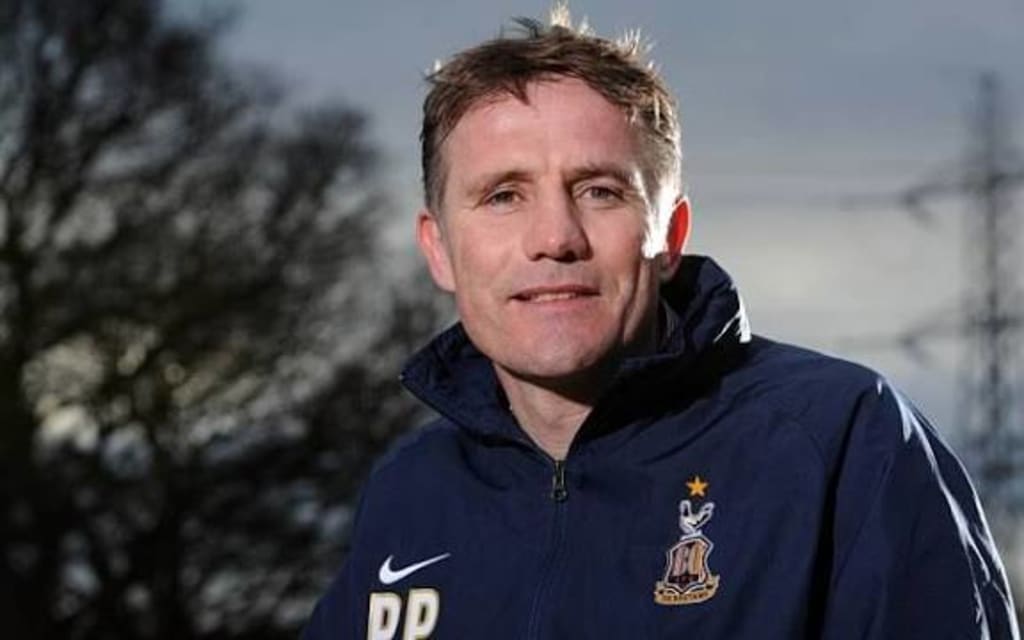
In the fast-paced world of football, where managers rise and fall with every result, few names stand for consistency and quiet strength quite like Phil Parkinson. Known for his tactical intelligence, leadership, and ability to unite teams under pressure, Parkinson has become one of English football’s most respected managers.
From his early days as a midfielder to his transformation into a master tactician on the sidelines, Phil Parkinson’s career is a story of perseverance, adaptation, and a relentless pursuit of success.
---
Early Years and Playing Career
Born in Chorley, England, in 1967, Phil Parkinson began his football journey as a player long before he ever thought about managing. He played as a midfielder for Bury and Reading, where he became known for his tough tackling, tireless work ethic, and natural leadership qualities.
During his 11-year spell at Reading, Parkinson became a club legend. He made over 350 appearances, helping the team climb the divisions and establishing himself as one of the most reliable players of his generation. His dedication on the pitch and his ability to inspire teammates hinted at the managerial career that would later define him.
When he retired in 2003, it wasn’t long before Parkinson’s tactical understanding of the game earned him a new role — from player to manager.
---
The Transition to Management
Phil Parkinson’s first major managerial opportunity came with Colchester United in 2003. He quickly proved his worth by leading the club to its highest-ever league finish and securing promotion to the Championship. This achievement put his name on the radar of many clubs looking for a steady, results-driven leader.
He later managed Hull City, Charlton Athletic, Bradford City, Bolton Wanderers, and Sunderland, among others. Throughout his managerial journey, Parkinson developed a reputation for getting the best out of limited resources — a trait that earned him respect across English football.
At Bradford City, he pulled off one of the most remarkable cup runs in modern football history. During the 2012–13 League Cup, his Bradford team, then in League Two, defeated Premier League giants Arsenal and Aston Villa, reaching the final at Wembley. Though they fell short against Swansea City, the achievement was monumental — it showcased Parkinson’s tactical brilliance, his ability to motivate players, and his unshakeable belief in the underdog spirit.
---
Philosophy and Style of Play
Phil Parkinson’s teams are built on discipline, organization, and unity. He’s known for setting up defensively solid sides that combine physicality with smart counter-attacking football. While some critics call his style “old school,” his record shows it’s effective, reliable, and resilient — especially in the lower divisions, where resources and talent often vary widely.
He emphasizes teamwork over individual brilliance. For Parkinson, success isn’t about one star player—it’s about the collective effort, the willingness to defend as a unit, and the hunger to win. His players often speak highly of his man-management skills, describing him as a coach who genuinely understands the human side of football.
---
A New Chapter: Wrexham and Global Recognition
Phil Parkinson gained renewed global attention when he took over as manager of Wrexham AFC in 2021. The club, which had recently come under the ownership of Hollywood actors Ryan Reynolds and Rob McElhenney, became a worldwide phenomenon thanks to the hit documentary series Welcome to Wrexham.
While the show highlighted the glamour and excitement of celebrity ownership, it was Parkinson’s tactical leadership and steady hand that kept the team grounded. He focused on rebuilding the squad, improving discipline, and restoring belief among fans.
Under his management, Wrexham achieved promotion to League Two in 2023, marking a historic moment for the club and its supporters. The achievement was the perfect example of Parkinson’s leadership — blending passion, professionalism, and humility.
The success story at Wrexham also introduced Parkinson to millions of new fans worldwide, many of whom were watching lower-league English football for the first time. Through the cameras, the world saw what English football fans had long known: Phil Parkinson is a manager who leads with purpose and pride.
---
Legacy and Leadership
Phil Parkinson’s journey is more than a football story—it’s a lesson in resilience and perseverance. He has faced setbacks, criticism, and challenges at every level of the game, yet he continues to find ways to bring out the best in his teams.
In a sport often dominated by big money and instant gratification, Parkinson represents something different — the belief that success comes from hard work, preparation, and unity. His story is a reminder that football’s heart still beats strongest in the dedication of those who never give up, even when the odds are stacked against them.
As Wrexham continues its rise, Phil Parkinson stands at the center of it all—a man who has proven, time and again, that leadership isn’t about fame, but about trust, strategy, and heart.
---
About the Creator
Fiaz Ahmed
I am Fiaz Ahmed. I am a passionate writer. I love covering trending topics and breaking news. With a sharp eye for what’s happening around the world, and crafts timely and engaging stories that keep readers informed and updated.
Keep reading
More stories from Fiaz Ahmed and writers in Unbalanced and other communities.
Dani García: The Heart and Soul of Athletic Bilbao’s Midfield
Subtitle: How Dani García’s Consistency, Grit, and Team Spirit Make Him a True Unsung Hero of Spanish Football --- In the world of football, flashy goals and highlight-reel tricks often steal the spotlight. Yet, every successful team needs players who do the hard work — the ones who fight for every ball, close down opponents, and keep the team balanced. Dani García, a Spanish midfielder for Athletic Bilbao, is one of those players who embodies determination, loyalty, and resilience. While he may not make daily headlines, his influence on and off the field proves that football is as much about teamwork as it is about talent.
By Fiaz Ahmed 5 months ago in Unbalanced
Stanley Cup Playoff Push 2026: Topsy-Turvy
The first week in March has come and gone, as has the NHL's Trade Deadline, which is always chaotic. I always enjoy the aura of the NHL's home stretch, but this year feels, well, special. It's different. The landscape is undergoing a drastic change this year. Narratives are shifting. The few constants in this league are dwindling. So may surprises are popping up, but one thing is very certain: this home stretch is absolutely spectacular!
By Clyde E. Dawkins7 days ago in Unbalanced
Naomi Osaka: Strength, Silence, and the Courage to Speak
Some athletes are remembered only for what they achieve on the court. Others become symbols of something deeper. Naomi Osaka belongs to the second group. Her rise in tennis captured global attention, but her story quickly became about more than powerful serves and Grand Slam titles. Fans saw a young player navigating fame, pressure, and personal identity in a sport that often demands perfection. At times she appeared quiet and reserved, yet her actions carried strong meaning. Naomi Osaka showed that strength does not always look loud or dramatic. Sometimes it appears in honest conversations, difficult choices, and the courage to stand by personal values. Her journey through tennis reveals the emotional challenges of success and the determination required to remain true to oneself.
By Muqadas khan7 days ago in Unbalanced



Comments
There are no comments for this story
Be the first to respond and start the conversation.