
Nutrition Tips for Peak Basketball Performance
Importance of Nutrition and Dietary Balance for Athletes


As a basketball enthusiast, I know that every dribble, shot, and sprint hinges not just on skill, but on what fuels our bodies. Nutrition is the unsung hero of peak performance, influencing everything from endurance to recovery. I'll dive into the critical macronutrients and micronutrients essential for basketball players, explore hydration strategies, and share game-day meal tips that could transform your play. Get ready to elevate your game-your performance could depend on it!
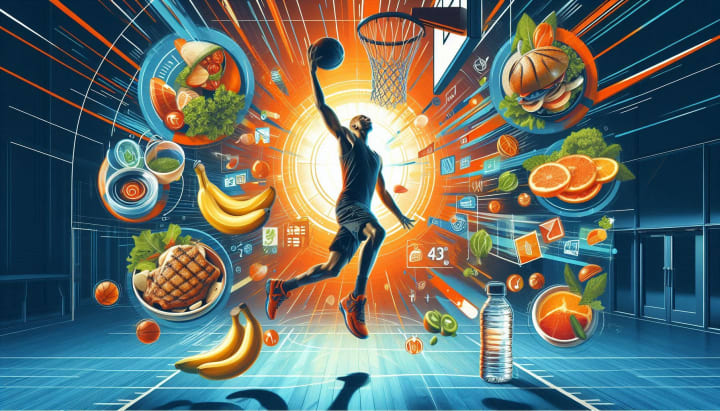
The Importance of Nutrition and Dietary Balance for Athletes
Proper nutrition can enhance an athlete's performance by 10-20%, positively affecting speed, agility, and overall endurance during games. A structured nutrition plan tailored to an athlete's specific needs can significantly improve performance metrics.
For instance, a study published in the Journal of the International Society of Sports Nutrition found that athletes who followed a diet consisting of 60% carbohydrates, 20% protein, and 20% fat experienced endurance time improvements of up to 15%. This highlights the importance of carbohydrate loading and nutrient timing strategies in optimizing performance.
Tools like MyFitnessPal can assist in tracking daily intake, while consulting with a sports nutritionist can ensure that the plan aligns with training regimens. By implementing these strategies, athletes can optimize their energy levels and facilitate quicker recovery after exercise.
Overview of Nutritional Needs for Basketball Players
Basketball players should aim for a balanced intake of macronutrients and micronutrients tailored to their training regimens, typically consuming between 3,000 and 5,000 calories per day, depending on the intensity of their workouts.
To optimize performance, they should focus on macronutrient ratios of approximately 55-70% carbohydrates, 15-20% protein, and 20-30% fats.
For instance, a point guard may prioritize speed and energy by consuming meals rich in carbohydrates, such as oatmeal and fruits. Conversely, a center may require more protein to build strength, incorporating lean meats and legumes into his diet.
Hydration is equally critical, with a recommended intake of at least 3-4 liters of water per day, especially during high-intensity training sessions. Additionally, beverages rich in electrolytes can facilitate quicker recovery and help maintain energy levels.
Macronutrients: The Building Blocks
Macronutrients are essential components of an athlete's diet, directly influencing energy availability and aiding recovery after competition. Effective fueling strategies can be achieved through careful meal planning and meal prep.
Carbohydrates: Fueling Performance
Carbohydrates should make up 55-65% of a basketball player's diet, serving as the primary energy source during high-intensity play. To meet these carbohydrate requirements, players should focus on nutrient-dense options such as whole grains, fruits, and vegetables.

For example, a meal plan could include:
Oatmeal topped with banana and honey for breakfast
A whole grain sandwich with turkey and spinach for lunch
Quinoa with mixed vegetables for dinner
Additionally, consuming energy gels or a banana 30-60 minutes before a game can enhance performance. Hydration is also crucial; consider pairing meals with electrolyte-rich fluids to support endurance during intense play.
Proteins: Repairing and Building Muscle with Lean Proteins
Basketball players should consume between 1.2 to 2.0 grams of protein per kilogram of body weight each day to ensure optimal muscle repair, depending on their training intensity. They can meet these protein requirements through a variety of high-quality sources.
For example, lean meats such as chicken and turkey provide approximately 25 grams of protein per 100 grams. Vegetarian athletes can opt for legumes like lentils or chickpeas, which offer around 9 grams of protein per 100 grams.
To optimize recovery, it is important to consume protein within 30 minutes after workouts; therefore, a protein shake or Greek yogurt is an excellent choice. These practical solutions not only help players meet their protein needs but also enhance their overall performance.
Fats: Essential for Energy and Recovery
Fats should make up 20-35% of an athlete's diet, as they provide essential fatty acids that contribute to energy and hormone production. For basketball players, incorporating healthy fats into their diet is crucial for recovery and sustained energy.
Examples of these healthy fats include:
Avocados: Rich in monounsaturated fats and potassium, avocados help regulate muscle function and are essential for recovery.
Nuts: Nuts, particularly almonds and walnuts, are excellent sources of omega-3 fatty acids, which aid in reducing inflammation following training and games.
Olive Oil: Including olive oil in dressings and cooking provides heart-healthy fats and enhances overall caloric intake without compromising health.
By regularly incorporating these foods into their diet, basketball players can improve their performance and support their long-term athletic careers.
Micronutrients: Vitamins and Minerals
Although macronutrients primarily fuel performance, micronutrients play a crucial role in the overall health, immune function, and injury prevention of basketball players. Vitamins and minerals like antioxidants and electrolytes can enhance recovery and mental focus.
Calcium and Vitamin D: Bone Health
Calcium and vitamin D are essential nutrients for basketball players, as they help maintain bone density and prevent injuries. The recommended daily intake is 1,000 mg of calcium and 600 IU of vitamin D.
Athletes can meet these daily requirements through food sources rich in these nutrients. Dairy products, such as milk and yogurt, are excellent sources of both calcium and vitamin D. For instance, an 8-ounce (240 ml) glass of milk contains approximately 300 mg of calcium.
Additionally, fatty fish like salmon are also beneficial; a 3-ounce (85 g) serving of salmon provides about 570 IU of vitamin D.
If food sources are unable to meet these requirements, supplementation can be a helpful option. Athletes should consult their healthcare provider to determine the appropriate dosage, which will enhance absorption and overall effectiveness.
Iron: Oxygen Transport
Iron is a crucial component of hemoglobin in red blood cells, making it essential for oxygen transport in the blood. It is recommended that athletes consume between 10 to 18 mg of iron daily, as adequate intake is vital for preventing excessive fatigue during strenuous activities.
Therefore, incorporating iron-rich foods into your diet is important to meet these daily requirements. Good dietary sources of iron include:
Red meat, which contains approximately 2.7 mg of iron per 3 ounces,
Spinach, which provides about 6.4 mg of iron per cooked cup.

For those following a plant-based diet, consuming beans alongside vitamin C-rich foods, such as bell peppers, can enhance iron absorption. Additionally, regular blood tests are essential for monitoring iron levels, especially for athletes, as they can help identify deficiencies before they impact performance.
Electrolytes: Maintaining Fluid Balance
Electrolytes, including sodium, potassium, and magnesium, play a crucial role in maintaining fluid balance and preventing muscle cramps, particularly during extended periods of physical activity.
To enhance performance, consume foods rich in electrolytes, such as:
Bananas for potassium
Spinach for magnesium
Salted nuts for sodium
Sports drinks like Gatorade or coconut water can also help replenish electrolytes lost through sweating.
Proper timing of your meals is essential: have snacks about an hour before playing, drink your chosen beverage during breaks, and ensure you replenish within 30 minutes after the game to aid in recovery.
Following these guidelines will maximize hydration and improve muscle function during prolonged physical activity.
Hydration Strategies
Proper hydration is essential for basketball players, as even a 2% loss in body weight due to dehydration can significantly impair performance.
Importance of Staying Hydrated
Staying hydrated is essential for enhancing endurance and cognitive function, making it crucial for basketball players during their training sessions and games. Research indicates that even a dehydration level of just 2% of body weight can negatively impact performance.
For instance, a study published in the Journal of Strength and Conditioning Research found that players who maintained proper hydration improved their shooting accuracy by as much as 20%.
To achieve optimal hydration, players should aim to drink approximately 16-20 ounces of water at least two hours before training or a game and continue to hydrate during breaks. Additionally, utilizing hydration tracking apps, such as Hydration Reminder, can assist players in meeting their fluid intake goals.
Signs of Dehydration
The most common signs of dehydration in athletes include increased thirst, dry mouth, and fatigue. Recognizing these early indicators can help prevent a decline in performance levels. Athletes should also be aware of other symptoms such as dark urine, dizziness, and muscle cramps.
Here are some effective ways to monitor hydration:
Check urine color: Regularly observe the color of your urine throughout the day, ensuring it remains within the pale yellow range. This is a good indicator of adequate hydration levels.
Pre- and post-workout weighing: Weigh yourself before and after workouts to assess how much water weight you have lost. For every pound lost, aim to drink 16-24 ounces of fluid to replenish your body.
Hydration apps: Consider using a hydration app, such as HydRATE, to help track your fluid intake.
By incorporating these methods and personalized nutrition strategies, athletes can maintain proper hydration levels and enhance their overall performance.
Best Practices for Hydration and Game Day Nutrition Before, During, and After Games
Athletes should consume 16 to 20 ounces of fluids 2 to 3 hours before games and continue to drink 7 to 10 ounces every 10 to 20 minutes during activity to maintain optimal hydration levels.
After exercising, athletes should aim to drink approximately 24 ounces of fluid for every pound lost during exercise. For light exercise sessions, water is the best option for rehydration, while electrolyte solutions like Gatorade or Nuun are more beneficial after strenuous workouts to replenish lost salts.
Coconut water offers a natural alternative that is rich in potassium. Additionally, the color of a person's urine can indicate their hydration status; light straw-colored urine suggests adequate hydration, whereas darker urine signals the need for increased fluid intake.
Pre-Game Nutrition
Pre-game nutrition is essential for optimizing energy levels, as appropriate meal timing and composition can significantly enhance performance on the court.
Ideal Pre-Game Meals
A balanced pre-game meal is characterized by being high in carbohydrates, moderate in protein, and low in fat. Ideal options include whole grain pasta with chicken and vegetables, consumed 3-4 hours before the game.
Other excellent choices are a quinoa salad with black beans and avocado or a sweet potato paired with grilled salmon. These balanced meals help sustain energy, as complex carbohydrates enhance performance while protein supports muscle recovery.
To further aid recovery after the game, consider a post-game snack like Greek yogurt with honey and mixed berries, which offers a beneficial ratio of protein to simple sugars.
Timing Your Meals for Optimal Performance
The timing of meal consumption is crucial for athletes. Eating a meal 3-4 hours before a game allows adequate time for digestion, while having a small snack 30-60 minutes prior can provide a quick energy boost.
For optimal athletic performance, nutrient timing is essential. For example, marathoners often consume a substantial meal rich in complex carbohydrates and lean proteins 3-4 hours before competing.
A meal consisting of grilled chicken, quinoa, and a mix of steamed vegetables exemplifies this approach, as it supplies essential energy stores. A quick snack, such as a banana or a handful of nuts, can offer almost immediate energy right before competition.
Hydration is also vital; consuming an electrolyte-rich beverage 30 minutes before competing can enhance endurance and reduce fatigue. Adjusting these practices based on individual energy levels and personal preferences can lead to improved performance.
Post-Game Recovery Nutrition
Post-game nutrition is essential for recovery, as it helps replenish glycogen stores and repair muscle tissue that has been damaged during gameplay.
Importance of Recovery Nutrition
Consuming the right nutrients within 30 to 60 minutes after a game can enhance recovery by 50%, significantly reducing muscle soreness. To optimize recovery, it is important to achieve a balanced intake of carbohydrates and protein, aiming for a 3:1 ratio of carbs to protein.
For instance, a recovery smoothie made with:
1 cup of yogurt
1 banana
1 scoop of protein powder
provides a total of 30 grams of protein and 60 grams of carbohydrates. Alternatively, a simple meal that includes grilled chicken, quinoa, and vegetables can also be beneficial.
It is essential to pair these foods with fluids to replenish electrolytes, which can be achieved through a sports drink or coconut water. Consistently following this approach will enhance performance in subsequent matches.
Best Foods for Post-Game Recovery
The most effective post-game recovery foods include protein shakes with carbohydrates, Greek yogurt with berries, and turkey sandwiches, all of which aid in muscle repair and support digestive health.
An ideal post-game recovery meal should consist of a combination of protein and carbohydrates in a 1-to-3 ratio. For instance, a protein shake made with whey protein, a banana, and almond milk typically contains about 25 grams of protein and 30 grams of carbohydrates.
Yogurt with mixed berries is another excellent option, as it offers the added benefit of probiotics that support gut health. Additionally, a turkey sandwich on whole grain bread serves as a great choice, providing lean protein alongside a fiber-rich carbohydrate source, which facilitates muscle repair and glycogen replenishment. Including nutrient-dense foods like these in your athlete diet can enhance performance.
Meal Planning and Preparation
Strategic meal planning can significantly streamline an athlete's nutritional intake, making it easier for them to fulfill their dietary requirements.
Creating a Balanced Meal Plan
A basketball meal plan should include a balanced variety of food groups to ensure adequate intake of macronutrients and micronutrients. To create an effective meal plan, one must first calculate daily caloric requirements based on training intensity.
For instance, a basketball player with a caloric need of 3,000 calories might structure their meals as follows:
Breakfast: Oatmeal with fruit and eggs
Lunch: Grilled chicken with quinoa and mixed vegetables
Dinner: Salmon with sweet potatoes and green beans
Snacks: Greek yogurt or a protein shake
Snacks are essential in a basketball meal plan for maintaining energy levels. Additionally, having a meal plan template can be beneficial for making adjustments to meals before and after practice or games, ensuring optimal recovery and support for performance.
Quick and Healthy Snack Ideas and Performance-Enhancing Foods
Quick and nutritious snacks, such as trail mix, protein bars, and fruit smoothies, provide athletes with energy without requiring excessive preparation. Here are some simple and healthy snack options for athletes:
Yogurt with honey (150 calories, 15g protein) aids in muscle recovery.
Whole-grain crackers with almond butter (200 calories, 6g protein) provide sustained energy.
Veggie sticks with hummus (100 calories, 4g protein) offer a refreshing crunch.
Pre-packaged snacks like protein bars (200 to 300 calories) are convenient for busy athletes, although they should be low in added sugars. These snacks not only supply energy for physical activities but also deliver essential nutrients to support athletic performance.
Frequently Asked Questions
What are some key nutrition tips and athlete diet strategies for peak basketball performance?
For peak basketball performance, it is important to fuel your body with a balance of carbohydrates, protein, and healthy fats. Hydration is also crucial for optimal performance.
How much should I eat before a basketball game to maintain energy?
It is recommended to eat a balanced meal with a mix of complex carbohydrates, lean protein, and healthy fats 2-3 hours before a game. This will provide sustained energy throughout the game.
What are some healthy snack options to have during a basketball game?
Fruit, protein bars, and nuts are all great options to have as a quick and easy snack during a basketball game. These snacks provide sustained energy and essential nutrients for optimal performance.
Is it important to refuel after a basketball game?
Yes, it is crucial to refuel your body after a basketball game to replenish lost energy and nutrients. Make sure to have a balanced meal with a mix of carbohydrates, protein, and healthy fats within 1-2 hours after the game.
How can proper hydration affect my basketball performance?
Staying hydrated is essential for peak basketball performance. Dehydration can lead to fatigue, decreased focus, and increased risk of injury. Make sure to drink water consistently throughout the day and during games or practices.
Are there any foods I should avoid for optimal basketball performance?
Avoid foods high in saturated fats, added sugars, and processed foods. These can lead to inflammation, fatigue, and decreased energy levels, which can affect your basketball performance.
About the Creator
Hooper Fiko
With my professional advice on basketball workouts and online training, you can reach your greatest potential. Get expert advice, customized workouts, and inspiring material to improve your performance. Come along and change your abilities!
Keep reading
More stories from Hooper Fiko and writers in Unbalanced and other communities.
Top 10 Defensive Drills for Aspiring Basketball Players
In basketball, defense can make or break a game. I've seen countless aspiring players focus solely on their shooting, only to be left vulnerable when the game shifts to the other end of the court. Mastering defensive skills and defensive fundamentals is essential, not just to stop opponents, but to elevate your entire game. Join me as I explore the top 10 defensive drills that will sharpen your skills, enhance your agility drills, and make you an invaluable asset on the court. Let's dive in!
By Hooper Fiko6 months ago in Unbalanced
Super Bowl LX Recap: A Team Called Hawks
Sixty. The Super Bowl turned 60! Still amazes me that this was the sixtieth Super Bowl played in NFL history. It seems like yesterday that I watched Super Bowl XXVII, the first SB I ever watched. The QB who won Super Bowl XXVII has since called a few SBs, and will call next year's game, but that's another story. Super Bowl LX took place at Levi's Stadium in Santa Clara, California, the home stadium of the San Francisco 49ers. However, it was one of their division foes who represented the NFC, as the Seattle Seahawks faced off against the New England Patriots.
By Clyde E. Dawkins24 days ago in Unbalanced
Stanley Cup Playoff Push 2026: Charge!!!
It's here, folks! The month of March is here! You know the drill when it comes to the month of March. It's one of the most insane months of the year in sports. Baseball starts at the end of the month, as does the United Football League. College basketball takes over with conference tournaments, followed by the big dance, and in the NHL and NBA, it's the last full month of the regular season. In both leagues, March plays the same role as September in MLB and December in the NFL: it's the beginning of the end.
By Clyde E. Dawkins4 days ago in Unbalanced




Comments
There are no comments for this story
Be the first to respond and start the conversation.