
LANCE ARMSTRONG'S LEGACY AND THE OLYMPIC CONNECTION
Examining the Impact of Doping Scandal on Armstrong's Olympic Legacy.

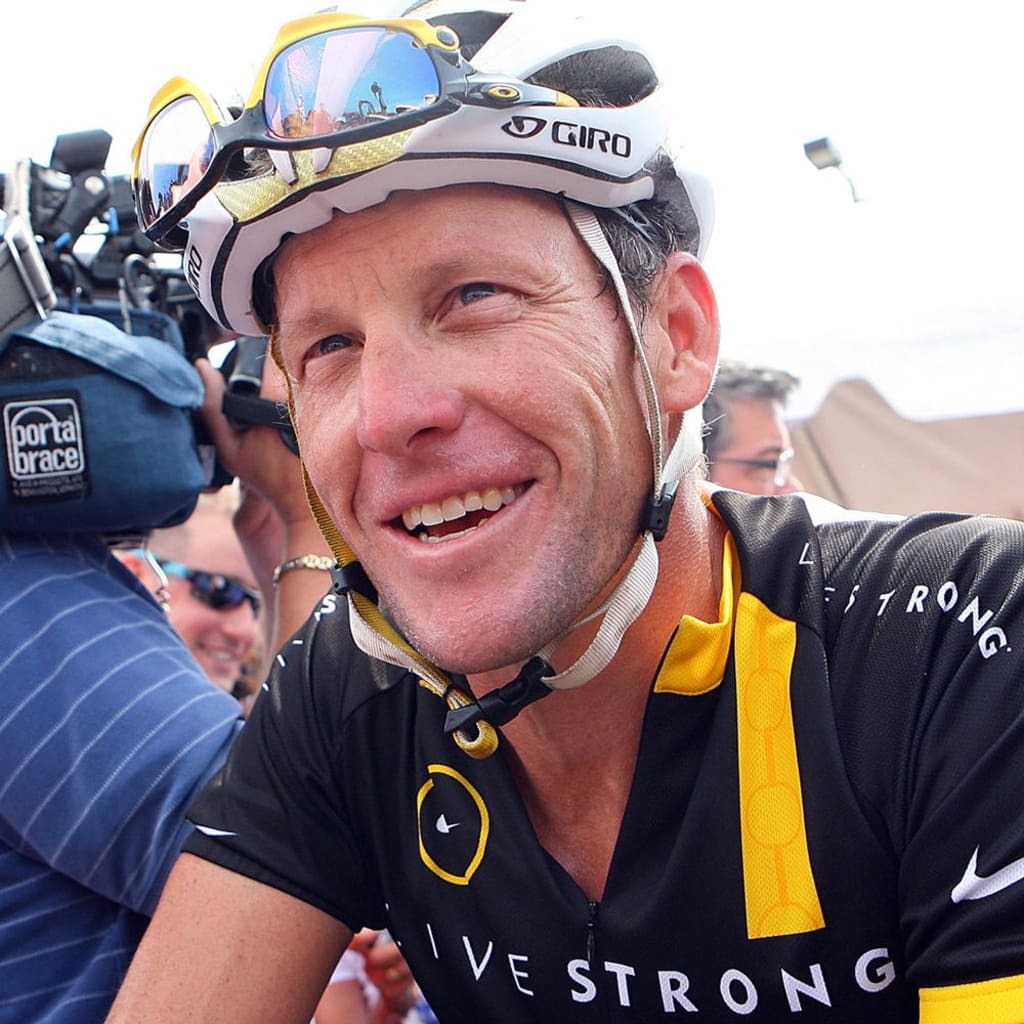
Lance Armstrong’s name is synonymous with both the pinnacle of cycling success and one of the most infamous doping scandals in sports history. While his career brought immense achievements, his legacy has been marred by controversy, particularly after his admission to using performance-enhancing drugs (PEDs). However, beyond the scandal, Armstrong’s connection to the Olympic Games, both in terms of his athleticism and the impact on cycling as a sport, remains significant.
(I)The Rise of Lance Armstrong
Lance Armstrong’s rise to fame began with an incredible triumph over cancer. Diagnosed with advanced testicular cancer in 1996, Armstrong’s survival and subsequent return to competitive cycling made him a symbol of resilience and inspiration. In the late 1990s, Armstrong quickly established himself as one of the best cyclists in the world, winning the Tour de France seven consecutive times from 1999 to 2005. His dominance in the sport and his inspirational comeback story endeared him to millions, turning him into a global icon.
His victory streak in the Tour de France made him a household name. Armstrong's athletic feats were coupled with his LiveStrong foundation, which raised millions for cancer research and provided support for those fighting cancer. At the time, Armstrong was seen as a beacon of hope, and his story resonated far beyond the cycling world.
(II)The Doping Scandal and Fall from Grace
However, Armstrong’s accomplishments came into question when allegations of doping first emerged. Despite repeated denials, reports continued to surface about Armstrong’s use of PEDs. In 2012, after years of investigation by the United States Anti-Doping Agency (USADA), Armstrong was stripped of his seven Tour de France titles, and he was banned for life from professional cycling. In a 2013 interview with Oprah Winfrey, Armstrong admitted to using performance-enhancing drugs during his career, including EPO (erythropoietin), blood transfusions, and testosterone. This confession ended a long period of denial and tarnished his legacy as one of the greatest cyclists in history.
The revelation had a profound effect on the sport of cycling, casting doubt on the achievements of many athletes from that era. Armstrong's fall from grace was not just about the personal betrayal of fans and sponsors but also a broader reflection on the systemic issue of doping in professional sports.
(III)Olympic Connection: Armstrong and the Games
While Armstrong’s most famous victories occurred in the Tour de France, his Olympic journey is an integral part of his legacy. Armstrong competed in the 2000 Sydney Olympics, where he represented the United States in the Men’s Road Race. Although Armstrong did not win a medal in the Olympics—finishing 23rd in the road race—his participation marked the connection between Armstrong’s success and the global sports stage, including the Olympics.
For Armstrong, the Olympics were an opportunity to showcase his talent on a broader, more diverse platform. The Games are considered the ultimate stage for athletes, and Armstrong’s brief appearance in the Olympics highlighted the global recognition of his cycling prowess. However, the failure to medal was a significant contrast to his dominance in the Tour de France, and his Olympic appearance would eventually be overshadowed by his doping scandal years later.
Although Armstrong's direct Olympic career did not yield medals, his admission of doping cast a shadow over the cycling event in the Games. Following the scandal, there were calls to reevaluate the achievements of cyclists in Olympic history, especially considering how widespread doping had become in the sport. Armstrong's own story mirrored the greater issue that cycling faced at the time—the issue of clean competition in a sport struggling with PED abuse. The fallout from the scandal left the Olympic community grappling with similar concerns over the credibility of certain athletes’ performances.
(IV)Impact on the Olympic Movement and Anti-Doping Policies
Armstrong’s doping confession also had a ripple effect on the Olympic movement. His case intensified the conversation surrounding doping in professional sports, including the Olympics. While cycling had long struggled with PED use, Armstrong’s downfall encouraged a wider crackdown on doping in many sports. The International Olympic Committee (IOC) strengthened its anti-doping policies and placed increased emphasis on testing and transparency in competitions.
The World Anti-Doping Agency (WADA), which has overseen testing and enforcement of clean sport, saw increased attention and resources following Armstrong’s admission. The scandal highlighted how systemic doping problems in sports like cycling were not isolated incidents but indicative of a larger, industry-wide issue.
Despite the negative attention, Armstrong’s case served as a catalyst for reform within the sport and a reminder of the lengths to which athletes would go to gain an edge. His story ultimately influenced the way the IOC and international sporting bodies approached anti-doping efforts in the years that followed.
(V)The Legacy of Lance Armstrong
In the aftermath of his fall, Armstrong’s legacy remains complex. To some, he is a symbol of triumph over adversity, as his comeback from cancer remains one of the most powerful stories in sports. To others, he is a cautionary tale of the dangers of cheating, dishonesty, and the pressures of fame.
Armstrong’s Olympic connection, though brief, is a reflection of his larger impact on the global stage, especially within cycling. The doping scandal that tarnished his career forced the sports world to confront the pervasive issue of performance-enhancing drugs and led to changes in how anti-doping efforts are implemented today.
While Armstrong’s achievements may never be fully exonerated, his story continues to resonate, serving as both a testament to human resilience and a reminder of the importance of integrity in sports.
About the Creator
Badhan Sen
Myself Badhan, I am a professional writer.I like to share some stories with my friends.
Keep reading
More stories from Badhan Sen and writers in Unbalanced and other communities.
THE RISE OF WOMEN'S VOLLEYBALL IN THE OLYMPICS
The Rise of Women's Volleyball in the Olympics Women’s volleyball has become a cornerstone of the Summer Olympics, showcasing athleticism, teamwork, and global competitiveness. From its introduction to its evolution as a fan-favorite event, the sport's journey highlights progress in women's sports and its growing influence worldwide.
By Badhan Senabout a year ago in Unbalanced
Wild Card Weekend Recap: What Happens Now?
I think I figured out why I love Wild Card Weekend so much. It's because it's the first playoff anything of the calendar year. The NFL season starts in the fall, and once upon a time, the champion was crowned either on or slightly before New Year's. The evolution of the NFL schedule has resulted in the playoffs starting just into the New Year, and currently, the final week of the season falls on the first weekend of the New Year, with Wild Card Weekend coming a week after that. So yes, chronologically, the NFL's Wild Card Weekend serves as the first playoff anything of the calendar year.
By Clyde E. Dawkins5 days ago in Unbalanced
Rolland Courbis: A Defining Voice in French Football Management
Rolland Courbis is a name that evokes strong reactions in French football. To some, he is a sharp tactician and fearless leader; to others, a controversial figure whose career has been marked by both success and turbulence. Regardless of opinion, Courbis remains one of the most influential and recognizable personalities in France’s football landscape, known for his managerial stints, media presence, and uncompromising honesty.
By Asad Ali5 days ago in Unbalanced
How to Succeed at the Benson Directory®
Congratulations and welcome to the Benson Directory® employee #22391! As our newest call handler, you will have the privilege of speaking with dozens of unique and interesting people on a daily basis as well as the opportunity to earn bonuses for high performance. Contained within this handbook you will find a set of ease to follow instructions designed to help you settle in to your new role and begin paving the way to success.
By S. A. Crawforda day ago in Fiction




Comments (1)
Good article on a man who has done good work for his foundation and has made it harder for others to cheat in competitions.