
FIFA World Cup 2026 Draw: A Historic Moment That Will Redefine Global Football
How the 48-team expansion, new group format, and three-nation hosting will reshape rivalries, travel, and fan expectations in North America

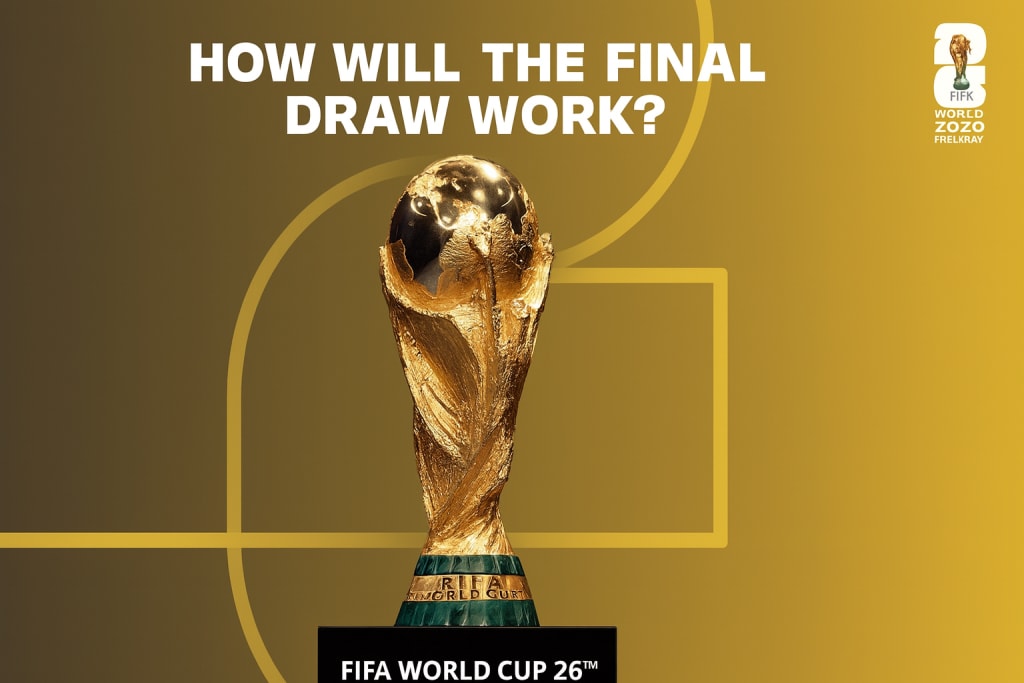
The FIFA World Cup 2026 isn’t just another tournament on the calendar—it is the most dramatic transformation the sport has seen in nearly a century. And while fans around the world are eager to see who their nation will face, the real story is what this expanded World Cup means for football’s future, especially as the United States, Canada, and Mexico join forces as co-hosts.
A Tournament Built for a New Generation of Fans
For the first time in history, the World Cup expands to 48 teams. That change alone has shifted the energy surrounding the draw, turning it into one of the most anticipated steps on the road to 2026. Instead of the familiar eight groups we’ve seen for decades, the tournament will now feature 12 groups of four, opening the door for more nations to participate, dream, and compete on the world’s biggest stage.
This expansion introduces new possibilities—underdogs with a stronger chance of reaching the knockout round, emerging football nations getting global attention, and fans discovering new rivalries before the first whistle even blows. For many countries, simply qualifying was once a near-impossible task; now, the World Cup feels closer, more inclusive, and more global than ever.
Why the Draw Matters More Than Ever
The draw for the 2026 World Cup is more than a formality—it’s the moment when the entire landscape of the tournament begins to take shape. Group placement will influence every storyline: possible “Groups of Death,” renewed rivalries, and matchups that spark instant worldwide debate.
Fans will be looking closely at the seeding structure, which must now balance six football confederations while maintaining geographic diversity. With more teams and more groups, the draw plays a bigger role than ever in shaping competitive balance and determining the trajectory of the tournament.
The Unique Geography of a Three-Nation World Cup
Unlike previous World Cups, this edition requires organizers to balance not only competition but also the massive geography of North America. Stadiums spread across the United States, Canada, and Mexico mean teams could be placed in groups that minimize travel—or face demanding journeys across long distances.
This adds a layer of strategy beyond the pitch. Coaches will factor in flight times, climate differences, and recovery windows. Fans planning to follow their teams will immediately check which host cities their group plays in, knowing travel planning begins the moment the groups are announced. The 2026 World Cup will be as much a logistical experience as a sporting one.
What the Draw Means for Supporters
Every draw creates instant conversation, but 2026 brings a fresh sense of possibility. Supporters will be quick to analyze matchups, debate favorites, and identify the sleeper teams capable of shaking the tournament. The expanded format increases the likelihood of stunning upsets and unpredictable paths to the knockout stages.
For U.S. fans especially, this World Cup represents a new era. With games hosted across America and the national team entering with growing confidence, group placement will drive early expectations for how far the squad can go on home soil.
The Countdown Begins
Once the draw is finalized, the excitement turns into preparation. Teams scout opponents, federations finalize training bases, and fans begin mapping out travel across North America. The World Cup is more than a month of matches—it is a two-year global build-up, and the draw is the spark that ignites it.
The FIFA World Cup 2026 is not just expanding—it’s evolving. And the draw marks the official beginning of a World Cup that will reshape the sport, the fan experience, and the future of football for the next generation.
About the Creator
Waqar Khan
Passionate storyteller sharing life, travel & culture. Building smiles, insights, and real connections—one story at a time. 🌍
Every read means the world—thanks for your support! 💬🖋️
Keep reading
More stories from Waqar Khan and writers in Unbalanced and other communities.
Red Over White: The Unwritten Rule of North London
The North London Derby: A Clash of Faith and Fury Forget just a football match. When Arsenal meets Tottenham, the city holds its breath. This is the North London derby, a fixture forged in history, fueled by geography, and played with a unique, unbridled passion. It’s a battle for bragging rights, for supremacy, and for the very soul of the capital. For 90 minutes, the red half of North London screams for Arsenal F.C., while the white half defiantly backs Tottenham Hotspur F.C. The atmosphere is electric, the tension is palpable, and the stakes are always, without exception, sky-high. This isn't just another game on the calendar; it's a defining event in the lives of millions.
By Waqar Khan4 months ago in Unbalanced
NBA Playoff Push 2026: On the Rise
As I stated before in my last recap, until last week, I hardly write about the NBA. While I do talk about the NHL, NFL, and MLB quite a bit, the only time I mention the NBA is in game-by-game recaps of the Finals. It did change last week, and while I did state why I hadn't really written about the NBA on Vocal, but I still haven't said why my fandom has increased.
By Clyde E. Dawkins7 days ago in Unbalanced
Wednesday Needs to Get Here
The Colorado Avalanche are coming off a big road win in Seattle, which came hours after the unjust penalties against Nathan MacKinnon were rescinded. Speaking of MacKinnon, he's within striking distance of the points lead--just a pair behind Connor McDavid. So that's the first leg of the two-game trip in the books. Next up: Winnipeg. These are not the same Jets, and this shocks me. This team won the Presidents' Trophy last season, but as my mom often says, they "went from sugar to shit" this season.
By Clyde E. Dawkinsa day ago in Unbalanced
Top tipple tricks
Been thinking a lot about drinking, lately. Not least because of a recent episode of over-indulgence and the inevitable after effects. Some readers may recall the earlier articles I wrote about beating the booze. Here I set out an experiment in techniques for cutting down on my alcohol intake. The experiment was successful, the techniques worked, and I have armed myself with an arsenal of weapons in the war against the demon drink. I have yet to fire the first round however. It's all a question of timing (perhaps procrastination).
By Raymond G. Taylor7 days ago in Psyche



Comments
There are no comments for this story
Be the first to respond and start the conversation.