
Defensive Mastery: Tips and Drills to Become a Lockdown Basketball Defender
Unlock Defensive Potential with Proven Techniques & Essential Drills for Dominating the Court


Defensive mastery is essential for a successful basketball team, turning individual players into effective lockdown defenders. This discussion examines the significance of defensive skills, emphasizing their role in preventing scoring opportunities, improving team performance, and increasing playing time.
It also explores the traits that distinguish a top defender and provides practical drills to enhance these skills. Learn tips to improve your defensive game and understand how to apply these techniques successfully in real-game situations. Prepare to strengthen your defensive abilities.
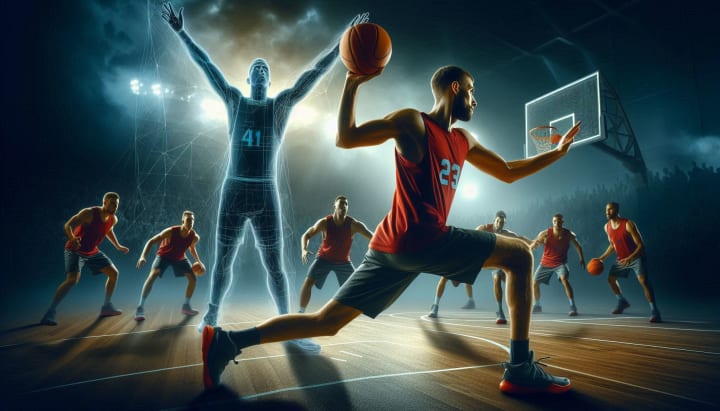
What Is Defensive Mastery?
Defensive mastery in basketball refers to the ability to perform effectively in defensive play, demonstrating a blend of defensive fundamentals, drills, and a comprehensive understanding of individual defense. This involves various skills, including footwork techniques, defensive positioning, and the ability to anticipate offensive moves and respond appropriately.
A strong lockdown defender is capable of adjusting their strategies based on matchups, utilizing their defensive intelligence and situational awareness to execute important plays on the court. Mastering these components is essential for enhancing a player’s overall performance and plays a significant role in the success of the team.
Why Is Defensive Mastery Important?
Defensive mastery is essential in basketball, as it not only prevents scoring opportunities for opponents but also improves overall team defense dynamics. A player with strong defensive skills contributes to a cohesive unit, facilitating better defensive rotations and effective help defense strategies.
Additionally, excelling in individual defense can significantly increase a player's playing time and make them valuable in critical situations. By mastering defensive fundamentals and demonstrating commitment and intensity, players can build trust with their teammates and enhance the team's overall performance on the court.
1. Prevents Scoring Opportunities
One of the primary objectives of defensive mastery is to prevent scoring opportunities for the opposing team, which is essential for a successful game strategy. By employing effective defensive techniques, a lockdown defender can disrupt offensive plays, utilizing methods like ball denial and pressure defense to force turnovers. This approach not only limits the opponent's chances to score but also enhances the team's overall defensive performance, significantly impacting the game's outcome. Strong individual defense results in fewer scoring chances and fosters trust within the team.
Incorporating tactical schemes such as zone defense can effectively cover multiple offensive players and create confusion, thereby minimizing open shot opportunities. For example, switching to a 2-3 zone can restrict penetration into the paint while ensuring perimeter shooters are marked. Another key strategy involves anticipating passing lanes, which allows defenders to jump routes and intercept passes, as seen in high-stakes matches where quick hands made a difference.
By mastering communication and teamwork, defenders can position themselves to stay ahead, making it more challenging for opponents to find quality shots.
2. Improves Team Defense
Mastering individual defensive skills is essential for improving team defense, as it encourages better coordination among players. When each player understands their defensive assignments and communicates effectively, it results in smoother defensive rotations and improved overall performance.
A cohesive team defense can adapt to various offensive strategies, whether man-to-man or zone defense, maximizing the effectiveness of each player’s defensive approach. This collective improvement leads to a stronger defensive unit capable of neutralizing even the most skilled opposing offenses.
When individuals focus on their defensive responsibilities, they significantly contribute to a shared understanding of the game plan, allowing teammates to anticipate movements. This synchronized effort not only strengthens their ability to close gaps but also builds trust among players, which is vital in high-pressure situations.
Effective communication, whether verbal or non-verbal, serves as the foundation of successful defensive strategies. The ability to adjust defensive rotations in real-time enables the team to respond dynamically to opponents' tactics, creating a resilient and adaptable defensive presence on the court.
3. Increases Playing Time
Demonstrating strong defensive fundamentals can significantly increase a player's playing time in competitive basketball settings.
When players prioritize developing their defensive skills, they not only enhance their team's overall performance but also attract the attention of coaches who value effective defenders. A solid understanding of positioning, anticipation, and communication enables players to excel in critical moments, allowing them to disrupt opponents' plays.

Focusing on these aspects of skill development not only highlights a player's value on the roster but also aligns with coaches' preferences for resilient and adaptable athletes. Being recognized as a defensive specialist can position a player for consistent playing time, building a reputation that leads to greater trust and increased responsibilities on the court.
What Are the Characteristics of a Lockdown Defender?
A lockdown defender has a distinct set of characteristics that differentiate them on the basketball court, such as quick feet, strong upper body strength, and excellent anticipation skills. These traits enable them to perform well in individual defense and maintain superior positioning during critical moments of the game.
A high basketball IQ is important, as it allows the defender to read the offense accurately, recognize player tendencies, and adjust their strategies based on different matchups. This blend of physical and mental attributes is essential for a successful lockdown defender and enhances their effectiveness in pressure defense.
1. Quick Feet
Quick feet are an essential trait of a lockdown defender, allowing them to maintain defensive positioning and respond quickly to offensive movements. This agility is often developed through specific drills and foot speed exercises aimed at enhancing lateral movement and overall body control.
Players with quick feet can effectively close out on shooters, contesting shots accurately while reducing scoring opportunities for opponents. Their ability to move swiftly and maintain balance is fundamental to their success in individual defense and overall defensive performance.
These attributes enable defenders to keep pace with agile offensive players and help them anticipate plays, making interceptions more likely. Incorporating drills such as ladder sprints, cone drills, and shuttle runs into their training regimen can significantly improve a player’s agility, thereby enhancing their defensive capabilities.
As a result, defenders can quickly adapt to dynamic game situations, demonstrating reflexes that can challenge even the most skilled players. Therefore, cultivating quick feet through targeted training is vital for anyone aiming to excel on the defensive end.
2. Strong Upper Body
A strong upper body is important for a lockdown defender, as it provides the necessary strength and body control to contest shots and maintain defensive pressure. This physical advantage enables defenders to effectively use screening defense techniques and apply pressure during on-ball defense situations.
A robust upper body assists in fighting through screens, enhancing the defender's ability to recover and adapt during gameplay. By leveraging upper body strength, a defender can assert themselves against offensive players and disrupt scoring opportunities.
This capability not only helps in preventing drives to the basket but also plays a crucial role in establishing effective positioning. With increased upper body strength, a defender can create a solid barrier, making it difficult for their opponent to maneuver around them.
This comprehensive approach to defensive play involves using arms and shoulders to engage effectively without fouling, allowing defenders to maintain balance and control while challenging shots. Such physical prowess enhances the ability to execute quick lateral movements and remain connected with their marked player, ultimately fostering a stronger defense that intensifies pressure on the offense throughout the game.

3. Good Anticipation Skills
Good anticipation skills are essential for a lockdown defender, as they enable the player to read the offense and predict potential scoring plays. This ability to anticipate movements and recognize plays in advance can result in successful steals and effective help defense, ultimately disrupting the offensive flow.
By developing techniques that enhance awareness of offensive patterns, defenders can better understand the intentions of opposing players. Observing key indicators, such as body language and ball movement, allows defenders to react quickly and make split-second decisions that can impact the outcome of the game.
This awareness not only helps neutralize individual threats but also strengthens team strategy, facilitating better communication and support among defenders. Therefore, by incorporating anticipation into their skill set, players can significantly improve their defensive capabilities, leading to more opportunities to regain possession and prevent scoring attempts.
4. High Basketball IQ
A high basketball IQ is essential for a lockdown defender, as it involves situational awareness and strong defensive analysis. Players with a high basketball IQ can adapt quickly to various offensive setups, recognize player tendencies, and make informed decisions regarding defensive assignments.
This intellectual aspect of the game is important for effective communication and teamwork, enabling defenders to execute complex defensive rotations and strategies smoothly. Ultimately, a high basketball IQ leads to smarter defensive plays, benefiting both individual and team performance.
Such players have a natural ability to read the game as it develops, anticipating the opposing offense's next move with precision. Understanding the nuances of spacing and timing allows them to disrupt plays effectively, creating chances for fast breaks and turnovers.
Their solid grasp of defensive principles helps foster a cohesive unit, where each member is aligned with the collective strategy. This synergy enhances a team’s overall defense and builds confidence, making every player more effective in high-pressure situations.
What Are Some Defensive Drills to Improve Your Skills?
To develop defensive mastery, engaging in targeted defensive drills is essential for enhancing skills and improving overall basketball performance. These drills encompass a variety of skills, including footwork techniques, on-ball defense, and help defense, all of which are important for increasing a player's defensive IQ and situational awareness.
Including both conditioning and strength training within these drills not only boosts physical capabilities but also builds mental toughness, enabling players to perform well in high-pressure game situations. A range of practice routines that focus on different aspects of defense can significantly elevate a player's performance on the court.
1. 1-on-1 Defensive Drill
The 1-on-1 defensive drill aims to enhance individual defense by allowing players to practice footwork techniques and on-ball defense against a single opponent. This drill simulates game-like situations where defenders must maintain their stance, demonstrating lateral movement and body control while anticipating the offensive player's actions.
By emphasizing closeout techniques and reaction time, players can refine their defensive skills to better contest shots and deny ball access. This practice is important for developing a strong foundation in defensive play and overall basketball performance.
Through repeated engagement, athletes build confidence and develop awareness of their surroundings, ensuring they are prepared for various offensive strategies. The structured environment of the drill provides immediate feedback, which helps accelerate learning and identify areas for improvement.
Players gain valuable experience in reading opponents' movements and making quick decisions that can be crucial in high-pressure game situations. Ultimately, this focused approach to defensive fundamentals plays a significant role in shaping well-rounded players who can adapt to the dynamic challenges of competitive basketball.
2. Closeout Drill
The closeout drill is designed to enhance a player's ability to contest shots effectively, focusing on proper defensive positioning and quick footwork. In this drill, defenders practice closing out on shooters while maintaining balance and body control, which are important for executing inline defense and preventing easy scoring opportunities.
Players learn to assess the offensive player’s shooting hand awareness, enabling them to react appropriately and apply pressure in a timely manner. Mastering this drill is important for any defender looking to improve their defensive skills.
This exercise sharpens a player's individual abilities while also promoting teamwork, as communication is essential during defensive transitions. Each session emphasizes the importance of anticipation and decision-making, preparing athletes to adapt to the fast-paced nature of actual game situations.
As defenders simulate various offensive plays, they develop an instinctual understanding of when to close out aggressively or to contain, significantly influencing the overall defensive strategy. Ultimately, by mastering the closeout drill, players gain confidence and agility, both of which are key traits for excelling in defensive play.
3. Shell Drill
The shell drill is a fundamental exercise aimed at improving defensive teamwork and communication among players. In this drill, players collaborate to establish effective help defense and defensive rotations, enhancing their understanding of positioning and body control in various game scenarios.
This collaborative approach allows players to refine their skills in reading the game and responding quickly to offensive movements. As defenders participate in the shell drill, they build trust and synergy within the team, which are essential for successful defensive execution.
Effective communication is a key aspect of the drill, encouraging players to verbalize their intentions and coordinate actions smoothly. By regularly incorporating this drill into their training, teams can enhance individual skills while also forming a strong defensive unit capable of adapting to different play styles and unexpected situations.
Ultimately, the shell drill serves as a foundational exercise for developing a cohesive defense that can withstand challenges on the court.
4. Defensive Footwork Drill
The defensive footwork drill is important for mastering lateral movement and enhancing body control, both of which are essential for effective defensive play.
By incorporating a variety of movements, this drill helps build core stability and encourages quick decision-making under pressure. Players can refine their foot positioning and learn to anticipate an opponent's movements, which is crucial for maintaining defensive pressure. The ability to shift weight efficiently while keeping a low center of gravity improves responsiveness during dynamic gameplay.
Regular engagement in this drill allows players to strengthen their defensive skills, making them valuable contributors to their teams as they work towards both personal and collective success on the court.
What Are Some Tips for Becoming a Lockdown Defender?
Becoming a lockdown defender involves a combination of skill development, commitment to defense, and mental toughness, among other factors. Players should focus on refining their defensive fundamentals, such as footwork techniques and defensive positioning, while also embracing the competitive spirit needed to perform well under pressure.
Consistent practice routines and participation in defensive drills can help cultivate a strong defensive mindset, enabling players to trust their teammates and contribute effectively to team defense. By emphasizing these elements, aspiring defenders can enhance their performance and become valuable players on the court.
1. Focus on Your Footwork
Consistently focusing on footwork is one of the essential tips for becoming an effective lockdown defender, as it serves as the foundation for strong defensive play. Engaging in agility drills and exercises designed to enhance quick feet can significantly improve a player's mobility and ability to maintain a solid defensive stance.
Various drills, such as ladder exercises and cone drills, can be tailored to build lateral movement and quick pivots. Emphasizing positioning during these drills allows defenders to better read their opponents, anticipating their moves and reacting with precision.
Additionally, practicing defensive slides and backpedaling techniques not only improves agility but also reinforces balance, which is crucial when defending against faster players. Ultimately, a commitment to perfecting footwork leads to a more formidable presence on the court, significantly enhancing a player's overall effectiveness in defense.
2. Watch Film of Elite Defenders
Analyzing game film of elite defenders is a valuable practice tip that offers insights into effective defensive strategies and techniques. By observing the movements, decision-making, and defensive rotations of top players, aspiring defenders can gain a better understanding of situational awareness and defensive positioning.
This analysis helps in recognizing player tendencies and allows defenders to adjust their own assignments accordingly. Consistent film study can elevate a defender's defensive IQ and improve overall effectiveness on the court.
Watching film enables players to identify specific defensive schemes, such as man-to-man or zone defenses, and understand how these strategies are executed under pressure. By examining the footwork, hand positioning, and body angles of elite defenders, one can learn about closing down space and anticipating opponents' moves.
Additionally, effective communication with teammates is a crucial aspect observed in top defenders during gameplay. This understanding of intricate techniques enables defenders to refine their skills and enhances their adaptability on the court, ultimately making them more formidable opponents.
3. Stay Committed to Defense
Maintaining a strong commitment to defense is essential for aspiring lockdown defenders, as it fosters a necessary defensive mindset and perseverance in challenging situations.
Players should develop a belief that their defensive actions can influence the outcome of a game, turning every contested dribble and shot into an opportunity to excel. This proactive approach involves extensive practice and repetition, allowing them to respond instinctively to opponents' moves.
An effective defensive mindset relies on teamwork; communication and trust among teammates enhance individual contributions, resulting in a cohesive unit that can adjust to different offensive strategies. By adopting this comprehensive view of defense, players not only improve their individual skills but also strengthen the overall team dynamic.
4. Develop Mental Toughness
Developing mental toughness is an essential aspect of becoming a lockdown defender, enabling players to perform well under pressure and maintain focus during challenging game situations. This quality helps defenders remain composed during high-stakes moments, allowing them to effectively execute their defensive strategies, whether through help defense, contesting shots, or applying pressure defense. By cultivating mental toughness, players can improve their overall defensive effectiveness and become dependable contributors to their team’s success.
Consistent practice and exposure to competitive scenarios can assist in building this important quality.
This resilience is crucial not only in physical competition but also in mental challenges during critical plays. As fatigue and stakes increase, it is the players with strong mental fortitude who can meet the challenge. Techniques such as visualization and breathing exercises can be valuable tools for strengthening one's mindset.
By incorporating these practices into their training routines, defenders can enhance their focus, enabling them to make tactical decisions with clarity and confidence. Ultimately, developing this psychological edge complements defensive skills, allowing athletes to effectively fend off opponents and contribute positively to their team dynamics.
How Can You Apply Defensive Mastery in Game Situations?
Applying defensive mastery in game situations is essential for achieving success on the basketball court, as it enables players to effectively use their defensive skills in real-time. This requires anticipating opponents' moves and communicating with teammates to execute complex defensive strategies.
Understanding spacing concepts and maintaining situational awareness are also important for adapting to the game's flow, allowing players to make quick decisions that can impact critical moments. Mastering these elements of defensive play can greatly enhance a player's contribution to their team's overall performance.
1. Anticipate Your Opponent's Moves
Anticipating an opponent's moves is an important skill that can significantly improve defensive performance in basketball. By developing defensive analysis skills and learning to read the offense, players can foresee plays and react quickly, positioning themselves effectively to contest shots or provide help defense.
This skill set involves studying patterns, recognizing cues, and understanding tendencies, which enables defenders to predict when and where an offensive player is likely to make a move. As defenders improve their ability to read not only the ball but also the body language of their opponents, they gain an advantage that can change the defensive dynamics during a game.
Effective anticipation leads to greater awareness, allowing players to make smarter decisions under pressure. This strategy not only increases the chances of successfully disrupting plays but also enhances overall team defense, highlighting the importance of developing this essential capability.
2. Communicate with Your Teammates
Effective communication among teammates is crucial for successful defensive execution during game situations. A coordinated defensive unit depends on clear communication to navigate defensive rotations, implement strategies, and maintain awareness of opposing player tendencies.
This becomes especially important in high-pressure scenarios where quick decisions can influence the outcome of the game. For example, using verbal cues like "switch" when a player is about to exchange defensive responsibilities helps manage matchups effectively. Additionally, employing non-verbal signals allows players to convey information quickly without alerting opponents.
Regularly incorporating specific drills, such as 3-on-3 situations that emphasize communication, enables defenders to practice anticipating each other’s movements and intentions. Over time, these strategies build trust among teammates and enhance overall defensive performance on the court.
3. Use Your Strengths to Your Advantage
Leveraging personal strengths is an important tactic for applying defensive mastery in game situations, as it enables players to optimize their defensive assignments and impact on the court. By understanding their unique skills—such as quick foot speed, upper body strength, or mental toughness—players can position themselves strategically against specific opponents, taking advantage of player tendencies to create defensive opportunities.
This approach not only enhances individual performance but also strengthens overall team defense, resulting in a more effective defensive unit.
Effective communication with teammates and anticipating opponents' movements can further improve defensive strategies. For example, a player with exceptional agility may excel at pressuring ball handlers, while another with strong instincts can anticipate passes and disrupt plays.
When these strengths are incorporated into a cohesive team strategy, it creates an environment where everyone can perform optimally, effectively covering gaps and providing support for one another. This collaboration enhances team dynamics and highlights how a well-rounded defensive unit can influence the outcome of a game.
4. Stay Focused and Disciplined
Staying focused and disciplined is essential for effectively applying defensive mastery during high-pressure game situations. A disciplined defender maintains composure, adhering to their defensive assignments and strategies while navigating the fast-paced action on the court. This focus ensures that players remain aware of their responsibilities, allowing them to react appropriately to offensive movements and maintain effective pressure defense.
By cultivating this level of concentration and discipline, defenders can improve their overall effectiveness and contribute significantly to their team's success.
To achieve this, developing a strong mindset is important. Visualization techniques can help instill confidence, enabling defenders to anticipate offensive plays efficiently. Regular practice and drills tailored toward defensive scenarios foster instinctive reactions, enhancing quick decision-making in the moment.
Emphasizing the importance of preparation, reviewing game footage allows defenders to identify areas for improvement while also familiarizing themselves with opponents' tendencies. Such diligent preparation sharpens skills and builds a sense of accountability, ensuring that players commit fully to their roles when it matters most.
Frequently Asked Questions
What is defensive mastery and how can it help me become a lockdown defender?
Defensive mastery refers to a high level of skill and strategy in defensive play. By mastering defensive techniques and drills, you can improve your overall defensive abilities and become a lockdown defender.
What are some tips for improving my defensive skills?
Some tips for improving your defensive skills include staying low and maintaining an athletic stance, always keeping your eyes on the ball and your opponent's hips, and being quick on your feet.
What are some drills that can help me become a lockdown defender?
Drills such as the defensive slide drill, closeout drill, and one-on-one defensive drill can help improve your footwork, reaction time, and overall defensive abilities.
How can I improve my on-ball defense?
To improve your on-ball defense, focus on staying in front of your opponent, using your body to maintain space, and keeping your hands active to disrupt passes and shots.
What are some common mistakes to avoid when playing defense?
Some common defensive mistakes to avoid include standing up straight or crossing your feet while defending, reaching for the ball instead of moving your feet, and losing sight of your opponent's movements.
How can I become a lockdown defender in game situations?
To become a lockdown defender in game situations, practice your defensive skills consistently, stay focused and disciplined, and communicate effectively with your teammates on the court.
About the Creator
Hooper Fiko
With my professional advice on basketball workouts and online training, you can reach your greatest potential. Get expert advice, customized workouts, and inspiring material to improve your performance. Come along and change your abilities!
Keep reading
More stories from Hooper Fiko and writers in Unbalanced and other communities.
Online Basketball Dribbling Drills: Improve Your Handles Quickly
Dribbling is a fundamental skill that distinguishes good basketball players from great ones. Whether you are just starting out or seeking to refine your technique, mastering dribbling can greatly enhance your overall game. This article will delve into the significance of dribbling drills, highlighting how they can improve your ball control, hand-eye coordination, and confidence. I will provide practical online drills and tips designed to elevate your skills, ensuring you are prepared to take your game to the next level. Prepare to improve those handles!
By Hooper Fikoabout a year ago in Unbalanced
Super Bowl LX Recap: A Team Called Hawks
Sixty. The Super Bowl turned 60! Still amazes me that this was the sixtieth Super Bowl played in NFL history. It seems like yesterday that I watched Super Bowl XXVII, the first SB I ever watched. The QB who won Super Bowl XXVII has since called a few SBs, and will call next year's game, but that's another story. Super Bowl LX took place at Levi's Stadium in Santa Clara, California, the home stadium of the San Francisco 49ers. However, it was one of their division foes who represented the NFC, as the Seattle Seahawks faced off against the New England Patriots.
By Clyde E. Dawkins25 days ago in Unbalanced
When the Sky Forgot Our Names
The night the sky changed, nobody noticed at first. In the crowded streets of Karachi, traffic hummed and neon lights flickered against humid air. Street vendors shouted over the sound of buses. Teenagers laughed on rooftops. The Arabian Sea rolled in and out like it had for centuries.
By Abubakar220about 15 hours ago in Unbalanced




Comments
There are no comments for this story
Be the first to respond and start the conversation.