
Common Long Jump Mistakes and How to Correct Them
The long jump is an exciting and challenging event in track and field. It requires a combination of speed, power, and technique. While it may seem straightforward, many athletes make common mistakes that can limit their performance. Here are some of the most frequent mistakes in long jump and tips on how to correct them.


1. Poor Takeoff Form
One of the biggest mistakes in the long jump is a poor takeoff. A weak or improper takeoff can drastically reduce your jump distance.
How to Correct It:
To maximize your jump, you need to push off the ground with full power. Focus on driving your knee up and forward during your takeoff. Your takeoff foot should be fully extended to generate maximum power. Keep your body upright, not hunched over, to avoid losing energy during the jump.
2. Jumping Too Early
Jumping too early off the board can result in a shorter jump. This is often caused by impatience or rushing through the approach.
How to Correct It:
Timing is crucial. Focus on your speed during the final steps before takeoff. Try to stay relaxed and controlled, ensuring that you hit the takeoff board at the right moment. A good rule of thumb is to make sure your takeoff foot is planted on the board without hesitating or leaping too early.
3. Not Using Arms Properly
Many athletes forget the importance of arm movement in the long jump. Arms help maintain balance and generate extra force during the jump.
How to Correct It:
Use your arms to propel yourself forward. As you take off, swing your arms vigorously from behind you, pushing them forward. This helps lift your body and adds forward momentum. Keep your arms coordinated with your legs, ensuring that they work together for maximum distance.
4. Not Driving the Knees High Enough
A common mistake is not driving the knees high enough during takeoff. Without a proper knee drive, you won’t generate the necessary height and distance in your jump.
How to Correct It:
Focus on lifting your knees up as you jump. Drive your lead knee forward and upward, which will help you extend your body and create more air time. This will also help your body stay in a good position to land further.
5. Lack of Speed in the Approach
Your speed during the approach is directly linked to your jump distance. If you don’t have enough speed, you’ll lose valuable distance during the jump.
How to Correct It:
Work on your sprinting speed in the approach. Perform speed drills and practice increasing your stride length as you get closer to the takeoff board. A strong, fast approach will ensure that you have enough momentum when you jump.
6. Poor Landing Technique
A lot of athletes focus on their takeoff and forget about the landing. A poor landing can reduce the distance you jump, even if your takeoff is perfect.
How to Correct It:
As you near the ground, extend your legs forward and try to land with your feet as far out as possible. Avoid flailing your arms or legs during the landing. Instead, focus on keeping your body in a balanced position and using your arms to help stabilize your landing. The goal is to land as far out as you can, not just on your feet.
7. Lack of Flexibility
Jumping requires flexibility in your hips, legs, and lower back. Without good flexibility, your jumping technique and overall performance will suffer.
How to Correct It:
Incorporate stretching and mobility exercises into your training routine. Focus on stretches that improve flexibility in your hip flexors, hamstrings, and calves. This will allow you to get more height and distance in your jumps.
8. Not Getting Enough Height
While the long jump is about distance, getting enough height is also important. If you don’t get enough height, your jump will end up shorter, even if you have the speed and power.
How to Correct It:
Focus on a strong takeoff with an upward motion. Use your arms and legs to add vertical lift, not just horizontal momentum. This will help you stay in the air longer and allow you to cover more distance.
Training for the Long Jump
To fix these common mistakes, consistent practice is key. Along with these drills, consider working with a coach who can guide you through proper technique. For athletes in Long Jump olympics in Oshawa, specialized training programs can help fine-tune your form and improve your overall performance. Similarly, if you're looking to compete at a high level in the Long Jump olympics in Whitby, focus on building strength, speed, and technique.
Final Words
The long jump is a technical event that requires a combination of speed, power, and technique. By correcting common mistakes like poor takeoff form, jumping too early, improper arm usage, and weak landings, you can improve your performance and jump further. With the right training and focus, you can reach your full potential and even make it to the top levels of competition.
About the Creator
Lola Gold Finch
Lola Gold is a seasoned content writer specializing in lifestyle, health, technology, crypto, and business. She creates clear, well-researched content that simplifies complex topics and delivers meaningful value to readers.
Keep reading
More stories from Lola Gold Finch and writers in Unbalanced and other communities.
Jumping Higher and Further: Essential Drills for Long Jump and High Jump
The Importance of Core Strength and Explosive Power Before diving into specific drills, it's important to understand the role of strength and power. Jumping events demand explosive power from your legs, a solid core, and proper technique. Strong legs propel you upward (high jump) or forward (long jump), while a strong core ensures stability during takeoff and landing.
By Lola Gold Finch9 months ago in Unbalanced
Super Bowl LX Recap: A Team Called Hawks
Sixty. The Super Bowl turned 60! Still amazes me that this was the sixtieth Super Bowl played in NFL history. It seems like yesterday that I watched Super Bowl XXVII, the first SB I ever watched. The QB who won Super Bowl XXVII has since called a few SBs, and will call next year's game, but that's another story. Super Bowl LX took place at Levi's Stadium in Santa Clara, California, the home stadium of the San Francisco 49ers. However, it was one of their division foes who represented the NFC, as the Seattle Seahawks faced off against the New England Patriots.
By Clyde E. Dawkins23 days ago in Unbalanced
Shane Lowry’s two-hole tailspin gives Nico Echavarria the Cognizant Classic win"
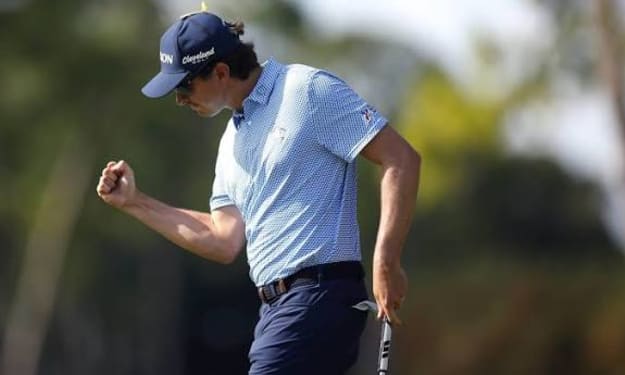
Shane Lowry’s collapse over the final two holes handed victory to Nico Echavarria in a dramatic finish at the Cognizant Classic, turning what seemed like a routine closing stretch into one of the most talked-about moments of the PGA Tour season. Lowry, the 2019 Open Championship winner, had controlled much of the final round and appeared poised to secure another PGA Tour title. Playing with confidence and precision throughout the day, the Irishman built a narrow but steady lead as he approached the closing holes. His ball-striking had been reliable, and his putting solid enough to keep challengers at arm’s length. But golf’s unforgiving nature was on full display when pressure peaked at exactly the wrong moment. Everything changed on the par-3 17th hole. Lowry’s tee shot drifted just off line, leaving him with a delicate recovery from thick rough. His chip failed to stop close to the pin, and he missed the par-saving putt. The resulting bogey immediately tightened the leaderboard and brought Nico Echavarria firmly back into contention. Lowry still held a share of the lead heading to the final hole, but momentum had shifted. The par-4 18th delivered a crushing blow. Lowry found trouble off the tee, forcing him into a defensive approach shot that left a long and awkward putt for par. Under intense pressure, he could not convert. Another bogey dropped him behind Echavarria, who had calmly completed his round with a steady par finish. In the space of two holes, Lowry went from likely champion to runner-up, a stark reminder of how quickly fortunes can change in professional golf. For Echavarria, the victory was a defining career moment. The Colombian golfer showed remarkable composure in the closing stretch, especially after watching Lowry stumble. Rather than forcing aggressive shots, Echavarria relied on smart course management and consistent putting. His performance over the final few holes highlighted maturity beyond his years and underlined why he is considered one of the PGA Tour’s rising talents. “This win means everything,” Echavarria said after lifting the trophy. “I stayed patient, trusted my game, and waited for the opportunity. Golf is unpredictable, and today it went my way.” The Cognizant Classic has built a reputation for dramatic finishes, and this year’s tournament added another chapter to that history. Played under warm Florida conditions with swirling winds in the afternoon, the course demanded accuracy and mental strength. Several contenders struggled as pin positions became more difficult late in the round, but none felt the pressure more acutely than Lowry. Despite the painful ending, Lowry’s overall performance was far from a failure. He ranked among the leaders in greens in regulation and showed the consistency that has defined his career. However, his closing collapse will linger as a lesson in the fine margins that separate victory from disappointment. Golf analysts noted that Lowry’s conservative choices on the final holes may have contributed to his downfall, allowing tension to creep into his swing and decision-making. Fans reacted with a mixture of sympathy and shock. Social media quickly filled with clips of the final two holes, with many praising Echavarria’s calm demeanor while lamenting Lowry’s misfortune. Fellow players also expressed respect for both competitors, acknowledging the mental toughness required to seize such an unexpected opportunity. The win provides Echavarria with valuable FedEx Cup points and further secures his status on the PGA Tour. More importantly, it gives him confidence heading into the heart of the season, where he will now be viewed as a genuine contender rather than an outsider. For Lowry, the focus will turn to recovery and reflection. Champions are defined not just by victories but by how they respond to setbacks. With major tournaments still ahead, the Irishman will aim to convert this disappointment into motivation. In the end, the Cognizant Classic delivered a finish that captured the essence of professional golf: pressure, unpredictability, and the thin line between triumph and heartbreak. On a day when Shane Lowry faltered at the last hurdle, Nico Echavarria stepped forward and claimed a victory that may shape the trajectory of his career.
By Fiaz Ahmed 2 days ago in Unbalanced
Cassie and Johnny
I’m the kind of dame you notice. I’m no femme fatale, but you can’t ignore me, at least not until I warn you about what’s coming, then everybody ignores me. Hell, they usually blame me afterwards and give Johnny all the credit for saving the day, but my Johnny couldn’t save a seat at the movies without my help. Sure, he’s brawny, but brainy? Not so much. Like that time I asked him to spot me five bucks, and he said he didn’t see it anywhere on me, and believe you me, he looked but good.
By Harper Lewis6 days ago in Critique


Comments