
Atlético Madrid vs Real Madrid: A Clash Beyond Football
Exploring history, rivalry, key players, and what this match means for Spanish football today

The Rivalry That Defines Madrid
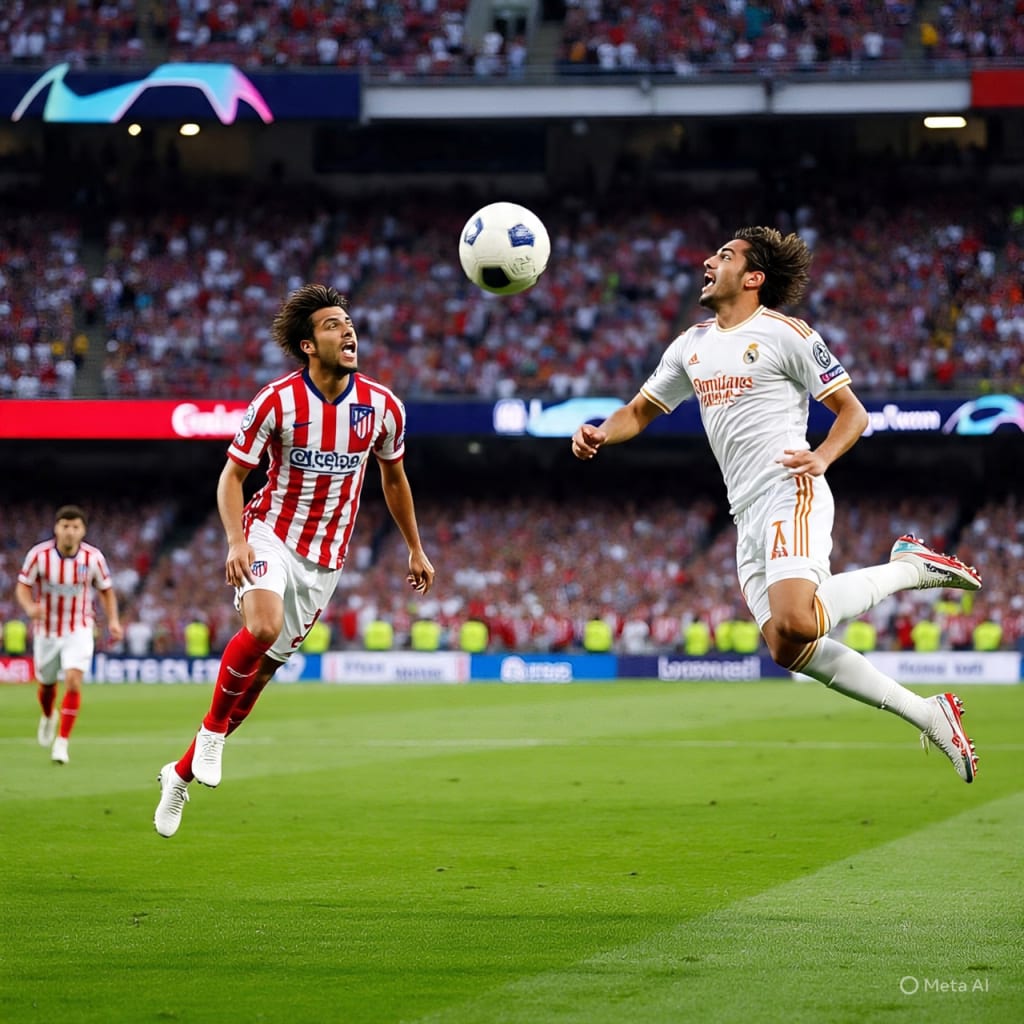
When Atlético Madrid and Real Madrid step onto the pitch, it is never just a football match. It is a city divided, two philosophies colliding, and one of the most watched rivalries in world sport. Known as the Madrid Derby, this clash carries history, passion, and emotions that stretch far beyond the ninety minutes. Fans, players, and even neutral supporters feel the intensity that comes with this fixture.
A History Written in Red and White, White and Gold
The rivalry began more than a century ago. Real Madrid was founded in 1902 and quickly became a dominant force in Spanish football, representing wealth and power. Atlético Madrid, created in 1903 by Basque students, grew into the club of the working class, symbolizing resistance against the elite. This contrast is part of what fuels the rivalry to this day.
Over the decades, Real Madrid’s global fame rose through its Champions League triumphs and star-studded squads. Atlético Madrid, on the other hand, built its identity on grit, resilience, and unity. Their fans proudly sing “Nunca dejes de creer” (Never stop believing), a phrase that reflects the club’s journey of near misses and emotional victories.
The Modern Era: Simeone vs Ancelotti
In recent years, the rivalry has been shaped by the managers. Diego Simeone transformed Atlético Madrid into one of the toughest defensive teams in Europe. His style emphasizes discipline, counter-attacks, and team spirit. Under Simeone, Atlético won La Liga in 2014 and 2021, breaking Real Madrid and Barcelona’s dominance.
Carlo Ancelotti, on the other side, is known for his calm leadership and attacking philosophy. Real Madrid under him has thrived with a balance of experience and young talent. With trophies at both domestic and European levels, Ancelotti has continued Real’s tradition of winning big matches.
Key Moments in Derby History
The Madrid Derby has delivered unforgettable moments. In the 2014 Champions League final, Atlético Madrid came within minutes of their first European crown. A late equalizer from Sergio Ramos forced extra time, and Real Madrid went on to win 4–1. For Atlético fans, it was heartbreak. For Real Madrid, it was their long-awaited “La Décima” – the 10th Champions League title.
Atlético did gain revenge in La Liga, beating Real Madrid 1–0 at the Santiago Bernabéu in 2013, breaking a 14-year drought in league derbies. Every victory feels historic for Atlético supporters, while Real’s successes add to their legacy of dominance.
The Stars of Today
Both teams currently have players who define their squads. For Real Madrid, Jude Bellingham has been a revelation, scoring crucial goals and commanding the midfield with maturity far beyond his age. Veterans like Luka Modrić and Toni Kroos continue to guide the team with experience. Vinícius Júnior, with his pace and creativity, remains a nightmare for defenders.
Atlético relies on Antoine Griezmann, a versatile forward who contributes with goals and playmaking. Álvaro Morata has been consistent in attack, while goalkeeper Jan Oblak remains one of the best shot-stoppers in the world. Together, they reflect Simeone’s balanced approach: solid at the back, sharp up front.
Fans and Atmosphere
What makes this rivalry unique is not just the players but the fans. Atlético’s supporters at the Metropolitano Stadium create a wall of sound, known for their loyalty even in tough times. Real Madrid’s fans at the Bernabéu, meanwhile, expect excellence and celebrate their club’s rich history of winning. When the derby takes place, the atmosphere is electric, with flags, songs, and chants filling the air.
What This Rivalry Means for Spanish Football
The Madrid Derby is more than a domestic clash; it is a global spectacle. It showcases the depth of Spanish football, where two styles – the attacking elegance of Real and the disciplined intensity of Atlético – meet head-on. The outcome often influences the league standings, title races, and even Champions League qualification.
Beyond football, the derby represents identity. For some, supporting Real Madrid means celebrating prestige and international success. For others, standing with Atlético Madrid is about loyalty, heart, and passion. Both perspectives enrich Spanish football culture.
Looking Ahead
As both clubs evolve, new players and fresh strategies continue to shape the rivalry. Real Madrid’s younger stars promise a future of attacking brilliance, while Atlético’s commitment to teamwork and resilience ensures they will always be a tough opponent. Each derby is unpredictable, which is why millions tune in worldwide to watch.
Conclusion
The Madrid Derby is not just about winning or losing. It is about pride, culture, and history. Whether you cheer for the white of Real Madrid or the red and white of Atlético, the derby reminds us why football is called the beautiful game. It unites and divides, excites and devastates, but above all, it keeps fans believing.
About the Creator
Saad
I’m Saad. I’m a passionate writer who loves exploring trending news topics, sharing insights, and keeping readers updated on what’s happening around the world.
Keep reading
More stories from Saad and writers in Unbalanced and other communities.
Bret "Hitman" Hart: The Life, Career, and Legacy of Wrestling's Pink and Black Legend
Bret "Hitman" Hart: The Life, Career, and Legacy of Wrestling's Pink and Black Legend Bret "The Hitman" Hart is widely known as one of the greatest professional wrestlers of all time. Known for his technical mastery and pink-and-black ring gear, Hart became a symbol of resilience, excellence, and heart in the world of sports entertainment.
By Saad 7 months ago in Unbalanced
Wild Card Weekend Recap: What Happens Now?
I think I figured out why I love Wild Card Weekend so much. It's because it's the first playoff anything of the calendar year. The NFL season starts in the fall, and once upon a time, the champion was crowned either on or slightly before New Year's. The evolution of the NFL schedule has resulted in the playoffs starting just into the New Year, and currently, the final week of the season falls on the first weekend of the New Year, with Wild Card Weekend coming a week after that. So yes, chronologically, the NFL's Wild Card Weekend serves as the first playoff anything of the calendar year.
By Clyde E. Dawkins4 days ago in Unbalanced
Homestand Part II: Not-So-Usual Suspects
On Thursday, the Colorado Avalanche's long homestand began against the Ottawa Senators, and it was a slaughter. An 8-2 victory that saw the Avs put six pucks in the net during the middle period. Martin Necas and Brock Nelson each reached the 20-goal mark during that game, and the highlight was Josh Manson's Gordie Howe Hat Trick--two goals, two assists, and a fight, with his dad, legendary player Dave Manson, in attendance.
By Clyde E. Dawkins5 days ago in Unbalanced



Comments
There are no comments for this story
Be the first to respond and start the conversation.