
With a new line of credit cards, Bilt adds mortgage rewards to rent rewards.
Bilt Card 2.0 is the fintech company's first offering, with housing payment rewards, flexible redemption options, and a unique low-introductory APR period.
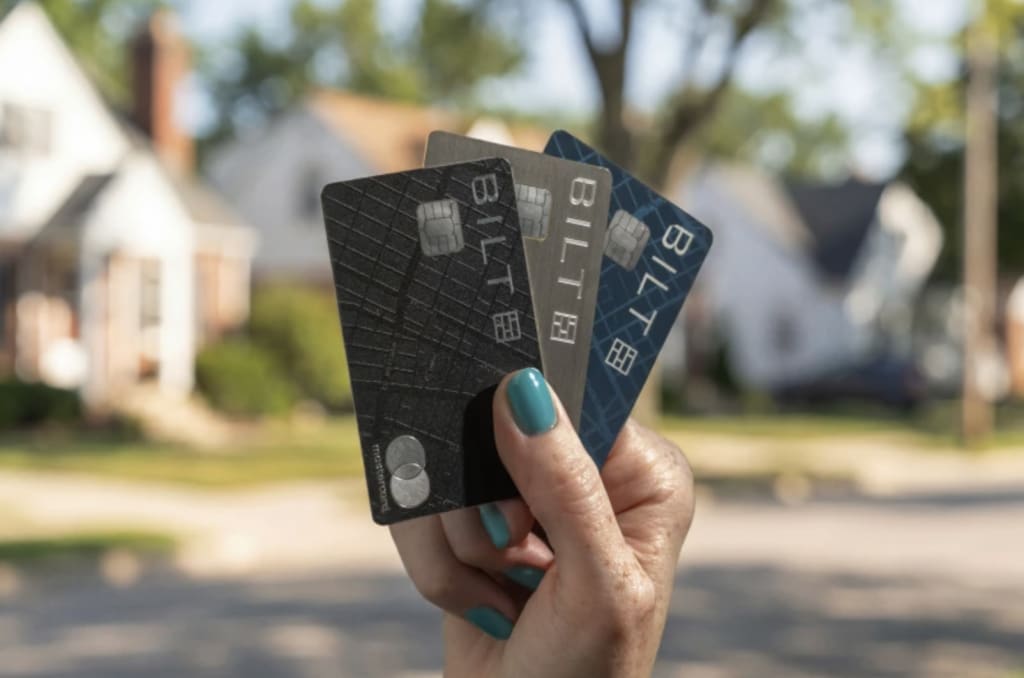
Bilt Rewards, a fintech company, has boldly revamped its credit card offerings to make everyday and housing payments more rewarding as Americans struggle with rising living costs and high credit card interest rates. The new design, which is called "Bilt Card 2.0," expands the popular rent-reward model of the company to include mortgage payments for the first time. It also introduces a "10 percent introductory interest rate cap" that is in line with recent calls from political leaders for credit products that are more friendly to consumers.
Originally known for enabling renters to earn rewards on monthly rent payments with no transaction fee, Bilt has steadily expanded its platform to build a lifetime value proposition extending beyond rent. The new card suite is a significant development in that strategy because it provides enhanced opportunities to earn and redeem rewards for everyday purchases and lifestyle experiences in addition to points for mortgage and rent. A no-annual-fee option (Bilt Blue), a mid-tier card with bonus categories (Bilt Obsidian), and a premium card with enhanced benefits (Bilt Palladium) are the "three distinct credit card options" at the heart of the update, each tailored to a different type of customer and spending behavior. In response to growing political pressure, including from former President Donald Trump, for lower credit card rate caps to support consumer affordability, all cards offer a 10% introductory APR on eligible purchases for the first year.
Across the lineup, cardholders earn 4 % back in Bilt Cash on everyday spending and can unlock points on rent and mortgage payments with no transaction fees. Instead of using the card's credit line, rent and mortgage payments are deducted directly from bank accounts, allowing cardholders to keep their available credit while still earning rewards. In addition to traditional Bilt Points, the rewards ecosystem now includes a new currency called Bilt Cash. This gives users more control over how they unlock rewards and use them for travel, housing credits, benefits from local partners, and other things.
Bilt's shift from a rent-focused product to a housing- and rewards-focused platform reflects broader shifts in consumer attitudes toward credit card use. Traditionally, rent was a cost that did not accrue rewards or points, leaving millions of renters without an easy way to recoup the most significant portion of their monthly payment. By allowing rent rewards, "free reporting of on-time rent payments to major credit bureaus," and "flexible redemptions for travel or future housing goals," Bilt changed that narrative.
The most recent batch of cards goes one step further by allowing cardholders to earn points on mortgage payments as well. This was a new concept for reward programs until recently. This makes Bilt one of the first major issuers to reward both renters and homeowners for housing costs, which could make it more appealing to a wider range of demographics. The decision to offer a 10 % introductory APR on the new cards intersects with broader political debates around credit card pricing.
In public, President Trump has called for a cap of 10% on credit card interest rates for a year. He says that high APRs put pressure on customers who already have to deal with inflationary pressures. Fintechs may respond to political and consumer pressures to offer more affordable credit products by adopting that cap for the first year at Bilt, while APRs return to industry-standard levels above 20% after the introductory period.
However, not everyone in the financial industry is in favor of such caps. Some leaders in the banking industry have argued that limiting interest rates could make it harder for people to get credit or cause unintended outcomes like higher lending standards or fewer rewards products in general. Regardless, Bilt’s move signals how fintech companies can innovate around pricing and rewards structures to differentiate themselves in a competitive credit card market.
The updated Bilt Cards provide cardholders with "multiple layers of value":
1. Rewarding housing costs: Earning points on both rent and mortgage payments can help turn major recurring expenses into opportunities for travel, retail, or even future housing credits.
2. Flexibility with everyday spending: Even for those who may not prioritize travel perks, the card's everyday value is increased by the 4% Bilt Cash reward.
The The new structure's critics point out that earning and then redeeming Bilt Cash to maximize rent or mortgage points can make things more complicated for some users. However, the expanded earning opportunities, particularly on previously unrewardable housing costs, mark a significant shift in the way credit card rewards can be used in everyday life.
The rebranding of Bilt exemplifies a broader trend in financial technology: reward programs are evolving from straightforward cashback or travel points into tools that assist customers in managing substantial expenditures and establishing credit histories. As competition intensifies among fintechs and traditional issuers, innovations like rent and mortgage rewards, flexible redemption options, and competitive interest offers will likely become more common — potentially reshaping how people think about credit.
It remains to be seen whether Bilt's new card lineup will become popular with the general public, but the company's strategy of rewarding unavoidable expenses while addressing consumer concerns about costs suggests a creative reimagining of credit card value in 2026 and beyond.
About the Creator
Keep reading
More stories from Raviha Imran and writers in Trader and other communities.
Despite global trade tensions, China posts a historic $1.2 trillion trade surplus in 2025.
China posted a "staggering" trade surplus of nearly $1.2 trillion as the year 2025 came to a close. This surplus was the largest in China's history and one of the largest ever recorded for a major economy. According to data released by China's customs authorities, exports totaled approximately $3.77 trillion in the previous year, while imports trailed by approximately $2.58 trillion, a gap that was greater than any previous milestone.
By Raviha Imran5 days ago in Trader
l&t finance share price prediction 2026: What investors need to know
l&t finance share price prediction 2026 is on the minds of many investors who want to plan for the future. Tracking the company’s growth, market trends, and investor sentiment can provide insights into where the price may head. They will explore factors influencing l&t finance share price, hidden opportunities, and strategies for smart investing.
By John.doe7985 days ago in Trader
10 Real Reasons We Can't Stop Broadcasting Our Lives and THINGS
Every time you scroll through your feed, you see them. The perfectly framed vacation photo. The luxury car casually positioned in the driveway. The designer bag that "just arrived." The promotion announcement with three paragraphs of humility wrapped around one core message: Look at me.
By Destiny S. Harris6 days ago in Trader
My New Book is Finally Here
My poetry collection Beautiful and Brutal Things is done. It's actually done and finally published over 270 pages. Over a year of my life went into this book. More than a year, really. Long days at my computer, sometimes seven days a week because I couldn't stop even when I probably should have. Then two months of editing that felt harder than the writing itself. But it's finished, and I'm still standing, and the book is real.
By Tim Carmichael2 days ago in BookClub



Comments
There are no comments for this story
Be the first to respond and start the conversation.