
Why Is My Crypto Wallet Frozen? Causes, Risks & Solutions
Is your crypto wallet frozen? Understand crypto freezing, common reasons exchanges freeze funds, real cases, and steps to regain access.
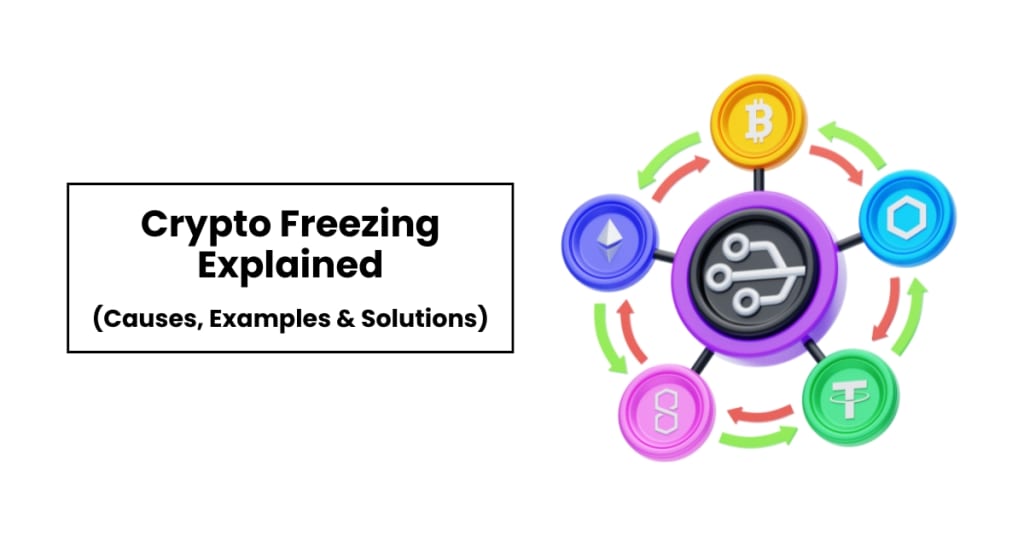
Has Your Crypto Ever Been Frozen?
Have you ever logged into your crypto account and discovered that your funds were suddenly unavailable or that your wallet was frozen without any advance notice?
If you trade or invest in cryptocurrency, it is important to understand what crypto freezing is, how it happens, and how it can affect you. A crypto freeze can block access to your funds at any time, limiting your ability to trade, withdraw, or move assets.
Crypto wallets may be frozen due to regulatory checks, security precautions, or internal platform controls. In such situations, traders temporarily lose control over their holdings. In this blog, we explain crypto freezing in detail, how it works, real-world examples, the main reasons behind frozen crypto funds, and the benefits and risks associated with crypto freezing.

Originally published at https://marketinvestopedia.com
What Is Crypto Freezing?
Crypto freezing refers to a condition where access to cryptocurrency funds is restricted or temporarily suspended. When funds are frozen, users are unable to trade, withdraw, or transfer their crypto assets until the issue is resolved. In simple words, a frozen wallet cannot be used for transactions.
There are multiple reasons why a crypto wallet may be frozen. Regardless of the reason, crypto freezing directly affects your holdings and disrupts your trading activity.
How Does Crypto Freezing Work?
Crypto freezing generally occurs on centralized exchanges or custodial wallets where the platform has control over user accounts. When suspicious activity or potential risks are detected, the exchange may temporarily freeze wallet access to stop further transactions.
Even though blockchains operate in a decentralized manner, user-level restrictions can still be applied by exchanges. This often makes traders believe that blockchain accounts are frozen, even though the restriction comes from the exchange itself.
Crypto Freezing Example
FTX User Fund Freeze – 2022
In 2022, FTX, once a major crypto exchange, collapsed and filed for bankruptcy. Withdrawals were frozen without warning, preventing millions of users from accessing their crypto funds. What initially appeared as a temporary freeze later became part of legal asset seizure during bankruptcy proceedings.
Another instance occurred when Binance temporarily paused Ethereum and ERC-20 token transactions during the Ethereum network upgrade. This was a planned freeze to avoid technical issues during the blockchain transition and is considered a controlled and preventive measure.
What Causes Crypto Freezing?
Several factors can lead to crypto freezing. The most common reasons include:

Regulatory Compliance
Crypto exchanges must follow regional and global regulations. During legal updates or regulatory changes, platforms may freeze crypto funds to meet compliance requirements and protect investors.
Fraud or Money Laundering Detection
Crypto markets are prone to scams and suspicious activities. If irregular transaction patterns are detected, exchanges may freeze funds for investigation.
Incomplete KYC or Documentation
Missing documents, incorrect identity information, or outdated KYC details can result in a wallet freeze until verification is completed.
Technical Issues or Network Problems
System bugs, network congestion, or infrastructure failures can temporarily restrict access, making it appear as though blockchain operations are frozen.
Security Risks or Unauthorized Access
If a platform detects hacking attempts or suspicious login behavior, it may freeze the affected account to protect funds from unauthorized transfers.
Legal Disputes or Investigations
Funds may be frozen during disputes or legal investigations to ensure transparency and prevent misuse while the matter is reviewed.
Algorithmic Trading Errors
Automated trading systems are not immune to errors. Technical glitches, sudden volatility, or unexpected market events may cause disruptions where human judgment becomes necessary.
Benefits of Crypto Freezing
Although restrictive, crypto freezing can be useful in certain situations:
Enhanced Asset Security
Freezing funds helps prevent losses during hacking attempts or unauthorized access.
Fair Resolution of Disputes
During investigations, frozen funds ensure assets are protected until issues are resolved.
Improved Platform Trust
Timely freezing shows that an exchange takes security and compliance seriously.
Protection During Network Maintenance
Temporary freezes during blockchain upgrades help avoid failed transactions and fund losses.
Risks of Crypto Freezing
Crypto freezing also carries certain drawbacks:
Temporary Loss of Access
Users cannot trade, withdraw, or move funds during the freeze period.
Emotional Stress
Unexpected freezes can lead to fear, frustration, and anxiety among traders.
Repeated Freezing Issues
Frequent wallet freezes can negatively affect user experience and trust in the platform.
How to Unfreeze a Crypto Account
- If your crypto funds are frozen, follow these steps:
- Contact the exchange’s official support team
- Submit required identity and verification documents
- Explain transaction activity if requested
- Seek legal assistance if the issue remains unresolved
Final Words
Crypto freezing is not always negative. In many cases, it is a security or compliance-related action. Choosing reputable exchanges reduces the chances of unfair freezes. If concerns persist, legal options are available.
At Market Investopedia, we provide practical crypto education to help traders understand risks and trade with confidence.
About the Creator
Keep reading
More stories from John Wilson and writers in Trader and other communities.
american signature furniture closing shocks shoppers while signaling big changes in retail
american signature furniture closing is making headlines and raising concern across the country. Customers, employees, and retail watchers are asking questions about store shutdowns, job security, and the future of the brand. This article explains what is happening, why it matters, and how both buyers and workers can respond.
By John.doe7987 days ago in Trader
South Korea Automotive Radar Market: Growth Trends, Demands, and Future Outlook 2034
South Korea Automotive Radar Market Overview The South Korea automotive radar market size reached USD 125.0 Million in 2024. The market is projected to reach USD 603.5 Million by 2033, exhibiting a growth rate (CAGR) of 17.05% during 2025-2033. The market is expanding due to the increasing adoption of advanced driver assistance systems (ADAS) and autonomous vehicles. The growing demand for safety technologies and radar system advancements significantly contribute to the South Korea automotive radar market share, boosting its presence across various vehicle segments.
By Kim Soo hyun4 days ago in Trader
Miss Persephone's Manual to a Seemingly Ordinary Life
Miss Persephone was found at the dining table, her blue eyes swollen, her tears arriving and retreating like the tides of the ocean. Earlier that day, her family had visited her in the retirement home where she had lived for eight years. It was her eightieth birthday.
By Imola Tóth4 days ago in Fiction


Comments
There are no comments for this story
Be the first to respond and start the conversation.