
Which Asphalt Mixing Solutions Are Most Popular in Indonesian Road Development Projects?
Explore the top asphalt mixing solutions utilized in Indonesian road development projects. Gain insights into their effectiveness and contributions to infrastructure growth.


Indonesia has seen a rapid increase in road construction across its islands. From government-funded highway upgrades to private industrial park access roads, asphalt plays a crucial role. But not every mixing solution fits every project. Choosing the right asphalt mixing equipment can save time, cut costs, and improve quality. In this article, I’ll walk you through the most popular asphalt mixing solutions used in Indonesian road development projects and help you understand which one may suit your business best.
Why Asphalt Mixing Choice Matters for Indonesian Projects
Before diving into specific plant types, let’s look at why the right asphalt plant matters so much in Indonesia. The country’s terrain varies — from urban centers like Jakarta to remote areas in Sumatra and Sulawesi. Road contractors face different climate conditions, project deadlines, and logistical challenges. That’s why the asphalt mixing solution needs to be not only efficient but also flexible, transportable, and reliable.
With this background in mind, let’s explore which solutions are actually in demand on-site.

Drum Mix Asphalt Plants: A Go-To for Continuous Projects
Many contractors in Indonesia prefer asphalt drum mix plants for their continuous production ability. This drum asphalt mixing plant is ideal for long rural road stretches and provincial highways where consistency and speed are key. The mixing and drying processes happen in one drum, making the setup faster and more energy-efficient.
Why It Works Well in Indonesia:
Simple structure makes it easy to maintain
Lower initial cost compared to batch plants
Faster installation, especially helpful for remote sites
Diesel burner options suit areas without steady electricity
In regions like Kalimantan and Papua, where construction sites are remote, contractors often choose mobile drum mix plants to reduce setup time and transportation difficulty.

Batch Mix Asphalt Plants: Precision for Urban and Expressway Projects
Now, when projects demand tighter specifications—like expressways, toll roads, or city-grade pavements—batch mix asphalt plants become the preferred solution. The asphalt batching plant for sale can offer better control over aggregate sizes, binder amounts, and mix temperatures. Each batch can be adjusted to meet different design mixes or material standards.
Key Benefits for Indonesian Contractors:
High precision suitable for high-grade road projects
Multiple mix designs possible in a single project
More suitable for commercial asphalt sales to third parties
For contractors working on Jakarta’s road expansions or Java’s toll networks, batching plants deliver the quality and flexibility that city planners and government specifications often demand.
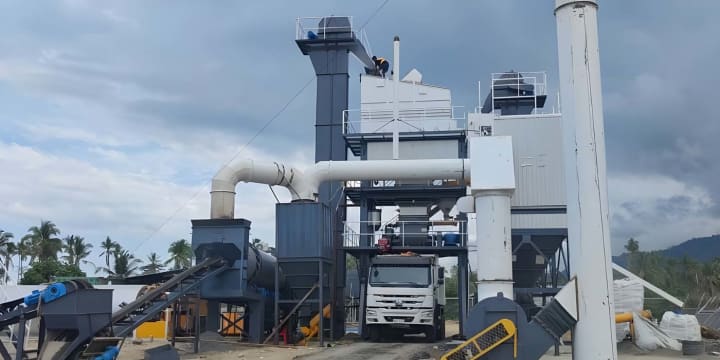
Mobile Asphalt Mixing Plants: Maximum Flexibility, Lower Relocation Costs
Indonesia’s archipelago structure poses a challenge—projects are often scattered across multiple islands. That’s why mobile asphalt mixing plants have become a practical and popular choice for many mid-sized contractors.
These plants are mounted on chassis and designed for easy relocation. For instance, contractors working on national road maintenance programs often move from one site to another every few weeks. Having a mobile unit means they avoid dismantling heavy equipment and reduce transport costs.
What Makes Mobile Plants Popular?
Quick setup and dismantling
Lower freight costs
Less dependency on permanent foundations
Can serve multiple short-term contracts across islands
If you work with short-term government or private contracts and change sites often, mobile asphalt plants may offer the best return on investment.
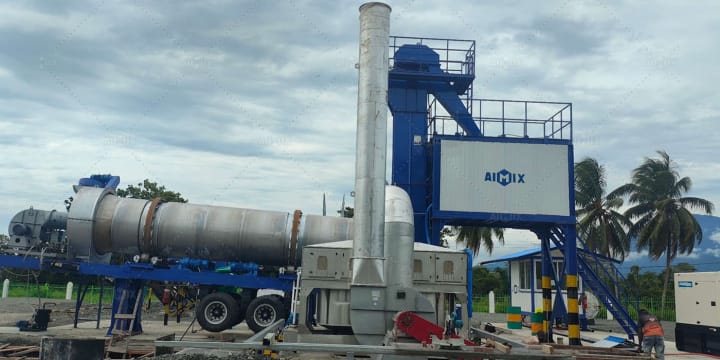
Containerized Asphalt Plants: Best for Seaport and Export-Focused Projects
Another emerging trend in Indonesia is the use of containerized asphalt plants. These modular plants are pre-assembled in standard shipping containers. While still a newer option, they’re gaining attention for export projects or near-port jobs.
Because they are prewired and preassembled, setup is fast. For instance, if you need to set up a temporary plant for a seaport access road in Surabaya or Makassar, container-type plants can be operational within days.
So Which Asphalt Mixing Solution Should You Choose?
It depends on your main business goals. Are you focused on long stretches of rural roads? A drum mix plant is efficient and simple. Do you need precise asphalt grades for urban or government-funded roads? A batch plant is your best bet. Are you managing multiple small contracts across islands? Go mobile. Need fast setup at port-based projects? Consider a containerized plant.
Your site location, mobility needs, budget, and expected production capacity all play a role in the final decision. But what’s clear is that Indonesian road contractors are moving toward faster, more flexible, and project-specific solutions to stay competitive.

Need Help Choosing the Right Asphalt Mixing Plant?
As someone who works directly with contractors in Indonesia, I understand how challenging it can be to select the right plant. That’s why I offer direct support in Bahasa Indonesia and English, backed by local warehouse service and after-sales support teams. Whether you need a compact drum mix unit or a custom-built batching plant, I’ll help you find the most practical option for your project.
If you’re looking to reduce asphalt costs, win more contracts, and meet demanding project specs, let’s talk. I’m here to help you choose an asphalt mixing plant that works—not just in theory, but on your actual jobsite.
Let’s connect today and start building better roads across Indonesia—together.
About the Creator
consrtuctionmachines
AIMIX is a customer-center-oriented heavy equipment manufacturer and supplier, devoted to production, innovation, combination, one-stop solution, etc.
https://aimixgroup.com/
Keep reading
More stories from consrtuctionmachines and writers in Trader and other communities.
How Do I Know If the Asphalt Mixing Plant I’m Purchasing Is High-Quality and Durable?
When it comes to purchasing an asphalt mixing plant, ensuring that you invest in a high-quality and durable machine is crucial. Asphalt mixing plants are not only expensive, but they also play a vital role in your construction projects. A poor-quality plant can lead to significant downtime, higher operational costs, and subpar results, all of which can harm your business. So, how do you ensure that the asphalt mixing plant you are purchasing will meet your expectations in terms of performance, durability, and long-term reliability? In this article, we’ll break down the key aspects to consider when evaluating the quality and durability of an asphalt plant.
By consrtuctionmachines12 months ago in Trader
Stanislav Kondrashov on SMI, S&P 500, Nasdaq and DAX as Global Markets Respond to Energy Costs and Inflation Pressure
Recent trading sessions across global stock exchanges have revealed a clear pattern: major market indices in Europe and the United States are moving in the same direction as concerns about energy prices and inflation return to the forefront. Declines recorded across several key benchmarks suggest that the pressures affecting the global economy are being felt widely and almost simultaneously.
By Stanislav Kondrashov5 days ago in Trader
Core Lithium Share Price Reaches Record Levels: What Investors Should Know
The core lithium share price has reached record levels, attracting attention from both new and experienced investors. Understanding why it has risen and what the future might hold is essential for making informed investment decisions. In this article, we explore the factors driving the core lithium share price, potential risks, and strategies to track it effectively.
By hamza mirza5 days ago in Trader


Comments
There are no comments for this story
Be the first to respond and start the conversation.