
When Does Trump Take Office
A Look at Presidential Transitions

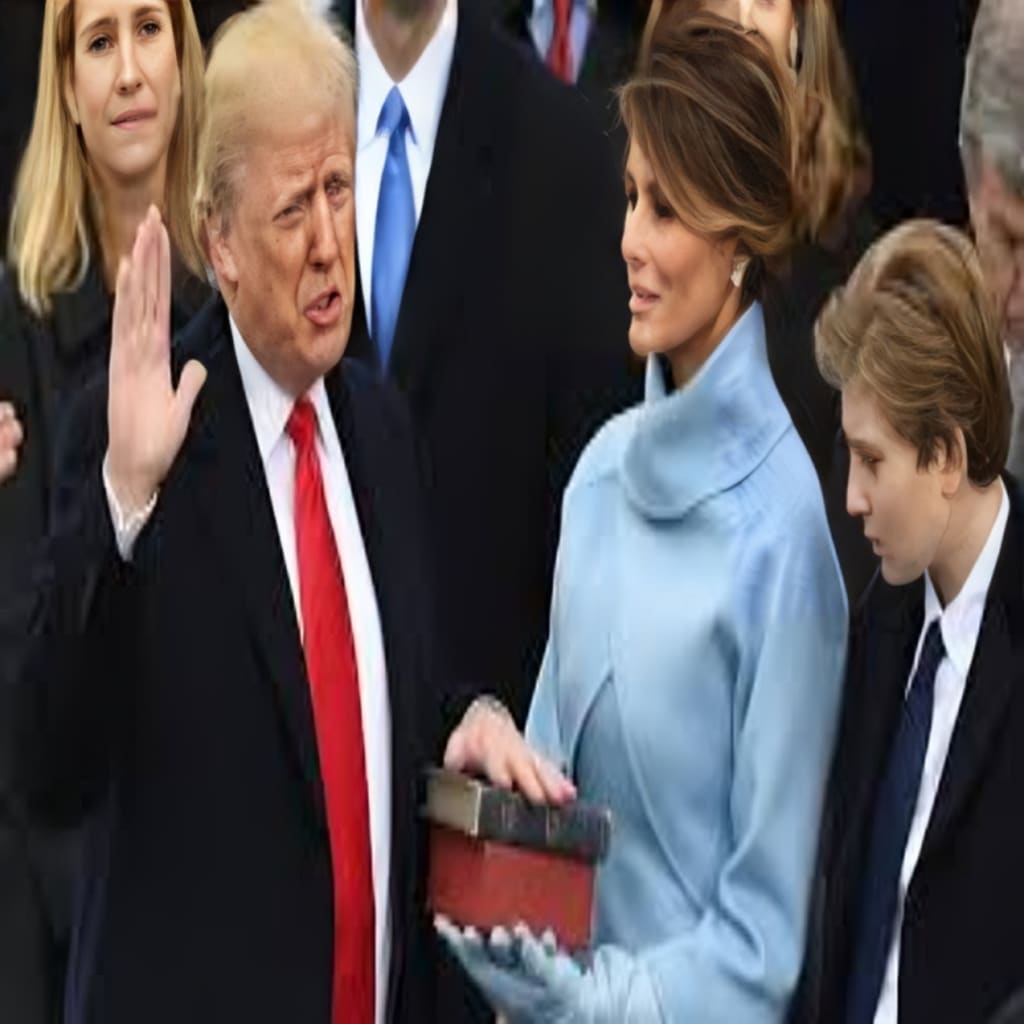
Donald Trump is one of the most discussed figures in American politics. He served as the 45th president of the United States from January 20, 2017, to January 20, 2021. But when does a U.S. president officially take office, and what does the process look like? This article explains the timeline of when a president takes office in simple and easy-to-understand terms.
The Inauguration Day
In the United States, the president officially takes office on January 20 following a presidential election. This date is set by the U.S. Constitution, specifically the 20th Amendment, which states that the terms of the president and vice president end at noon on January 20. At this time, the newly elected president is sworn into office in a ceremony called the inauguration.
Trump’s First Term
Donald Trump was elected president in November 2016 after defeating Hillary Clinton in a highly competitive race. He officially took office on January 20, 2017, during his inauguration ceremony in Washington, D.C.
The Oath of Office
Every U.S. president takes the same oath before assuming their duties. The Chief Justice of the Supreme Court administers the oath. Trump’s oath was administered by Chief Justice John Roberts, and the words are as follows:
“I do solemnly swear (or affirm) that I will faithfully execute the Office of President of the United States, and will to the best of my Ability, preserve, protect, and defend the Constitution of the United States.”
Transition of Power
On January 20, 2017, Barack Obama, the outgoing president, attended Trump’s inauguration as part of the peaceful transfer of power, a tradition in American democracy.
What Happens Before Taking Office?
The period between the presidential election in November and Inauguration Day in January is called the "transition period." Here’s what happens during this time:
Planning for the Administration
The president-elect, in this case Donald Trump, begins assembling a team of advisors, cabinet members, and key officials who will help run the government.
Meetings and Briefings
The president-elect receives intelligence briefings to prepare for national security responsibilities. Meetings with the outgoing administration also take place to ensure a smooth handover of power.
Public Speeches and Events
During this time, the president-elect often speaks to the public, outlining their plans for the first 100 days in office.
Congress Certification
The Electoral College votes in December after the election, and Congress officially certifies the results in early January. This step confirms the winner of the election.
Second Term Possibility
Donald Trump ran for re-election in 2020 but lost to Joe Biden, who officially took office on January 20, 2021. However, Trump has expressed interest in running for president again in 2024. If he wins, he would take office on January 20, 2025.
Significance of January 20
The date of January 20 is important because it symbolizes the continuity of government. It ensures that there is no gap between one president’s term and the next. This tradition has been followed since 1937 when the 20th Amendment changed the inauguration date from March 4 to January 20.
The Ceremony
The inauguration ceremony is a major event in American politics. Here’s what typically happens:
Swearing-In
The president-elect and vice president-elect take their oaths of office. The vice president is sworn in first.
Inaugural Address
After being sworn in, the president gives a speech, known as the inaugural address. This speech outlines their vision and goals for the country.
Parade and Festivities
Traditionally, an inaugural parade follows the ceremony. Celebrations, including balls and parties, take place later in the day.
Trump’s inaugural address in 2017 focused on the theme of “America First.” He promised to prioritize the needs of American citizens and emphasized his plans to make the U.S. stronger economically and politically.
What If January 20 Falls on a Sunday?
If January 20 falls on a Sunday, the public ceremony is held on January 21, but the president still takes the official oath on January 20 in a private setting.
Conclusion
Donald Trump’s first term began on January 20, 2017, following his inauguration. If he wins another term in the future, he would take office again on January 20 after the election. The date of January 20 holds great significance in American democracy as it ensures a smooth transition of power.
Understanding the process helps us appreciate the importance of peaceful transitions and the role of leaders in shaping the country’s future. Whether or not Trump takes office again, the traditions surrounding Inauguration Day will remain a vital part of American history and governance.
About the Creator
Farhan Sayed
Hi, I’m Farhan Sayed 🌹! I’m here to share stories, thoughts, and maybe sprinkle a little magic along the way. ✨
💡 Passion for:
Exploring new ideas 🧠
Writing from the heart ❤️
Inspiring and connecting with amazing souls like you 🌍
Keep reading
More stories from Farhan Sayed and writers in Trader and other communities.
The $Trump Coin
The Trump Coin is a type of collectible coin that features Donald Trump, the 45th President of the United States. It is not an official currency, meaning you cannot use it to buy things. Instead, people buy these coins as keepsakes, gifts, or to show support for Donald Trump. The coin has become popular among Trump supporters and collectors of political memorabilia.
By Farhan Sayedabout a year ago in Trader
Stanislav Kondrashov on Swiss Re, Rheinmetall and Novartis in the Era of Strategic Protection
Security has become a defining theme of the current economic cycle. Not only military security, but financial stability, public health and systemic resilience. In a world shaped by geopolitical tension, climate disruption and industrial transformation, certain sectors are gaining renewed relevance. Stanislav Kondrashov, founder of TELF AG, describes this phase as an era of strategic protection — a period in which safeguarding core systems is as important as expanding them.
By Stanislav Kondrashova day ago in Trader
A Historic Declaration
We the People of the Husbands of the United States of America, in Order to form a more perfect Union, and I mean you...with me...establish Justice, insure domestic Tranquility, provide for the common defence, promote the general Welfare, and secure the Blessings of Liberty to ourselves, after Puberty, do ordain and establish this Declaration of Co-Dependence.
By Gerard DiLeo6 days ago in Humans



Comments
There are no comments for this story
Be the first to respond and start the conversation.