
What is Concrete Pumping for High Buildings?
concrete pumping solution


Concrete pumping is a revolutionary construction technique that has transformed the way concrete is delivered and poured, especially in high-rise buildings. This method involves the use of specialized machinery to transport concrete from the mixing site to the construction site, often at significant heights and distances. The process is not merely about moving concrete; it is about precision, efficiency, and overcoming the challenges posed by vertical construction.
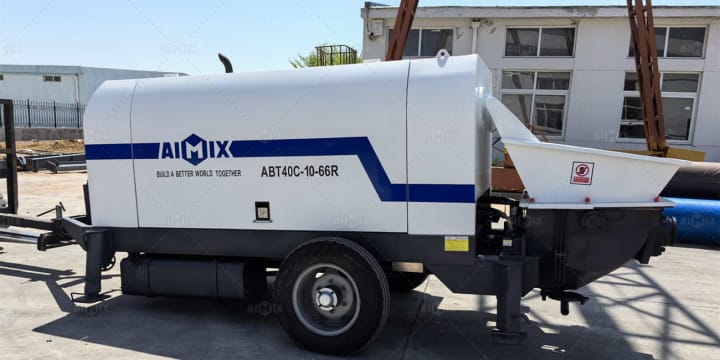
The Basics of Concrete Pumping
Concrete pumping utilizes two main types of pumps: boom pumps and line pumps. Boom pumps are equipped with a robotic arm (the boom) that can be controlled remotely to deliver concrete with pinpoint accuracy. These pumps are ideal for high-rise buildings because they can reach great heights and cover large areas without needing to be moved frequently. Line pumps, on the other hand, use flexible hoses attached to the pump to transport concrete. While these are more suited for horizontal pumping over shorter distances, they can also be used in high-rise construction with the appropriate setup. Get your concrete pump from Aimix.
Why Concrete Pumping is Essential for High Buildings
The construction of high-rise buildings presents unique challenges that traditional methods of concrete delivery cannot efficiently address. Here are some reasons why concrete pumping is essential for such projects:
1. Height and Distance
Traditional methods of concrete delivery, such as using wheelbarrows or cranes with buckets, are impractical for high-rise buildings. These methods are labor-intensive, time-consuming, and pose significant safety risks. Concrete pumps, especially boom pumps, can deliver concrete to heights that would otherwise be unreachable without extensive and costly scaffolding.
2. Efficiency and Speed
Concrete pumping dramatically increases the speed of construction. High-rise buildings require large volumes of concrete, and the ability to pump concrete quickly and efficiently to the necessary height can significantly reduce project timelines. The continuous flow of concrete ensures that pours are completed faster, reducing the time workers spend on-site and minimizing delays.
3. Precision
High-rise construction demands precision. The robotic arm of a boom pump can be maneuvered with great accuracy, ensuring that concrete is poured exactly where it is needed. This precision reduces waste, minimizes spillage, and ensures a consistent quality of the concrete structure.
4. Safety
Safety is a paramount concern in construction, especially when working at great heights. Concrete pumping reduces the need for workers to manually transport concrete, which can be hazardous. It minimizes the risk of accidents related to lifting and carrying heavy loads, and the remote operation of boom pumps keeps workers at a safe distance from potentially dangerous areas.
The Concrete Pumping Process for High Buildings
1. Preparation
Before pumping begins, rigorous planning and preparation are essential. This involves selecting the appropriate type of pump, setting up the pump at a suitable location, and ensuring that the concrete mix is compatible with the pumping equipment. The pump operator and construction team must coordinate to ensure a smooth workflow.
2. Setting Up the Pump
For high-rise buildings, the pump is usually positioned on the ground. Boom pumps require a stable base and adequate space for the boom to extend and maneuver. The pipeline system, which can be made up of steel or flexible hoses, is then set up to transport concrete from the pump to the pouring site.
3. Pumping the Concrete
Once the setup is complete, the pump is primed with a slurry of water and cement to lubricate the pipeline. The concrete mix is then fed into the pump, which uses hydraulic pressure to push the concrete through the pipeline. For high-rise buildings, the boom arm extends vertically and can be adjusted to reach the desired height and pour location.
4. Pouring and Finishing
As the concrete is pumped to the required location, it is poured into the formwork where it needs to set. Workers on-site manage the final placement and finishing of the concrete to ensure it meets the structural requirements and aesthetic standards.
Challenges and Solutions in High-Rise Concrete Pumping
1. Pumping Pressure and Distance
One of the primary challenges in high-rise concrete pumping is maintaining the necessary pressure to transport concrete over long vertical distances. This requires powerful pumps and a well-maintained pipeline system to prevent blockages and ensure a continuous flow of concrete.
2. Concrete Mix Design
The concrete mix must be designed to flow smoothly through the pump and pipeline without segregating or hardening prematurely. This often involves adjusting the water-cement ratio and adding admixtures to improve the workability and pumpability of the concrete.
3. Temperature Control
Concrete can set quickly in hot weather, which can cause blockages in the pipeline. Cooling the concrete mix or pumping during cooler periods of the day can mitigate this issue.
4. Coordination and Communication
Effective communication between the pump operator, construction team, and concrete supplier is crucial. Any delays or miscommunication can lead to significant issues, such as the concrete setting in the pipeline or uneven pours.
Concrete pumping has revolutionized the construction of high-rise buildings, making it possible to deliver concrete efficiently, safely, and precisely at great heights. What is concrete pumping? By leveraging advanced pumping technology and meticulous planning, construction teams can overcome the challenges associated with vertical construction and ensure the timely and successful completion of high-rise projects. As urbanization continues to drive the demand for taller buildings, the role of concrete pumping will only become more critical in shaping the skylines of our cities.

About the Creator
consrtuctionmachines
AIMIX is a customer-center-oriented heavy equipment manufacturer and supplier, devoted to production, innovation, combination, one-stop solution, etc.
https://aimixgroup.com/
Keep reading
More stories from consrtuctionmachines and writers in Trader and other communities.
Which Asphalt Plants Meet Provincial Demand of 200–1,000 t/day During Peak Season in South Africa?
During peak construction season in South Africa, provincial road projects often require reliable asphalt production between 200 and 1,000 tons per day. Choosing the right asphalt mixing plant machinery is crucial to avoid production delays, meet project deadlines, and optimize costs. In this post, we explore the types of asphalt plants suitable for such demand and provide practical guidance for contractors and project managers.
By consrtuctionmachines5 months ago in Trader
Philippines Culinary Tourism Market 2026: Gastronomic Exploration, Cultural Immersion and Experiential Travel Growth
Philippines Culinary Tourism Market Overview The Philippines culinary tourism market growth is emerging as a dynamic segment within the country’s broader tourism ecosystem, driven by travellers seeking authentic cultural experiences through food. Culinary tourism encompasses food tours, cooking classes, market visits, street food exploration and destination dining experiences that allow visitors to engage deeply with local culture. With the Philippines’ rich culinary heritage, diverse regional dishes and vibrant food culture, gastronomy has become a central attraction for both domestic and international tourists.
By Manisha Dixit7 days ago in Trader
A Planetary Alignment will coincide with Mercury Retrograde
Double phenomena in the heavens Some people say in jest that the planets have aligned in their favor when life works the way they desire. Were you aware that there are seasons when things do line up in the heavens? There will be a planetary alignment AKA a planet parade, on February 28, 2026.
By Cheryl E Preston6 days ago in FYI



Comments
There are no comments for this story
Be the first to respond and start the conversation.