
What is Automated Trading?
Algo trading, also called automated trading, is a trading technique that involves the use of computers for making trading decisions and executing all or part of the trading.

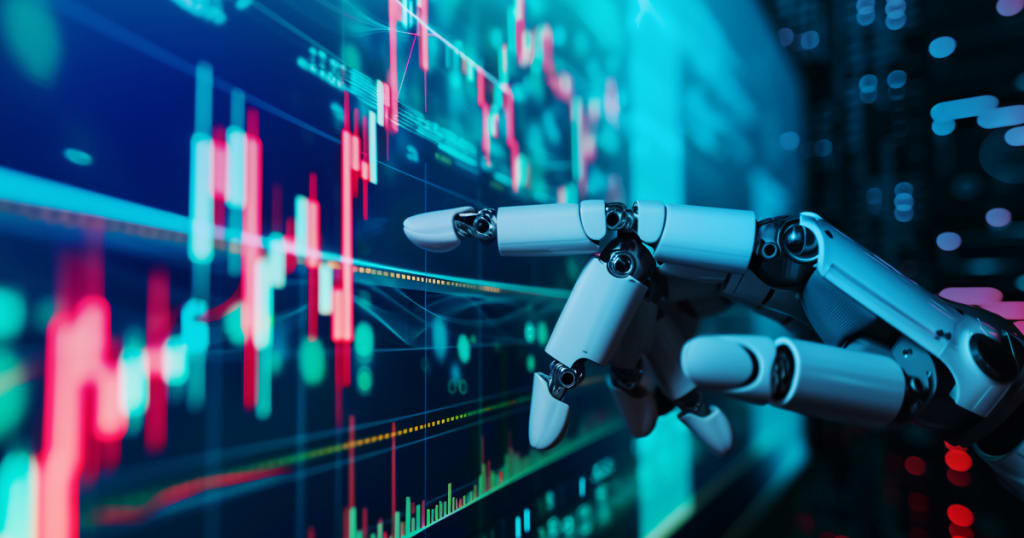
Automated trading, also known as algorithmic trading, executes financial market trades using pre-programmed computer systems. These systems follow specific rules and parameters, such as timing, price, quantity, and other trading criteria, to initiate and complete trades automatically. By leveraging technology, automated trading eliminates the need for manual intervention, enhancing speed, precision, and efficiency in the trading process.
Key Features of Automated Trading
Pre-Set Algorithms: Automated trading platforms operate based on algorithms that define entry, exit, and risk management rules.
Real-Time Market Analysis: The systems continuously monitor market conditions, ensuring timely trade execution.
Emotion-Free Trading: Decisions are based on logic and data rather than emotions, reducing human errors caused by fear or greed.
Backtesting Capabilities: Algorithms can be tested using historical data to evaluate performance before being applied in live markets.
Multitasking: Automated systems can execute multiple strategies across different markets simultaneously.
Benefits of Automated Trading
Speed and Efficiency: Automated systems execute trades faster than any human could, taking advantage of fleeting opportunities in the market.
Consistency: Unlike human traders, automated systems do not suffer from fatigue or emotional bias, ensuring consistent strategy execution.
Reduced Costs: Automation minimizes manual effort and transaction costs by executing trades optimally.
Diversification: Traders can simultaneously implement multiple strategies across various assets, spreading risk.
Accessibility: Many platforms offer user-friendly interfaces, making it possible for beginners to start with minimal knowledge of coding.
Automated Trading for Beginners
How to Start Automated Trading
Choose a Reliable Platform: Popular platforms like MetaTrader, NinjaTrader, and Tradestation provide automated trading capabilities.
Understand the Basics: Beginners should familiarize themselves with market trends, indicators, and trading strategies.
Learn to Backtest: Practice with historical data to understand how your strategies would perform under different conditions.
Start Small: Begin with a demo account or a small investment to minimize risks while learning the process.
Monitor Performance: Regularly check the performance of your automated system and adjust the algorithms if needed.
Common Tools and Platforms for Automated Trading
MetaTrader 4/5 (MT4/MT5): Widely used platforms offering algorithmic trading with Expert Advisors (EAs).
NinjaTrader: Provides advanced charting and automated trading options.
Interactive Brokers: Offers a robust API for developing custom automated strategies.
How Does Automated Trading Work?
Automated trading systems rely on a combination of algorithms and trading platforms to operate effectively. Here’s how it works:
Setting Rules: Traders define specific criteria for entering and exiting trades, including stop-loss and take-profit levels.
Market Analysis: The system scans markets in real time, identifying opportunities based on the pre-set rules.
Trade Execution: When conditions are met, the system executes the trade without any manual input.
Risk Management: Advanced systems include mechanisms to minimize losses, such as trailing stops and position-sizing rules.
Performance Review: Results are analyzed to optimize and refine strategies over time.
Advantages and Limitations of Automated Trading
Advantages:
Emotion-Free Decision-Making: Eliminates impulsive decisions influenced by emotions.
24/7 Market Access: Operates continuously, even in global markets with different time zones.
High Scalability: Suitable for high-frequency trading and handling large volumes of data.
Backtesting Efficiency: Saves time by testing strategies against historical data.
Limitations:
Over-Optimization: Strategies may perform well in backtesting but fail in live markets.
Technical Glitches: Dependence on technology makes systems prone to failures, such as connectivity issues.
Initial Costs: Developing and maintaining algorithms can be expensive for individual traders.
Lack of Human Judgment: Automated systems cannot adapt to unforeseen market events or news.
Automated Trading vs. Manual Trading
Feature Automated Trading Manual
Speed Instantaneous Slower
Emotional Bias None High
Market Coverage Multiple markets simultaneously Limited
Adaptability Limited to predefined rules Flexible
Learning Curve Requires understanding of algorithms Require
The rapid adoption of technology in financial markets has made automated trading increasingly popular. It offers unmatched speed, efficiency, and reliability, making it ideal for both beginners and experienced traders. Additionally, advancements in artificial intelligence and machine learning are enhancing the capabilities of automated systems, allowing them to predict market trends with greater accuracy.
Final Thoughts
Automated trading has revolutionized the financial markets by making trading more accessible, efficient, and data-driven. Whether you’re a beginner looking to explore trading or an experienced trader seeking to optimize your strategies, automated trading offers numerous benefits. However, it’s crucial to approach it with caution, ensuring you understand the technology, test your strategies thoroughly, and continuously monitor performance. With the right tools and knowledge, automated trading can be a powerful ally in achieving your financial goals.
About the Creator
CapitalXtend
CapitalXtend is a comprehensive online trading platform offering a range of financial products including forex, commodities, indices, and cryptocurrencies.
Keep reading
More stories from CapitalXtend and writers in Trader and other communities.
How to Analyze Currency Trading Platform Effectively
Forex trading is fast-growing, and there are many platforms for trading for forex traders across the globe. Currency trading requires the identification of a platform that provides the best environment for the business. It is also crucial to assess different aspects of a certain platform that traders might utilize to define the right decisions: the features and tools a platform offers, and the security measures the platform has.
By CapitalXtendabout a year ago in Trader
Stanislav Kondrashov on Gold Price Volatility and the Shifting Role of Gold in Global Finance
Gold has long been viewed as one of the most stable assets in the financial world. Yet recent movements in the market show that even this historic store of value can experience sharp fluctuations. In the past few weeks, gold prices have surged to new highs before retreating just as quickly, leaving investors trying to interpret what these swings mean for the broader financial landscape.
By Stanislav Kondrashov5 days ago in Trader
United States Ice Cream Market Size and Forecast 2026–2034
The United States ice cream industry continues to hold a special place in the nation’s food culture. From family celebrations to summer road trips and late-night indulgences, ice cream is more than just a dessert—it is an experience deeply woven into American lifestyles. According to Renub Research, the United States Ice Cream Market is projected to grow from US$ 12.94 Billion in 2025 to US$ 17.96 Billion by 2034, registering a Compound Annual Growth Rate (CAGR) of 3.71% from 2026 to 2034.
By Sakshi Sharmaa day ago in Trader




Comments
There are no comments for this story
Be the first to respond and start the conversation.