
What is Algorithmic Trading & its Advantages?
Know what algorithmic trading in our extensive guide and its key components is. Discover the advantages of algorithmic trading and the risks associated with it.

Ever felt like making split-second decisions in the stock market is a real challenge? Enter algorithmic trading – a solution to the complexities of swift decision-making in finance. Imagine having a smart computer that automatically handles buying and selling, removing the need for quick thinking. In this article, we will unravel the world of algorithmic trading, exploring how it tackles the problems of manual trading.
From understanding algorithmic trading components to the advantages and disadvantages it brings, let's uncover the innovation that is reshaping how we navigate the financial landscape.
Brief Overview of Algorithmic Trading
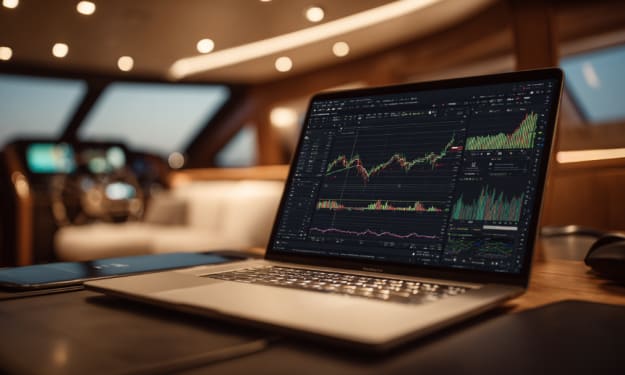
Algorithmic trading, often referred to as algo trading, is the use of computer algorithms to execute forex trading strategies with precision and efficiency. It represents a departure from traditional manual trading methods, where human decision-making plays a predominant role. Algo trading leverages advanced mathematical models and computer programs to make trading decisions, execute orders, and manage portfolios.
Understanding Algorithmic Trading
At its core, algorithmic trading involves the utilization of predefined mathematical models and rules to automate trading decisions. These algorithms are designed to analyse market data, identify trends, and execute orders without human intervention. The overarching goal is to maximize profits, minimize losses, and achieve trading objectives in a systematic and disciplined manner.
Key Components of Algorithmic Trading
Algo trading operates on a foundation of key components that work together seamlessly to execute trades efficiently and strategically. Understanding these components is crucial for anyone looking to grasp the inner workings of algorithmic trading.
• Algorithms: Algorithms form the heart of algorithmic trading. These are sets of rules and instructions that dictate how trades are executed based on specific criteria. They can range from simple moving averages to complex machine learning models, depending on the trading strategy employed.
• Data Inputs: Algorithmic trading relies heavily on data inputs, encompassing various market indicators, price movements, trading volumes, and economic indicators. The quality and accuracy of these inputs significantly impact the effectiveness of algorithmic strategies.
• Execution Strategies: Execution strategies determine how orders are placed in the market. This includes considerations such as order types, timing, and sizing. Popular execution strategies include market orders, limit orders, and stop orders, each serving different purposes in optimizing trade execution.
Advantages of Algorithmic Trading
Algorithmic trading comes with a bunch of benefits that have made it popular in today's financial world. Let's take a closer look at these advantages to understand why lots of investors and big companies prefer using algorithmic trading.
• Rapid Execution: One of the primary advantages of algorithmic trading is its ability to execute trades at lightning speed. Algorithms can instantly react to market conditions and execute orders in milliseconds, ensuring that traders capitalize on fleeting opportunities and reduce exposure to market volatility.
• Reduced Latency: Algorithmic trading significantly reduces latency, the time lag between identifying a trading opportunity and executing a trade. By minimizing latency, algo traders gain a competitive advantage in capturing price discrepancies and maintaining optimal trade execution.
• Elimination of Emotional Bias: Human emotions, such as fear and greed, can influence trading decisions and lead to irrational behaviour. Algorithmic trading eliminates emotional bias, as algorithms operate based on predefined rules and parameters, ensuring a disciplined and systematic approach to online currency trading.
• Consistent Decision-Making: Algorithms maintain consistency in decision-making, executing trades according to predefined criteria regardless of market conditions. This consistency helps traders avoid the pitfalls of impulsive decision-making and fosters a disciplined and strategic trading approach.
Risks and Challenges of Algo Trading
While algorithmic trading brings numerous advantages, it also comes with its set of risks and challenges that traders and institutions must navigate. Let's delve into these potential pitfalls to better understand the complexities associated with algorithmic trading.
• System Failures: Despite its advantages, algorithmic trading is not without risks. Technical glitches, system failures, or bugs in the algorithmic code can lead to catastrophic consequences. Traders must implement robust risk management practices and constantly monitor the performance of their algorithms to mitigate the risk of system failures.
• Connectivity Issues: Algorithmic trading relies on seamless connectivity to market data feeds and execution venues. Connectivity issues, such as network outages or delays, can disrupt the execution of trades and result in financial losses. Traders must have backup systems and contingency plans to address connectivity challenges.
• Slippage: Slippage occurs when the executed price of a trade differs from the expected price. In fast-moving markets, algorithms may face slippage due to rapid price changes between the initiation of the order and its execution. Traders must implement algorithms that account for potential slippage and incorporate risk management measures accordingly.
• Compliance Issues: Algorithmic trading faces regulatory scrutiny to ensure fair and orderly markets. Traders must adhere to regulatory requirements, including market access controls, pre-trade risk checks, and reporting obligations. Failure to comply with these regulations can lead to legal and financial repercussions.
• Increased Scrutiny: Regulators are increasingly focused on monitoring algorithmic trading activities to prevent market manipulation and ensure market integrity. Traders must be prepared for enhanced regulatory scrutiny, including audits and investigations, to maintain compliance with evolving regulatory frameworks.
Conclusion
Algorithmic trading is not just a technological innovation; it is a catalyst for change in the financial industry. Its ability to adapt to evolving market conditions, minimize human error, and enhance trading efficiency positions it as a key player in shaping the future of finance. However, traders must remain vigilant, addressing risks and challenges while embracing the potential for continued innovation in the dynamic world of algorithmic trading.
About the Creator
Keep reading
More stories from Vijay Setthu and writers in Trader and other communities.
Know the Risks Behind CFD Cryptos Trading - A Beginner's Guide
In recent years cryptocurrency trading has been at the forefront of many traders’ portfolios. However, beginners must acknowledge the risks associated with CFD cryptos trading. This all-encompassing guide aims to delve into the potential risks associated with crypto trading and furnish invaluable perspectives to assist newcomers in traversing the crypto markets with enhanced awareness and prudence.
By Vijay Setthu2 years ago in Trader
The idea that regulation would kill crypto is starting to feel outdated
shared standards, no real agreement on what these assets even were. That uncertainty fed everything else. Volatility, scandals, and the lingering idea that this was all just speculation dressed up as innovation.
By crypto geniea day ago in Trader
Israel CPI Moves to 2.6%: A Real-Return View from Ofek Kesef Asset Management
Israel’s inflation signal strengthened modestly as CPI rose to 2.6%, up from 2.4%. In isolation, that change may look incremental, but it matters because inflation is the baseline that determines whether investment outcomes translate into real purchasing power. For long-term allocators, the objective is not simply to “make returns,” but to preserve what those returns can actually buy after costs and inflation.
By Ofek Kesef Asset Management6 days ago in Trader



Comments
There are no comments for this story
Be the first to respond and start the conversation.