
What Do You Need to Know Before Opening a Coworking Space?
Opening a coworking space can be an exciting and rewarding venture. As the demand for flexible workspaces grows, more entrepreneurs are exploring the potential of coworking spaces.


Opening a coworking space can be an exciting and rewarding venture. As the demand for flexible workspaces grows, more entrepreneurs are exploring the potential of coworking spaces. However, starting a coworking space requires careful planning and consideration. This comprehensive guide will help you understand the key factors and steps involved in opening a successful coworking space.
1. Conduct Thorough Market Research
Understand the Demand
Before opening a coworking space, it's crucial to assess the demand in your target area. Identify the local demographic, including freelancers, remote workers, startups, and small businesses. Conduct surveys, focus groups, and interviews to understand their needs and preferences. Look at industry reports and market trends to get a sense of the overall growth in the coworking sector.
Analyze the Competition
Examine existing coworking spaces in the area. Analyze their offerings, pricing, target audience, and unique selling points. Understanding what your competitors are doing right (and wrong) can help you differentiate your space and identify gaps in the market.
Identify Your Target Audience
Define your target audience clearly. Are you catering to tech startups, freelancers, creative professionals, or a mix of different groups? Knowing your target audience will help you design your space and tailor your services to meet their specific needs.
2. Choose the Right Location
Accessibility
Location is one of the most critical factors for the success of a coworking space. Choose a location that is easily accessible by public transportation and has ample parking facilities. Being in a vibrant area with cafes, restaurants, and other amenities nearby can also attract more members.
Space Layout and Design
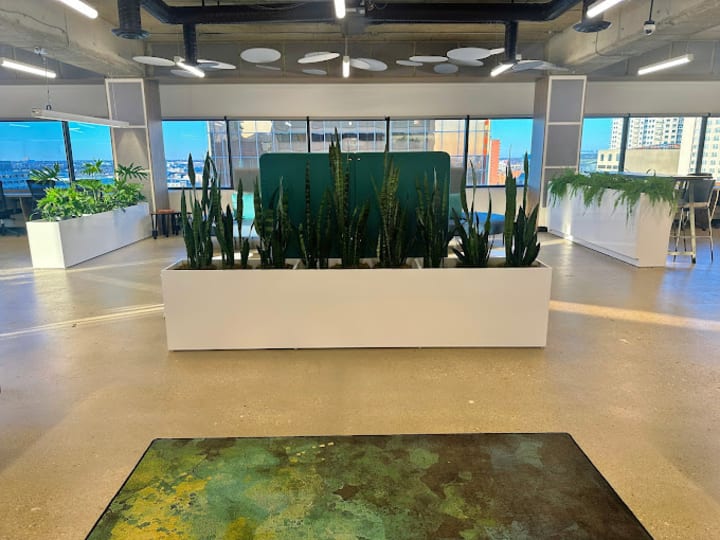
The layout and design of your coworking space play a significant role in its appeal. Ensure that the space is flexible and can accommodate different types of work setups, including hot desks, dedicated desks, private offices, and meeting rooms. Consider the flow of the space, natural light, and the overall ambiance. Comfortable and ergonomic furniture is essential for a productive work environment.
Size and Scalability
Consider the size of the space and its scalability. Start with a space that meets your current needs but has the potential for expansion as your membership grows. Ensure that the building infrastructure can support additional desks, meeting rooms, and other facilities.
3. Develop a Solid Business Plan
Define Your Vision and Mission
Clearly articulate the vision and mission of your coworking space. What makes your space unique? What are your core values? Having a clear vision and mission will guide your business decisions and help you create a strong brand identity.
Financial Planning
Develop a comprehensive financial plan that includes initial setup costs, ongoing operational expenses, and revenue projections. Consider costs such as rent, utilities, internet, furniture, marketing, staffing, and maintenance. Identify potential revenue streams, including membership fees, day passes, event space rentals, and additional services like virtual offices and mail handling.
Pricing Strategy
Determine a pricing strategy that is competitive yet profitable. Offer a range of membership plans to cater to different needs, such as daily passes, monthly memberships, and long-term leases. Consider offering introductory discounts or special promotions to attract new members.
Marketing and Sales Strategy
Develop a marketing and sales strategy to promote your coworking space. Utilize digital marketing channels, such as social media, email marketing, and search engine optimization (SEO), to reach your target audience. Partner with local businesses and organizations to increase visibility. Hosting events and workshops can also attract potential members and create a sense of community.
4. Design and Amenities
Functional Design
A well-designed coworking space should be functional, comfortable, and aesthetically pleasing. Work with a professional interior designer to create a layout that maximizes the use of space and promotes productivity. Consider different work zones, including quiet areas, collaboration spaces, and relaxation zones.
High-Quality Amenities
Offer high-quality amenities to attract and retain members. Essential amenities include high-speed internet, ergonomic furniture, meeting rooms, printing and scanning facilities, and kitchen areas. Additional amenities, such as wellness rooms, on-site cafes, and recreational areas, can enhance the overall experience and set your coworking space apart from the competition.
Technology and Infrastructure
Invest in reliable technology and infrastructure to ensure a seamless experience for your members. This includes high-speed internet, secure Wi-Fi networks, advanced security systems, and audio-visual equipment for meeting rooms. Consider implementing a booking system for meeting rooms and other facilities to streamline operations.
5. Build a Strong Community
Foster a Collaborative Environment
Creating a sense of community is one of the most significant advantages of coworking spaces. Foster a collaborative environment by organizing regular events, workshops, and networking sessions. Encourage members to share their expertise and collaborate on projects. A strong community can lead to increased member satisfaction and retention.
Member Engagement
Engage with your members regularly to understand their needs and gather feedback. Use surveys, suggestion boxes, and regular check-ins to identify areas for improvement. Create a member portal or app where members can connect, share resources, and stay updated on upcoming events.
Support Services
Offer support services to help your members succeed. This can include business mentorship, legal and financial advice, and access to exclusive resources and partnerships. Providing value-added services can differentiate your coworking space and attract more members.
6. Legal and Regulatory Considerations
Zoning and Permits
Ensure that your chosen location complies with local zoning regulations and obtain the necessary permits and licenses to operate a coworking space. This may include business licenses, health and safety permits, and building occupancy permits.
Lease Agreements
Negotiate a favorable lease agreement with the property owner. Consider factors such as lease duration, rent escalations, maintenance responsibilities, and options for renewal or termination. It's advisable to work with a real estate attorney to review and negotiate the lease terms.
Insurance
Obtain the necessary insurance coverage to protect your business and members. This may include general liability insurance, property insurance, and workers' compensation insurance. Consider additional coverage for specific risks, such as data breaches or professional liability.
Member Agreements
Draft clear and comprehensive member agreements that outline the terms and conditions of membership. This should include details on membership fees, access rights, use of facilities, code of conduct, and termination policies. Ensure that members understand and agree to these terms before joining.
7. Staffing and Operations
Hiring the Right Team
Hire a team that shares your vision and values. Key roles may include a community manager, front desk staff, IT support, and cleaning personnel. Look for individuals who are proactive, customer-oriented, and capable of fostering a positive community atmosphere.
Training and Development
Invest in training and development for your staff to ensure they are equipped to provide excellent service to your members. This can include training on customer service, conflict resolution, technology troubleshooting, and event planning.
Standard Operating Procedures
Develop standard operating procedures (SOPs) for all aspects of your coworking space operations. This includes member onboarding, facility maintenance, event planning, and emergency protocols. SOPs help ensure consistency, efficiency, and quality in service delivery.
Member Onboarding
Create a seamless onboarding process for new members. Provide a welcome kit with essential information about the space, amenities, and community guidelines. Conduct an orientation session to familiarize new members with the facilities and introduce them to other members.
8. Continuous Improvement
Monitor Performance
Regularly monitor the performance of your coworking space using key performance indicators (KPIs) such as occupancy rates, member retention, revenue, and customer satisfaction. Use data analytics to identify trends and areas for improvement.
Gather Feedback
Continuously gather feedback from your members to understand their needs and preferences. Use this feedback to make data-driven decisions and implement changes that enhance the member experience.
Innovate and Adapt
Stay updated on industry trends and innovations in the coworking sector. Be open to adopting new technologies, services, and business models that can improve your coworking space. Adapt to changing market conditions and member needs to remain competitive and relevant.
Conclusion
Opening a coworking space requires careful planning, research, and execution. By understanding the key factors and steps involved, you can create a successful and thriving coworking space that meets the needs of your target audience. From market research and location selection to community building and continuous improvement, each aspect plays a crucial role in the success of your coworking venture. With the right approach, you can create a dynamic and supportive workspace that attracts and retains members, fosters collaboration, and drives business growth.
About the Creator
The Workup Coworking
The Workup Coworking Elevate your work experience with flexible coworking spaces, dedicated desks, private offices, and meeting rooms in the heart of Edmonton. https://www.theworkup.ca/
Keep reading
More stories from The Workup Coworking and writers in Trader and other communities.
How Can You Book a Coworking Space?
Coworking spaces have become increasingly popular among freelancers, startups, and established businesses alike. These shared workspaces offer flexibility, networking opportunities, and a range of amenities that can significantly enhance productivity. But how exactly do you go about booking a coworking space? In this comprehensive guide, we will explore the steps involved in finding and reserving the perfect coworking space for your needs.
By The Workup Coworking2 years ago in Trader
STOXX Europe 600: How Today’s Market Shifts Can Impact Your Portfolio
The STOXX Europe 600 is a major index tracking 600 of Europe’s largest companies. Investors who understand its trends can make smarter decisions and protect their portfolios from unexpected market changes. By analyzing the STOXX Europe 600, you can uncover opportunities and avoid risks that many investors might overlook. This article explores recent market shifts, sector performance, and strategies to use the STOXX Europe 600 effectively.
By John.doe7986 days ago in Trader
The Duelist
The rays of a dying red sun flashed against the onrushing blade. The grey beards say the key to dueling lies in size, speed, reach, righteous fury, whatever the person in front of them pays them to say. Matteo knew better than any it was none of these and had an undefeated record on these sands to prove it.
By Matthew J. Fromma day ago in Fiction



Comments
There are no comments for this story
Be the first to respond and start the conversation.