
Weathering the Storm
A Practical Guide to Surviving a Financial Recession
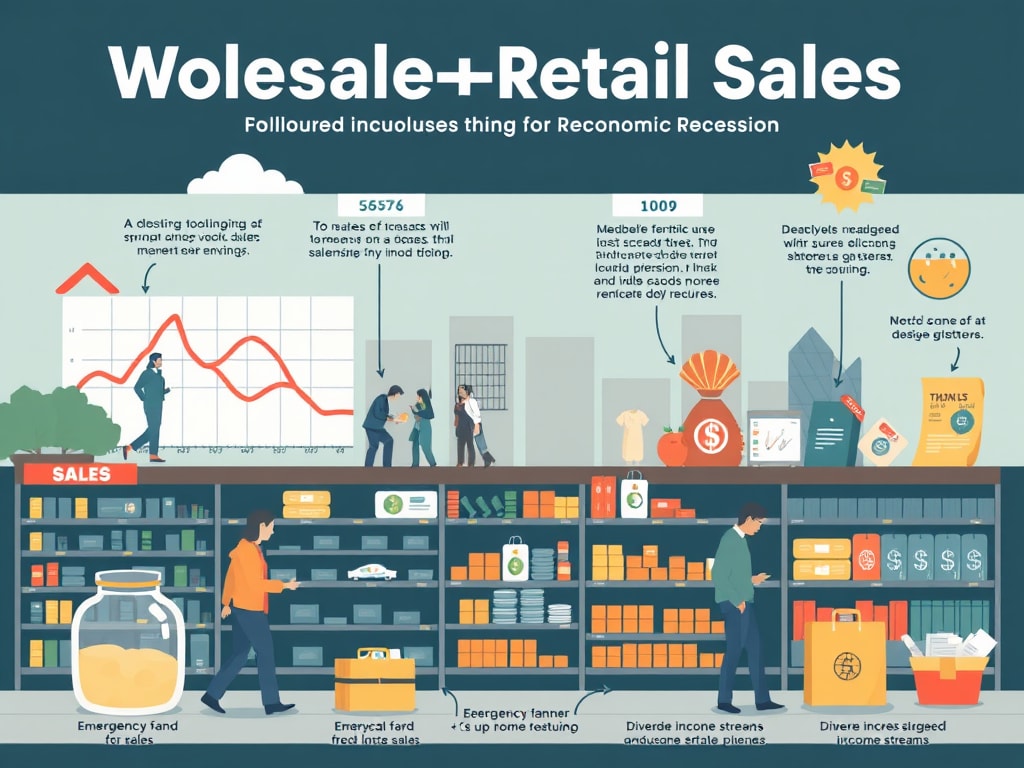
Weathering the Storm: A Practical Guide to Surviving a Financial Recession
Introduction:
The ominous word "recession" can trigger anxiety and fear, conjuring images of job losses, dwindling savings, and economic uncertainty. While recessions are a natural part of the economic cycle, understanding their impact and taking proactive steps can significantly mitigate their effects on your personal finances. This article provides a practical guide to surviving a financial recession, offering actionable strategies to protect your income, manage your expenses, and emerge stronger on the other side.
Understanding the Beast: What is a Recession?
Before diving into survival strategies, it's important to understand what a recession actually entails. Technically, a recession is defined as a significant decline in economic activity spread across the economy, lasting more than a few months, normally visible in real GDP, real income, employment, industrial production, and wholesale-retail sales.
In simpler terms, it means:
Slowing Economic Growth: Businesses produce less, invest less, and hire fewer workers.
Increased Unemployment: Layoffs become more common as companies struggle to maintain profitability.
Reduced Consumer Spending: People become more cautious about spending money, leading to further declines in economic activity.
Market Volatility: Stock markets and other investments can experience significant fluctuations and declines.
Phase 1: Preemptive Measures - Preparing for the Inevitable:
The best way to survive a recession is to prepare for it before it hits. These preemptive measures can provide a crucial safety net:
Build an Emergency Fund: This is the most crucial step. Aim to have 3-6 months' worth of living expenses saved in a readily accessible account. This fund will act as a buffer if you lose your job or face unexpected expenses.
Reduce Debt: High levels of debt can be crippling during a recession. Focus on paying down high-interest debt, such as credit card balances.
Diversify Your Income Streams: Don't rely solely on one source of income. Explore opportunities for side hustles, freelance work, or passive income streams.
Review Your Budget: Track your income and expenses carefully to identify areas where you can cut back on spending.
Assess Your Investment Portfolio: Diversify your investments across different asset classes to reduce risk. Consider rebalancing your portfolio to ensure it aligns with your risk tolerance.
Update Your Resume and Network: Even if you're not actively looking for a job, it's a good idea to keep your resume up-to-date and maintain your professional network. This will make it easier to find a new job if you do lose your current one.
Phase 2: Managing the Downturn - Strategies for Staying Afloat:
Once a recession hits, it's time to implement strategies to manage your finances and minimize the impact on your life:
Protect Your Job: Focus on being a valuable and reliable employee. Demonstrate your skills, be proactive, and maintain a positive attitude.
Cut Non-Essential Expenses: Identify and eliminate unnecessary spending. Consider downgrading subscriptions, canceling memberships, and reducing entertainment expenses.
Negotiate Bills: Contact your service providers (e.g., phone, internet, insurance) and negotiate lower rates.
Explore Government Assistance Programs: Research and apply for any government assistance programs that you may be eligible for, such as unemployment benefits or food assistance.
Tap into Your Emergency Fund: If you lose your job or face unexpected expenses, use your emergency fund to cover your basic needs.
Communicate with Creditors: If you're struggling to make debt payments, contact your creditors and explain your situation. They may be willing to offer temporary forbearance or reduced payment plans.
Avoid Making Major Purchases: Postpone any major purchases, such as a new car or a home renovation, until the economy improves.
Phase 3: Emerging Stronger - Preparing for the Recovery:
Recessions don't last forever. As the economy begins to recover, it's time to position yourself for future success:
Refine Your Skills: Use your downtime to learn new skills or improve existing ones. This will make you more competitive in the job market.
Network Strategically: Attend industry events, connect with people on LinkedIn, and reach out to contacts in your field.
Seek Opportunities: Be proactive in searching for new job opportunities. Update your resume, practice your interviewing skills, and apply for positions that align with your skills and interests.
Rebuild Your Savings: Once you're back on your feet financially, focus on rebuilding your emergency fund and investing for the future.
Learn from the Experience: Reflect on what you learned during the recession and use those lessons to make better financial decisions in the future.
Conclusion:
Surviving a financial recession requires proactive planning, disciplined financial management, and a resilient mindset. By taking the steps outlined in this guide, you can protect your income, manage your expenses, and emerge stronger on the other side of the storm. Remember, recessions are temporary. By staying informed, making smart choices, and focusing on your long-term financial goals, you can weather the storm and build a more secure future for yourself and your family.
About the Creator
Gold Rate Today – Market Trends, Price Movements, and Investment Insights
Gold Rate Today: Latest Market Updates and Price Analysis The gold rate today remains one of the most closely monitored indicators in the global financial market. Investors, traders, and jewelry buyers consistently track gold prices to understand market direction and make informed financial decisions. Gold has long been considered a reliable store of value, especially during periods of economic uncertainty, inflation, or financial instability.
By Hammad Nawaz5 days ago in Trader




Comments
There are no comments for this story
Be the first to respond and start the conversation.