
US and India reach trade deal, Trump says after Modi call
Economic diplomacy takes center stage following Trump–Modi discussions
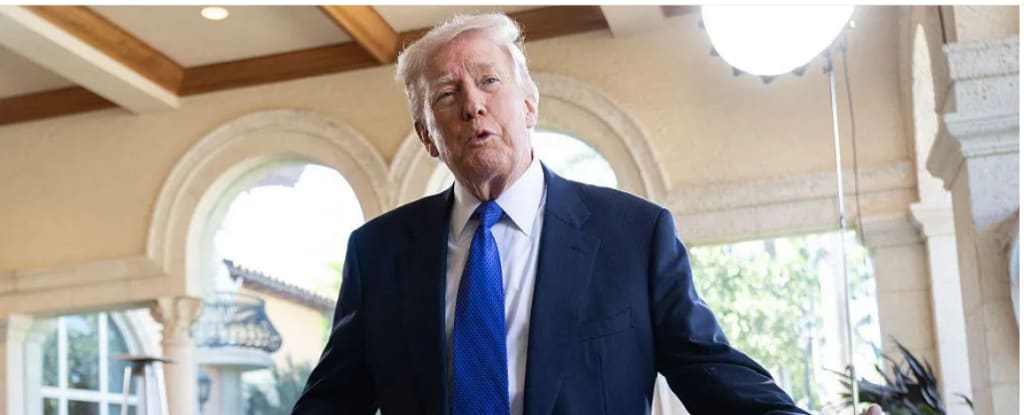
US and India Reach Trade Deal, Trump Says After Modi Call
The United States and India have reached a new trade agreement following a high-level phone call between former U.S. President Donald Trump and Indian Prime Minister Narendra Modi, according to Trump’s public statement. The announcement has drawn global attention, signaling a potential shift in economic cooperation between the world’s largest and fifth-largest economies at a time when global trade dynamics remain under pressure.
Although detailed terms of the agreement have not yet been released, early signals suggest the deal aims to address long-standing trade frictions while expanding market access and investment opportunities on both sides.
A Strategic Moment for Bilateral Trade
The timing of the announcement is significant. The global economy continues to face headwinds from inflation, supply chain realignments, and geopolitical tensions. Against this backdrop, stronger economic ties between the U.S. and India could provide stability and new growth opportunities.
Trade relations between the two countries have historically been complex. While bilateral trade has expanded rapidly over the past decade, disagreements over tariffs, market access, and regulatory standards have frequently stalled progress. Trump’s statement following the call with Modi suggests that both sides may now be willing to compromise to unlock further economic potential.
Key Areas Likely Covered by the Deal
While officials have not confirmed specifics, analysts expect the agreement to focus on several core areas. Market access for agricultural products has long been a sticking point, with the U.S. seeking greater entry into India’s large consumer base. In return, India has pushed for better access to U.S. markets for pharmaceuticals, textiles, and information technology services.
Manufacturing and defense cooperation may also play a role. India has been working to expand domestic manufacturing under its “Make in India” initiative, while the U.S. has sought to diversify supply chains away from overdependence on single markets. A trade deal could align these goals by encouraging joint ventures and technology transfers.
Technology and Digital Trade in Focus
Technology cooperation is expected to be another pillar of the agreement. India’s growing digital economy and the U.S.’s leadership in advanced technologies create natural areas for collaboration. Issues such as data governance, digital services, and intellectual property protection are likely to be addressed to support cross-border investment.
For American firms, clearer digital trade rules could reduce regulatory uncertainty in one of the world’s fastest-growing tech markets. For India, increased access to U.S. technology and capital could accelerate innovation and infrastructure development.
Political Implications of the Announcement
Trump’s announcement following a direct call with Modi highlights the political dimension of the deal. Both leaders have previously emphasized strong personal rapport, and that relationship appears to have played a role in advancing negotiations. The statement also reinforces the strategic partnership between the two nations beyond economics, including defense and regional security.
From a U.S. perspective, strengthening trade ties with India aligns with broader efforts to deepen partnerships in the Indo-Pacific region. For India, closer economic engagement with the U.S. supports its ambition to position itself as a key global manufacturing and investment hub.
Market Reaction and Business Expectations
Financial markets have responded with cautious optimism. Investors are watching closely for official confirmation and detailed documentation of the agreement. Sectors such as technology, pharmaceuticals, and industrial manufacturing are expected to benefit the most if trade barriers are reduced.
Business groups in both countries have welcomed the announcement, noting that improved trade relations could reduce costs, streamline regulations, and create new opportunities for small and medium-sized enterprises. However, they have also emphasized the importance of clarity, as implementation details will determine the real economic impact.
Challenges That Remain
Despite the positive tone, challenges remain. Trade agreements often face hurdles during implementation, particularly when domestic industries feel threatened by increased competition. In India, concerns over protecting local farmers and small manufacturers could influence how quickly certain provisions are adopted. In the U.S., scrutiny over trade deficits and job impacts may shape policy execution.
Regulatory alignment is another obstacle. Differences in standards, certification processes, and compliance requirements can limit the effectiveness of trade deals if not carefully addressed. Analysts caution that sustained political engagement will be necessary to ensure the agreement delivers long-term benefits.
A Broader Signal to Global Markets
Beyond bilateral trade, the announcement sends a broader signal to global markets. It suggests that major economies are still willing to pursue cooperation despite rising protectionism in many regions. At a time when global trade flows are being reshaped, the U.S.–India agreement could serve as a model for balancing national interests with international collaboration.
The deal also reinforces India’s growing role in global supply chains. As companies seek alternatives to traditional manufacturing hubs, India’s large workforce, expanding infrastructure, and policy reforms make it an increasingly attractive destination.
Looking Ahead
As more details emerge, attention will shift from headlines to execution. The success of the U.S.–India trade deal will depend on how effectively both governments translate political commitments into practical outcomes for businesses and consumers.
For now, Trump’s statement after the call with Modi has set a positive tone. If followed by concrete action, the agreement could mark a meaningful step forward in one of the most important economic relationships of the coming decade—reshaping trade, investment, and strategic cooperation between the United States and India.
About the Creator
Keep reading
More stories from muhmmed mairaj and writers in Trader and other communities.
IMF chief says global inflation to fall, trade integration is needed
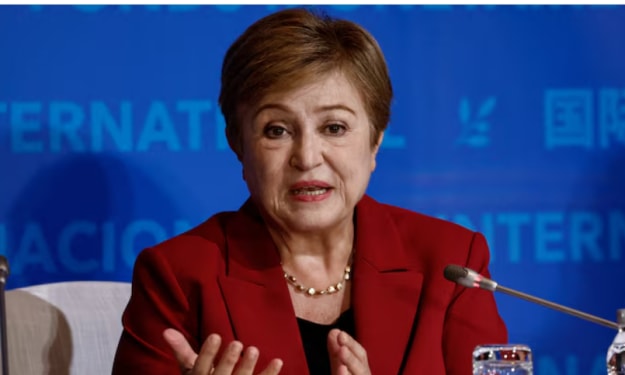
IMF Chief Says Global Inflation to Fall, Trade Integration Is Needed The global fight against inflation is showing signs of progress, according to the head of the International Monetary Fund (IMF), but the job is far from finished. IMF Managing Director Kristalina Georgieva recently stated that worldwide inflation is expected to continue declining, offering relief to households, businesses, and governments that have struggled with rising prices over the past several years. However, she emphasized that achieving lasting price stability will require deeper trade integration rather than economic fragmentation.
By muhmmed mairaj2 days ago in Journal
Carbon Removal Credits (CRC): Driving Net-Zero Futures
Abstract As global efforts to mitigate climate change intensify, achieving carbon neutrality has become a central objective for governments, corporations, and financial institutions. While emissions reduction remains the primary pathway, it is increasingly recognized that emission abatement alone is insufficient to meet mid-century net-zero targets. Carbon Removal Credits (CRC), which represent the verified removal of carbon dioxide from the atmosphere, have emerged as a critical complementary mechanism. This research report examines the concept, mechanisms, market development, and policy relevance of Carbon Removal Credits, analyzing their role in supporting carbon neutrality and fostering the transition toward a green economy. The report also evaluates key challenges and future prospects, offering insights into how CRC can be effectively integrated into climate strategies.
By Carbon Removal Credit(CRC)5 days ago in Trader
Trouble at the Tea Leafing Café
The rain had started right around the time that Annie was buttering her second thick slice of homemade toast for breakfast, and hadn’t paused since. Not that anyone could tell. The windows of the café were fogged over, and with every seat filled with happy customers munching on fresh baked pastries or steaming bowls of the delicious soup of the day, it was hardly surprising. Annie looked around the room, finally taking a moment to breathe after the lunch time rush. Her old life already felt like a bad memory, a part of her history, always, but just that. History.
By Hannah Moore5 days ago in Fiction


Comments
There are no comments for this story
Be the first to respond and start the conversation.