
United States Seafood Market Size & Forecast (2026–2034)
Health Trends, Sustainability, and Digital Channels Redefine America’s Seafood Industry

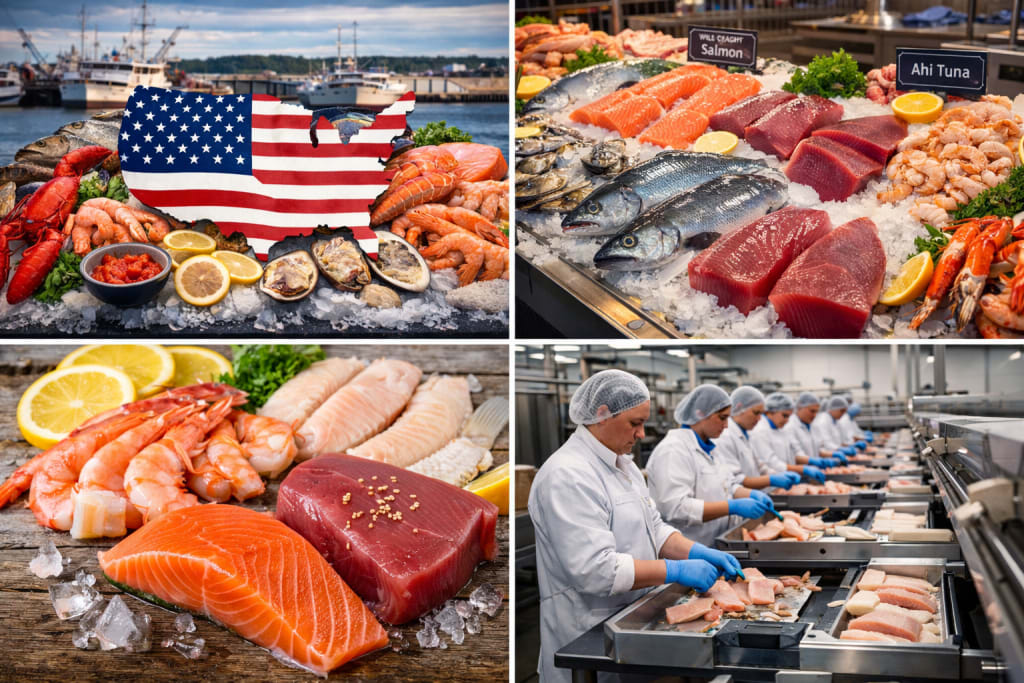
United States Seafood Market Overview
The United States seafood market is entering a phase of steady and resilient expansion, supported by changing consumer preferences, growing health awareness, and innovation across supply chains. According to Renub Research, the market is expected to grow from US$ 24.11 billion in 2025 to US$ 28.89 billion by 2034, registering a compound annual growth rate (CAGR) of 2.03% from 2026 to 2034.
This growth reflects more than just rising consumption—it highlights a structural shift in how Americans source, prepare, and value seafood. Increasing focus on nutrition, sustainability, and convenience is reshaping seafood purchasing decisions across retail, foodservice, and online channels. Advances in aquaculture, cold-chain logistics, and digital commerce are expected to play a central role in meeting evolving consumer expectations.
United States Seafood Market Outlook
Seafood refers to edible marine organisms, including fish, crustaceans, mollusks, and other aquatic species. In the U.S., popular seafood varieties include shrimp, salmon, tuna, crab, oysters, cod, and shellfish. Beyond culinary diversity, seafood is valued for its high protein content, omega-3 fatty acids, vitamins, and minerals, making it a preferred alternative to red meat.
Seafood consumption in the United States has traditionally been strongest in coastal regions, but inland demand has increased significantly due to improved distribution networks and growing exposure to global cuisines. Sushi bars, seafood festivals, and chef-driven menus have helped normalize seafood as an everyday protein source rather than an occasional indulgence.
Restaurants are increasingly prioritizing local, seasonal, and responsibly sourced seafood, aligning with consumer demand for transparency and sustainability. Additionally, nutrition-focused diets emphasizing lean protein have further strengthened seafood’s role in American food culture.
Key Growth Drivers in the United States Seafood Market
Rising Health and Wellness Awareness
Health consciousness remains one of the strongest drivers of seafood consumption in the U.S. Seafood’s association with heart health, brain development, and weight management has made it a staple in balanced diets. Public health campaigns and dietary guidelines frequently recommend seafood consumption, reinforcing its credibility as a nutritious food choice.
According to the National Fisheries Institute, Americans consumed 19.7 pounds of seafood per capita in 2022, with salmon reaching record consumption levels. Retailers such as Costco and Whole Foods have expanded ready-to-cook seafood offerings, while meal-kit services like Blue Apron and HelloFresh continue to introduce seafood-based recipes to home cooks.
Expansion of Aquaculture and Seafood Imports
Aquaculture growth is improving domestic seafood availability, particularly for salmon, catfish, and shellfish. At the same time, imports from Southeast Asia, Latin America, Canada, Norway, and Chile remain critical to meeting U.S. demand.
Programs such as the Seafood Import Monitoring Program (SIMP) strengthen traceability and prevent illegal or misrepresented seafood from entering U.S. markets. These measures support food security, protect marine ecosystems, and maintain consumer trust—essential factors for long-term market growth.
Growth of E-Commerce and Direct-to-Consumer Channels
Digital transformation is reshaping seafood retail. Online grocery platforms, specialty seafood e-commerce sites, and direct-to-consumer (DTC) brands now offer fresh, frozen, and specialty seafood with home delivery.
Subscription seafood boxes, enhanced cold-chain logistics, and transparency-driven branding have gained strong traction. In February 2024, the Seafood Nutrition Partnership launched its “Shipped Direct” initiative to promote DTC seafood brands, further accelerating online adoption. Convenience, traceability, and sustainability messaging are redefining how consumers engage with seafood.
Challenges Facing the United States Seafood Market
Sustainability and Overfishing Pressures
Environmental sustainability remains a critical concern. Overfishing, bycatch, and habitat degradation have drawn regulatory scrutiny and consumer activism. While eco-labels and certifications help address these issues, compliance often increases operational costs and restricts supply.
Failure to prioritize sustainable practices could undermine brand credibility and long-term market growth, making sustainability both a challenge and an opportunity.
Supply Chain Disruptions and Price Volatility
Seafood supply chains are vulnerable to climate variability, geopolitical instability, labor shortages, and fuel price fluctuations. Seasonal availability and logistics costs often translate into retail price volatility, affecting consumer demand and profitability.
Building resilient, diversified, and traceable supply chains will remain a strategic priority for industry stakeholders.
United States Fish Market
Fish remains the backbone of the U.S. seafood market, led by salmon, tuna, and cod. Salmon dominates due to its nutritional profile and culinary versatility, supported by strong imports and expanding aquaculture.
Consumer interest in locally sourced and sustainably caught fish continues to rise, driving diversification across retail and foodservice channels. The fish segment is expected to maintain its leadership position throughout the forecast period.
United States Shrimp Market
Shrimp is the most consumed seafood in the United States, making it a cornerstone of the overall market. Imports account for the majority of shrimp supply, with India, Ecuador, and Indonesia as leading exporters.
Demand is driven by convenience—peeled, deveined, frozen, and ready-to-cook shrimp dominate retail sales. Quick-service restaurants and casual dining chains continue to expand shrimp-based menu offerings. While disease management and sustainability remain challenges, aquaculture innovation supports long-term stability.
Fresh and Chilled Seafood Market
The fresh and chilled seafood segment benefits from consumer preference for quality, taste, and perceived nutritional value. Supermarkets are expanding seafood counters, while advancements in refrigeration and logistics extend shelf life nationwide.
Urban consumers, in particular, associate fresh seafood with premium dining and health benefits, supporting continued demand despite pricing pressures.
Frozen Seafood Market
Frozen seafood has gained widespread acceptance due to affordability, convenience, and year-round availability. Technological advancements now preserve texture, flavor, and nutritional value, narrowing the gap between fresh and frozen options.
Busy households increasingly rely on frozen fillets, shrimp, and ready-to-eat meals, making frozen seafood one of the fastest-growing segments in retail.
Online Seafood Market
The U.S. online seafood market is among the fastest-growing distribution channels. Consumers value doorstep delivery, broader product selection, and traceability information.
Subscription services and premium DTC brands are redefining customer engagement, while the post-pandemic shift toward online grocery shopping continues to support growth.
Seafood in Convenience Stores
Convenience stores are expanding seafood offerings to meet on-the-go demand. Ready-to-eat seafood snacks, frozen meals, and protein-rich packaged products appeal to urban and time-constrained consumers.
Although assortments remain limited compared to supermarkets, innovation in packaging and product formats is driving incremental growth.
State-Wise Market Insights
California Seafood Market
California leads U.S. seafood consumption, supported by a strong coastal fishing industry and a culturally diverse population. Sustainability initiatives and eco-labeling strongly influence purchasing behavior. The state also serves as a launch market for innovative seafood products, including cultivated seafood.
New York Seafood Market
New York’s large urban population and diverse foodservice sector drive strong seafood demand. Proximity to ports ensures steady supply, while e-commerce and specialty retailers continue to expand market reach.
New Jersey Seafood Market
New Jersey’s seafood market benefits from its established fishing industry and proximity to major metropolitan areas. Clams, scallops, and bluefish remain regional specialties, with sustainability and aquaculture gaining importance.
Market Segmentation
By Type:
Fish
Shrimps
Others
By Form:
Fresh/Chilled
Canned
Frozen
Processed
By Distribution Channel:
Off-Trade (Convenience Stores, Online, Supermarkets & Hypermarkets, Others)
On-Trade
Top States Covered:
California, Texas, New York, Florida, New Jersey, Washington, Massachusetts, Louisiana, and Rest of United States
Competitive Landscape
The U.S. seafood market features a mix of global leaders and domestic suppliers. Key players analyzed across five viewpoints—overview, key personnel, recent developments, SWOT, and revenue—include Admiralty Island Fisheries Inc., Beaver Street Fisheries, High Liner Foods Inc., Inland Seafood Inc., Mowi ASA, NH Foods Ltd, Sysco Corporation, Thai Union Group PCL, The Kraft Heinz Company, and Trident Seafoods Corporation.
Final Thoughts
The United States seafood market is positioned for stable, long-term growth through 2034. Rising health awareness, sustainable sourcing, digital commerce, and product innovation are redefining the industry’s future. While challenges such as supply chain volatility and environmental concerns persist, strategic investments in aquaculture, logistics, and transparency are strengthening market resilience.
With evolving consumer lifestyles and strong regulatory frameworks, seafood is set to remain a vital and growing component of the American food economy.
About the Creator
Tom Shane
Tom Shane is a content writer specializing in SEO-driven blogs, product descriptions, and thought leadership. He crafts engaging, research-backed content that connects with audiences and drives results.
UNH Stock Price: Market Analysis and Investment Insights
Introduction UnitedHealth Group Incorporated (UNH) is one of the largest healthcare companies globally, offering a range of health insurance products and services. As the healthcare sector continues to expand, investors increasingly track the UNH stock price to understand market trends, growth opportunities, and sector performance.
By Hammad Nawaz6 days ago in Trader
Australia Blockchain Market Set for Explosive Growth: From Niche Tech to Multi-Billion Dollar Infrastructure
The Australia blockchain market is entering a phase of unprecedented growth. According to IMARC Group’s latest industry forecast, the market was valued at USD 0.72 billion in 2024, and is expected to surge to USD 123.13 billion by 2033 — exhibiting an extraordinary compound annual growth rate (CAGR) of 67.30% during 2025–2033.
By Rashi Sharma5 days ago in Trader




Comments
There are no comments for this story
Be the first to respond and start the conversation.