
Understanding Pucca, Semi-Pucca, and Kutcha Houses in India
Understanding Pucca, Semi-Pucca, and Kutcha Houses in India
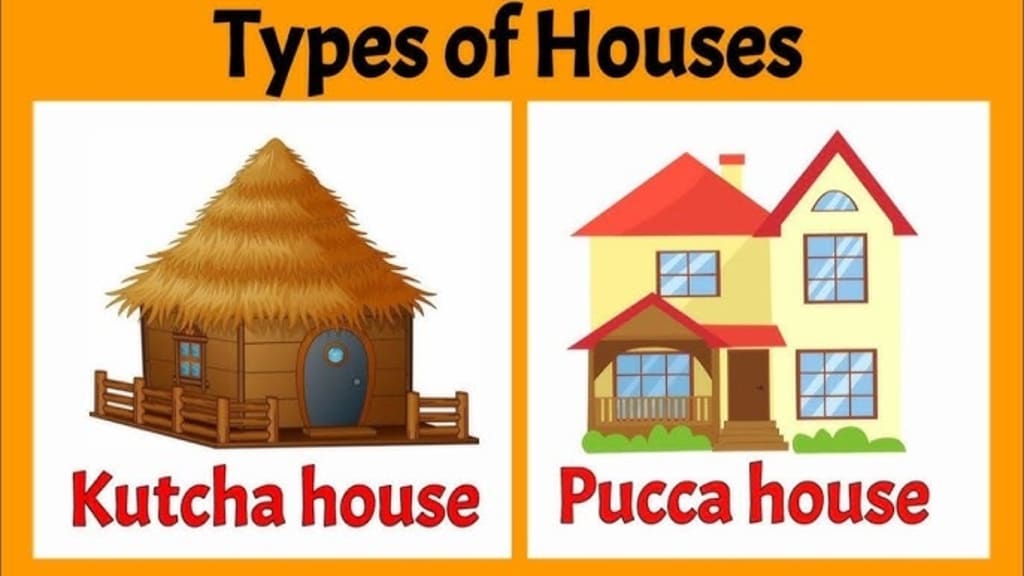
In India, the types of houses people live in vary widely based on geography, economy, culture, and climate. You’ve probably heard terms like pucca house and kutcha house, or even semi-pucca house — especially in government schemes, property documents, or rural housing discussions. But what exactly do these terms mean, and how are they different from each other?
Let’s break it down in simple words.
What is a Pucca House?
A pucca house (also spelled pukka house) is a permanent structure made with strong, long-lasting materials. These houses are built to last for many years and offer proper protection from weather conditions like rain, heat, cold, and wind.
Common materials used in pucca houses:
- Cement
- Bricks
- Concrete
- Steel
- Wood (treated)
- Stones
- Tiles or asbestos roofing
These houses are usually well-planned, have multiple rooms, a kitchen, bathroom, and even multiple floors. They are commonly found in urban areas, towns, and developed villages. Most middle-class and upper-class families live in pucca houses.
Examples of pucca houses:
- Independent bungalows
- Apartments and flats
- Duplex homes
- Villas
- Government quarters
- Key features of pucca houses:
- Strong foundations
- RCC (Reinforced Cement Concrete) roofs or tiled roofs
- Durable walls made of bricks or concrete
- Proper doors, windows, and sanitation systems
What is a Kutcha House?
On the other end, a kutcha house is a temporary or semi-permanent structure made using natural or raw materials that are not very durable. These houses are vulnerable to natural conditions and generally don’t last for many years unless frequently repaired.
Materials used in kutcha houses:
- Mud
- Bamboo
- Thatch
- Straw
- Plastic sheets
- Clay
Kutcha houses are mostly seen in rural areas, slums, or regions with low-income populations. They are often built by families who may not have the financial resources to build a permanent home.
Key features:
- Weak or no foundation
- Thatched or mud roofs
- No proper sanitation or water supply
- Walls made of mud, bamboo, or cow dung
What is a Semi-Pucca House?
As the name suggests, a semi-pucca house is somewhere in between a kutcha and a pucca house. It combines both temporary and permanent materials. These homes are partially durable but may still need maintenance and repair from time to time.
Common examples:
- A house with brick walls but a thatched roof
- Cemented flooring but tin or asbestos roofing
- One-room houses with limited infrastructure
Semi-pucca houses are quite common in developing areas or among families who are upgrading from kutcha to pucca homes. Many times, these homes are built with the intention of future expansion or improvement.
Why These Terms Matter
These classifications may seem basic, but they are extremely important for several reasons:
- Government Housing Schemes
The Indian government uses these terms to identify households that qualify for schemes like Pradhan Mantri Awas Yojana (PMAY), which aims to provide pucca houses for all by ensuring housing for low-income and economically weaker sections.
- Census and Surveys
In every census and housing survey, homes are categorized as pucca, kutcha, or semi-pucca to understand living standards, urbanization, and infrastructure needs.
- Property Loans and Insurance
Banks and insurance companies often check whether a house is pucca or semi-pucca before approving home loans or insuring the property. Pucca houses are considered more stable and less risky.
- Real Estate Valuation
Pucca houses hold more value in the property market. When you buy or sell a house, having a pucca construction can make a big difference in price and buyer interest.
Advantages of Pucca Houses
- Durability: They last for decades with minimal maintenance.
- Safety: More resistant to fire, floods, and storms.
- Comfort: Better insulation, protection from harsh weather, and more privacy.
- Amenities: Easier to install plumbing, electricity, ventilation, and internet.
- Legal ownership: Pucca homes are often registered and easier to document for legal and financial purposes.
- The Future: From Kutcha to Pucca
India is rapidly urbanizing, and there’s a growing effort to improve housing conditions across the country. Through public and private partnerships, many people are transitioning from kutcha or semi-pucca houses to full pucca homes. This shift is not just about buildings — it’s about dignity, security, and better living conditions for millions.
Conclusion
Understanding the difference between pucca, semi-pucca, and kutcha houses is essential, especially if you’re involved in real estate, urban planning, rural development, or simply exploring your housing options.
A pucca house represents stability, comfort, and long-term investment. A semi-pucca house shows progress and transition. A kutcha house reflects the beginning of a housing journey that can hopefully lead to a better future.
As India continues to grow, the dream of owning a pucca house is becoming more real for everyone, one brick at a time.
About the Creator
Keep reading
More stories from Ankit Rajput and writers in Trader and other communities.
Pune Real Estate: The Smart Investor’s Choice for 2025
The real estate market in India is rapidly evolving, and one city that continues to attract investors and homebuyers alike is Pune. With its mix of modern infrastructure, educational institutions, IT hubs, and cultural richness, the Pune real estate landscape has become a hotspot for growth and stability.
By Ankit Rajput10 months ago in Trader
Australia Corporate Wellness Market Set to Expand Significantly Through 2033
The Australia corporate wellness market achieved a valuation of USD 2.0 billion in 2024 and is forecast to climb to USD 3.6 billion by 2033, representing a compound annual growth rate (CAGR) of 6.30% between 2025 and 2033. This upward trajectory highlights the increasing prioritization of employee health and wellness among Australian organisations, driven by broader workplace wellbeing trends, mental health awareness, and evolving delivery models. As employers strive to enhance productivity, reduce absenteeism, and attract talent, comprehensive wellness initiatives are becoming a staple of corporate strategy rather than optional benefits.
By Rashi Sharma5 days ago in Trader




Comments
There are no comments for this story
Be the first to respond and start the conversation.