
Understanding Key Systems in Lockout Tagout: Importance and Applications
Lockout Tagout
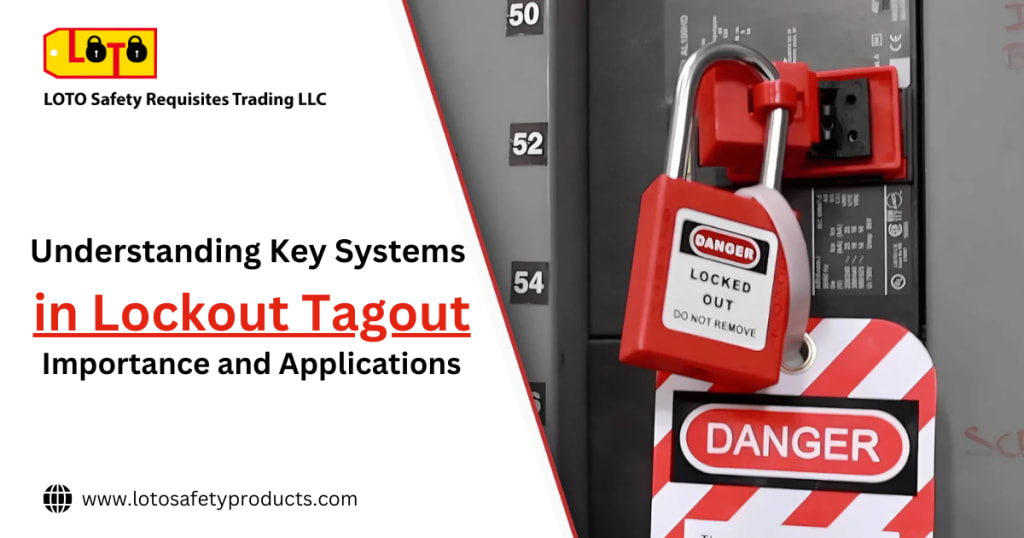
In the realm of workplace safety, Lockout Tagout (LOTO) is a critical procedure designed to ensure that machinery and equipment are properly shut off and remain inoperative during maintenance or servicing. At the heart of an effective LOTO program lies the use of safety padlocks, and a vital component of these padlocks is their key systems. Understanding the different keying systems and their applications can significantly enhance the efficiency and security of your LOTO program. In this blog, we’ll dive deep into the three primary key systems used in LOTO—Keyed Differently (KD), Keyed Alike (KA), and Master Keyed (MK)—exploring their features, importance, and specific applications.
1. Keyed Differently (KD) System
The Keyed Differently system is one of the most commonly used configurations in LOTO safety padlocks. In this system, each padlock has a unique key that does not open any other padlock in the set. This ensures that every lockout point is secured individually, preventing un-authorized access or accidental reactivation of machinery.
Importance of Keyed Differently System:
• Individual Responsibility: With KD padlocks, each worker is responsible for their own lock and key, ensuring personal accountability.
• Enhanced Security: Unique keys eliminate the risk of one key being used to unlock multiple padlocks, making it ideal for critical safety applications.
• Compliance with OSHA Standards: Regulatory bodies like OSHA emphasize the importance of individual locks for each employee, which the KD system supports.
Applications:
• Maintenance of complex machinery with multiple energy isolation points.
• Scenarios where multiple workers are involved in a task and need to secure their own lockout points independently.
• Industries with strict compliance requirements, such as oil and gas, chemical processing, and manufacturing.
2. Keyed Alike (KA) System
In the Keyed Alike system, multiple padlocks can be opened using the same key. This setup simplifies key management by reducing the number of keys needed to control a group of locks.
Importance of Keyed Alike System:
• Convenience: Workers need only one key to unlock multiple locks, streamlining operations.
• Efficiency: The KA system saves time, especially in applications where frequent lockouts and reactivations are required.
• Simplified Key Management: Fewer keys mean less chance of losing keys, reducing operational delays.
Applications:
• Equipment maintenance where a single worker needs to isolate multiple energy sources.
• Situations requiring quick reactivation, such as facility maintenance and utility operations.
• Environments where key storage and distribution are centralized for easier tracking.
3. Master Keyed (MK) System
The Master Keyed system is a hybrid approach that combines the advantages of the KD and KA systems. Each padlock can have its own unique key (like KD), but all padlocks in the system can also be opened by a master key.
Importance of Master Keyed System:
• Emergency Access: In critical situations, supervisors or safety officers can use the master key to unlock padlocks without delay.
• Controlled Oversight: The MK system allows management to maintain oversight without undermining individual responsibility.
• Enhanced Flexibility: It supports complex lockout scenarios where different levels of access are required.
Applications:
• Large facilities with multiple teams and layers of supervision, such as power plants, refineries, and large manufacturing units.
• Scenarios where rapid access may be required for emergency shutdowns or equipment troubleshooting.
• Situations involving contractors or temporary workers where a supervisor may need control over all locks.
Choosing the Right Key System
The choice of key system depends on several factors, including the complexity of your lockout procedures, the size of your workforce, and the specific hazards present in your workplace. Here are some key considerations:
• Workforce Size: For larger teams, the KD system ensures individual accountability, while the MK system provides supervisory control.
• Frequency of Lockouts: If lockouts are frequent and involve the same set of equipment, the KA system can save time and effort.
• Emergency Preparedness: In facilities where emergencies are a concern, the MK system allows supervisors to act quickly.
• Compliance Requirements: Always ensure that your chosen key system aligns with OSHA or other regulatory standards to avoid penalties and enhance safety.
Benefits of Proper Key Management in LOTO
Effective key management is essential to the success of your LOTO safety program. Mismanagement can lead to unauthorized access, safety breaches, and operational delays. Here are some benefits of implementing the right key system:
1. Improved Safety: Ensuring that the right key system is in place minimizes the risk of accidental reactivation of machinery.
2. Operational Efficiency: Key systems like KA and MK streamline workflows by simplifying access management.
3. Regulatory Compliance: Adhering to safety standards protects your organization from legal and financial repercussions.
4. Enhanced Accountability: Systems like KD foster a culture of individual responsibility among workers.
Conclusion
Key systems in Lockout Tagout are more than just a convenience; they are an integral part of ensuring workplace safety and efficiency. Whether you opt for the Keyed Differently, Keyed Alike, or Master Keyed system, each configuration offers unique benefits tailored to specific applications. By carefully evaluating your facility’s needs and aligning them with the right key system, you can enhance the effectiveness of your LOTO program and create a safer working environment.
For high-quality LOTO padlocks and expert guidance on implementing the right key systems, contact us today. Together, we can build a safer workplace!
About the Creator
Dow Jones Industrial Average Updates: Key Gains, Losses, and Market News
The Current Dow Jones index is one of the most watched indicators in the financial world. It reflects the performance of 30 major companies in the United States, giving investors and analysts a quick snapshot of market trends.
By Safdar meyka3 days ago in Trader
The idea that regulation would kill crypto is starting to feel outdated
shared standards, no real agreement on what these assets even were. That uncertainty fed everything else. Volatility, scandals, and the lingering idea that this was all just speculation dressed up as innovation.
By crypto genie4 days ago in Trader



Comments
There are no comments for this story
Be the first to respond and start the conversation.