
Understanding Cryptocurrency: A Comprehensive Explanation of the Digital Currency Revolution
Benefits, Risks, and Potential of Blockchain-based Money in Today's Economy
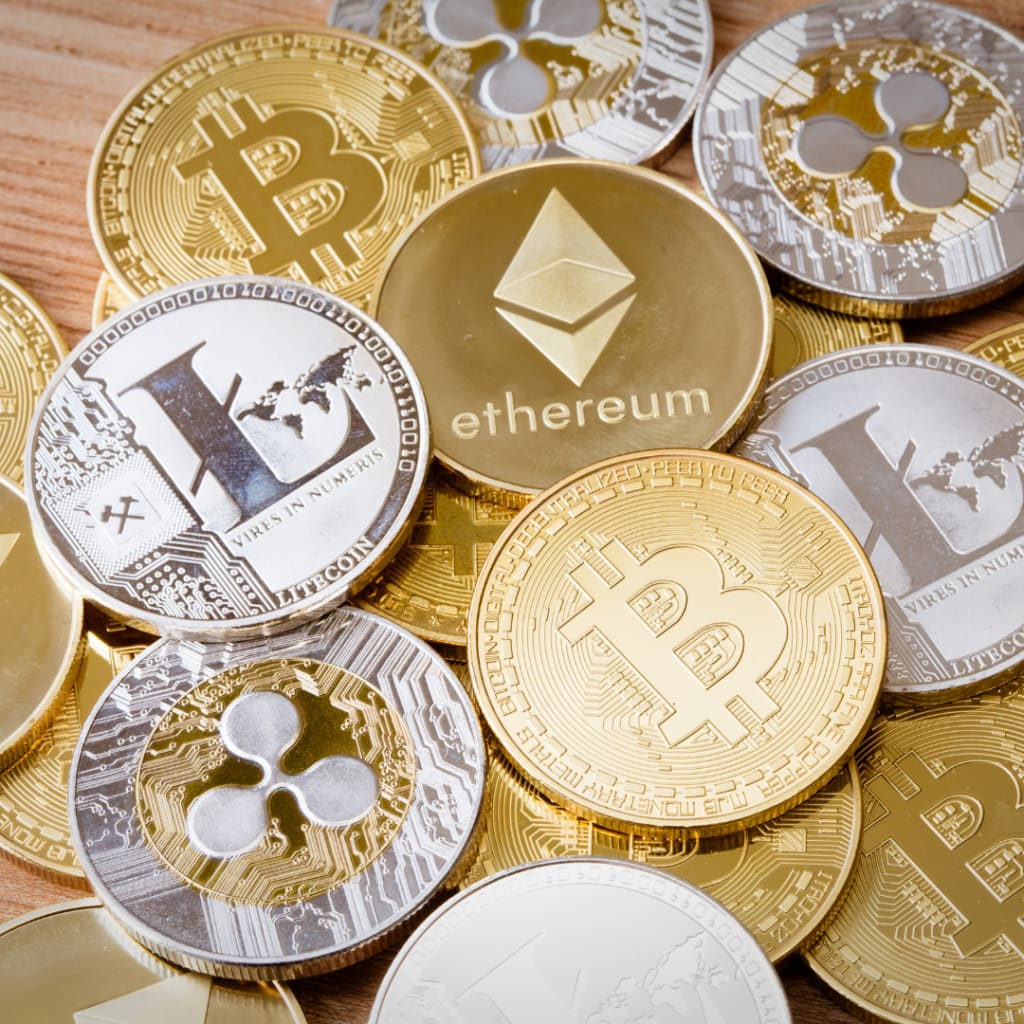
Cryptocurrency is a digital or virtual currency that is secured by cryptography, which makes it difficult to counterfeit or double-spend. It operates independently of a central bank and is based on a decentralized ledger technology called a blockchain. The most popular and well-known cryptocurrency is Bitcoin, but there are thousands of other cryptocurrencies in existence.
The concept of cryptocurrency was first introduced in 2008 when an individual or group of individuals using the pseudonym "Satoshi Nakamoto" published a paper describing a decentralized digital currency called Bitcoin. This was followed by the release of the Bitcoin software in 2009, which allowed individuals to mine and trade Bitcoin.
Bitcoin, and most other cryptocurrencies, use blockchain technology, which is a decentralized ledger that records transactions across a network of computers. Each block in the chain contains multiple transactions and once a block is added to the chain, it cannot be altered without changing all subsequent blocks. This makes the blockchain an immutable and transparent record of all transactions that have taken place.
One of the key features of cryptocurrency is that it is decentralized, meaning that it is not controlled by any central authority, such as a government or a bank. Instead, transactions are verified and processed by a network of nodes that work together to maintain the blockchain. This decentralization provides several benefits, including greater security, transparency, and privacy.
One of the main advantages of cryptocurrency is that it allows for fast and cheap transactions, particularly for cross-border payments. Traditional banking systems can be slow, expensive, and subject to currency exchange fees and regulations. Cryptocurrency, on the other hand, can be sent anywhere in the world instantly and with low fees.
Another advantage of cryptocurrency is that it can be used as a store of value and as a hedge against inflation. Traditional currencies, such as the US dollar or the euro, are subject to inflation, which reduces their purchasing power over time. Cryptocurrency, on the other hand, has a limited supply, with some cryptocurrencies having a maximum supply cap. This means that the value of the cryptocurrency can potentially increase over time, making it a valuable investment opportunity.
However, cryptocurrency is also subject to significant volatility, with its value fluctuating wildly in short periods of time. This volatility is often driven by speculative trading and is a major risk for investors. Additionally, the lack of regulation and oversight in the cryptocurrency market means that it is susceptible to fraud, scams, and hacking attacks.
Despite these risks, many people have become interested in investing in cryptocurrency, with the market capitalization of all cryptocurrencies reaching over $2 trillion in 2021. Some investors see cryptocurrency as a new asset class, similar to gold or real estate, and believe that it can provide diversification and long-term growth opportunities for their portfolios.
However, investing in cryptocurrency requires a significant understanding of the market and its risks. Investors should be prepared to lose all of their investments and should only invest what they can afford to lose. Additionally, investors should carefully research the cryptocurrencies they are interested in, as not all cryptocurrencies are created equal and some may have little to no utility or value.
In conclusion, cryptocurrency is a digital or virtual currency that is secured by cryptography and operates independently of a central authority. It uses blockchain technology to record transactions across a decentralized network of computers, providing greater security, transparency, and privacy. While it has several advantages, such as fast and cheap transactions and the potential to serve as a store of value, it is also subject to significant volatility and risks, making it a potentially risky investment opportunity. As with any investment, investors should carefully research the market and its risks before investing in cryptocurrency.
About the Creator
Keep reading
More stories from Parthosh Raj R and writers in Trader and other communities.
Natalie's Freedom
Natalie had been on the run for what seemed like forever. She had escaped her abusive husband, but he was never far behind. She had moved from city to city, constantly changing her identity, but he always managed to track her down. That's when she decided to take matters into her own hands.
By Parthosh Raj R3 years ago in Families
Shriram Finance Share: Stock Performance, Company Growth, and Investor Outlook
The Shriram Finance Limited has become one of the most discussed stocks in India’s financial sector. Investors looking for updates on Shriram Finance share are often interested in the company’s consistent earnings growth, strong lending operations, and expanding market presence. As a major non-banking financial company (NBFC), Shriram Finance has built a reputation for serving customers who often have limited access to traditional banking services.
By Hammad Nawaz2 days ago in Trader
Becca
"Everything is so... flat." Denille said stupidly as she looked around her new neighborhood. She looked around at the muted desert where even the smallest sign of life seemed to have given up. The plant life was shrubs that were half cooked by the heat and where there should have been a lawn, a mess of white rocks laid glistening in the sun. Even the sky looked stretched thin, like the sun had ironed it smooth. She’d moved from Riverside, where at least there were hills, but here in Barstow, everything felt baked and brittle.
By Sara Wilson7 days ago in Fiction




Comments
There are no comments for this story
Be the first to respond and start the conversation.