
Truck Owner Operator Business: Opportunities and Risks You Should Know
A Practical Guide to Building Your Own Trucking Business as an Owner Operator

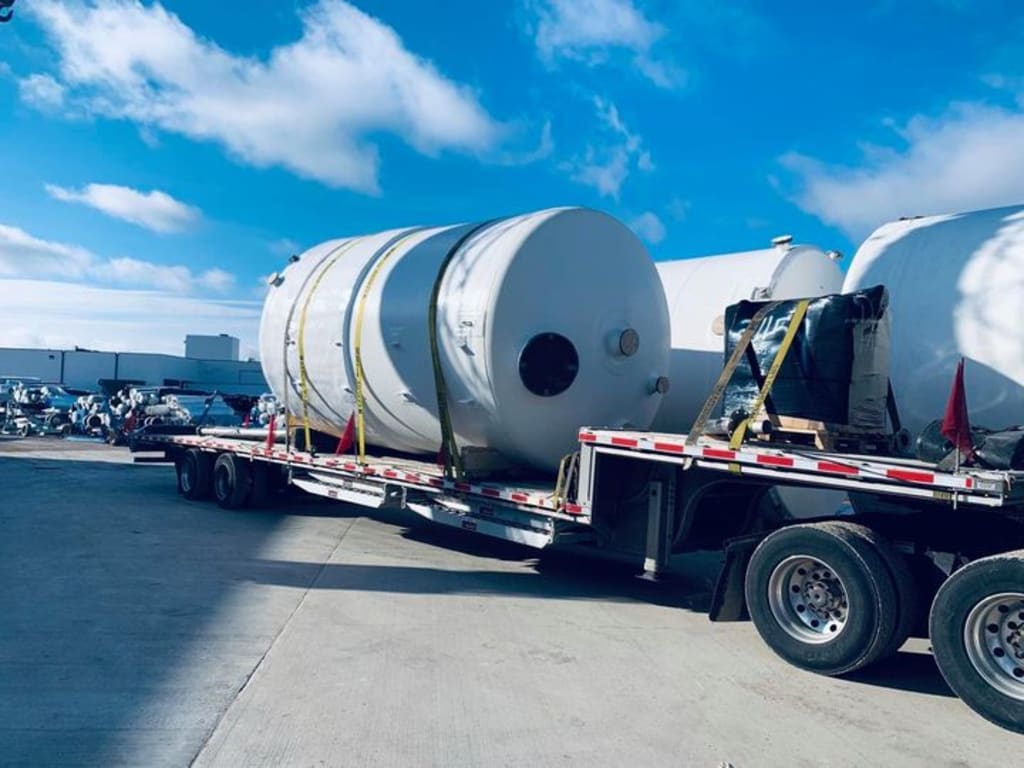
Thinking about becoming a truck owner-operator? You're not alone. Many drivers dream of being their own boss, choosing their own loads, and building a trucking business on their terms. But with big rewards come big responsibilities. If you’re serious about jumping into the owner-operator world, it pays to understand both the potential and the pitfalls.
In this post, we’ll break down the opportunities, the risks, and what you need to think about before going all in.
What Is a Truck Owner-Operator?
A truck owner-operator is a self-employed driver who owns and operates their own trucking equipment. Unlike company drivers who work for a carrier and drive someone else’s truck, owner-operators either lease their equipment to a carrier or work independently under their own authority.
There are generally two paths:
Leased Owner-Operator: You lease your truck to a carrier, who handles much of the logistics.
Independent Owner-Operator: You run under your own authority and book your own loads. This gives you more freedom but also more responsibility.
Opportunities for Owner-Operators
1. Be Your Own Boss
Arguably the biggest draw. You control your schedule, the routes you take, and who you work with. No more dispatchers breathing down your neck. That freedom is priceless for many.
2. Higher Income Potential
Owner-operators can earn significantly more than company drivers. According to industry data, owner-operators often bring in $100,000 or more annually in gross revenue. Just keep in mind that not all of it is profit—you have to cover your expenses.
3. Tax Advantages
As a business owner, you can deduct many expenses—fuel, maintenance, insurance, depreciation, and even meals and lodging. With good bookkeeping, this can mean big savings at tax time.
4. Niche Market Opportunities
Specialized freight means less competition and higher rates. For instance, investing in a step deck trailer opens doors to oversized loads that can’t be carried on a standard flatbed. These loads often pay better and are in demand across the U.S.
5. Long-Term Wealth Building
With the right strategy, you can grow beyond a one-truck operation. Some owner-operators eventually hire drivers, expand their fleet, and run a full-fledged trucking company.
Risks of Becoming an Owner-Operator
1. High Startup Costs
Buying a truck isn’t cheap. A new rig can cost upwards of $150,000, while a used one might still set you back $40,000 to $80,000. Add insurance, permits, and registration, and your initial investment is substantial.
2. Maintenance and Repairs
As an owner-operator, you're responsible for all maintenance. A blown tire or a failed transmission can mean thousands in unexpected costs. Regular upkeep is essential, but you still need to budget for breakdowns.
3. Fluctuating Fuel Prices
Fuel is your biggest expense. While you can write it off, sudden spikes can eat into your profits. Some owner-operators use fuel surcharge agreements to help offset costs, but it's still a risk to plan for.
4. Inconsistent Cash Flow
You might have a great month followed by a dry spell. Customers may also delay payments, which makes it harder to budget. Cash flow management is one of the biggest challenges for any independent trucker.
5. Regulatory Compliance
From DOT inspections to hours-of-service rules, compliance is no joke. If you’re running under your own authority, the paperwork and regulations can get overwhelming. Failing to stay compliant could cost you big.
6. Work-Life Balance
Being your own boss often means long hours on the road, especially when you're starting out. The freedom you wanted can sometimes lead to burnout if you’re not careful with your schedule.
What You Need to Get Started
1. Commercial Driver’s License (CDL)
This is non-negotiable. You need a valid CDL for the class of vehicle you plan to drive.
2. Reliable Truck and Trailer
Choose wisely. Whether you go new or used, the equipment must meet safety standards and be reliable enough to keep you moving. Specialized trailers like step deck trailers offer flexibility and access to higher-paying loads.
3. DOT Number and MC Authority
If you're going independent, you’ll need to register with the Federal Motor Carrier Safety Administration (FMCSA) for your DOT and MC numbers. These are your legal ticket to haul interstate freight.
4. Insurance Coverage
You'll need several types: liability, cargo, physical damage, and maybe bobtail insurance. Costs vary depending on your driving history and equipment.
5. Business Plan and Budget
Success doesn’t happen by accident. Lay out your business plan, figure out your costs, and set revenue goals. A solid budget helps you stay profitable.
6. Load Boards and Broker Contacts
To keep your rig moving, you need loads. Load boards are a good starting point, but building direct relationships with brokers and shippers can help you get better-paying freight.
Tips for Success
1. Know Your Operating Costs
Before you set your rates or accept a load, know your cost per mile. This includes fuel, maintenance, insurance, and even downtime. If you don’t know your numbers, you’re flying blind.
2. Build a Maintenance Fund
Set aside money regularly for repairs. It’s not a matter of if your truck will break down—it’s when.
3. Use Technology
From GPS tracking to fuel management apps, tech tools help you stay efficient. Use ELDs (Electronic Logging Devices) to track hours and avoid violations.
4. Network with Other Drivers
The trucking community is tight-knit. Join online forums, attend industry events, and connect with other owner-operators. You’ll pick up advice and maybe even your next load.
5. Stay Healthy
Long hours behind the wheel can take a toll. Eat well, get some exercise, and take breaks. A healthy driver is a productive driver.
Is Being an Owner-Operator Right for You?
It depends. If you love driving, have an entrepreneurial spirit, and are willing to handle the business side of things, it could be a great move. But it’s not for everyone. Some drivers find that the stress and responsibility outweigh the benefits.
Ask yourself:
- Can I handle financial ups and downs?
- Am I disciplined enough to manage my own business?
- Do I enjoy the freedom enough to make the risks worth it?
If the answer is yes, then becoming an owner-operator might be your path to independence and higher earnings.
Trucking on Your Terms
Becoming a truck owner-operator isn’t just about driving—it’s about building a business. The journey can be challenging, but it’s also one of the most rewarding paths in the industry. If you prepare wisely, stay informed, and keep a strong work ethic, you’ll be better equipped to handle the road ahead.
Whether running standard hauls or diving into specialized freight with a step deck trailer, your future is in your hands. Take control, stay sharp, and drive your business forward—one mile at a time.
About the Creator
Irakli Antidze
SEO Specialist with 10+ years of experience optimizing online presence across industries. Passionate about search algorithms, content strategy, and digital marketing trends.
Keep reading
More stories from Irakli Antidze and writers in Trader and other communities.
Exploring the World in 2025: Hidden Gems and Unforgettable Expirience
Travel in 2025 has reached a thrilling new chapter. With innovative technology, sustainable practices, and an increasing emphasis on authentic experiences, today’s travelers seek destinations that speak to their sense of wonder. While iconic landmarks remain popular, there is something magical about exploring lesser-known treasures—hidden gems tucked away from bustling crowds.
By Irakli Antidzeabout a year ago in Earth
Australia Cosmetics Market: Beauty Demand, Innovation & Consumer Trends
Australia Cosmetics Market Overview The Australia cosmetics market is experiencing robust growth as consumer interest in beauty, personal grooming and wellness continues to rise. Cosmetics — including makeup, skin care, fragrances, hair care and colour cosmetics products — are essential components of modern personal care routines. The Australia cosmetics market size reached USD 8.40 Billion in 2024. Looking forward, the market is expected to reach USD 12.62 Billion by 2033, exhibiting a growth rate (CAGR) of 4.63% during 2025-2033. This growth reflects increasing beauty awareness, evolving product innovations, strong omni-channel retail presence and a younger population segment that places higher value on appearance, self-care and premium beauty experiences.
By Amyra Singh8 days ago in Trader
Smart phones, Humans and Aliens.
WARNING. I will be tapping into one of your favorite creative tensions: The absurdity of humans worshipping their glowing rectangles as if they were tiny oracles. There’s something deliciously poetic about that contradiction, and it lends itself beautifully to an instructive proviso.
By Novel Allen6 days ago in Poets


Comments
There are no comments for this story
Be the first to respond and start the conversation.