
Trading vs Buying and Holding Stocks: Which Strategy is Right for You?
A comprehensive analysis of the pros and cons of trading and buying and holding stocks as investment strategies, including key factors to consider when choosing between these approaches.

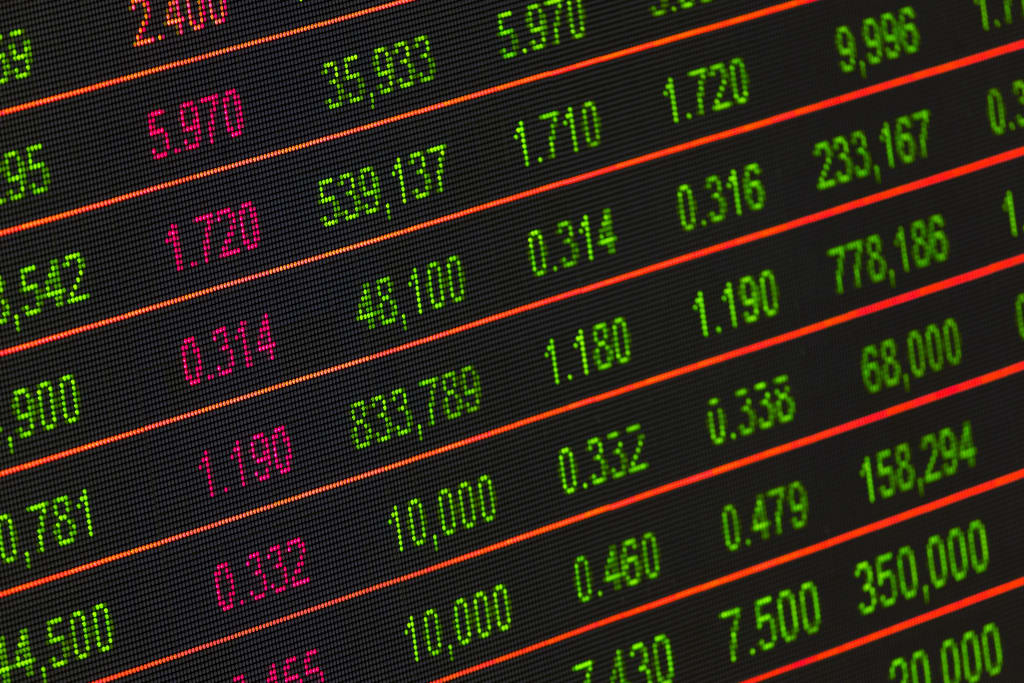
When it comes to investing in stocks, there are two primary strategies: trading and buying and holding. While both approaches involve investing in stocks, they differ significantly in terms of their goals, timeframes, and risk profiles. In this article, we will explore the differences between trading and buying and holding stocks, and weigh the pros and cons of each strategy.
Trading Stocks:
Trading stocks involves buying and selling stocks frequently, with the goal of profiting from short-term fluctuations in the market. Traders typically focus on technical analysis, using charts and other tools to identify patterns and trends in stock prices. They often use leverage, or borrowed money, to amplify their gains or losses, and may engage in complex strategies like options trading.
Pros of Trading:
Potential for High Returns: Trading stocks can be highly profitable, especially for skilled traders who are able to make accurate predictions about short-term market movements.
Flexibility: Trading can be done from anywhere, as long as you have an internet connection. It is also possible to trade stocks on a part-time basis, making it a good option for those with other commitments.
Excitement: Trading can be an exciting and fast-paced activity, offering the potential for big gains and losses in a short period of time.
Cons of Trading:
High Risk: Trading is a high-risk activity, and traders can lose money quickly if they make incorrect predictions about the market. Leverage can amplify losses, leading to large debts and financial ruin.
Time-Consuming: Trading requires constant monitoring of the market, which can be time-consuming and stressful.
Taxes: Frequent trading can lead to significant taxes, as short-term capital gains are taxed at a higher rate than long-term gains.
Buying and Holding Stocks:
Buying and holding stocks, also known as "passive investing," involves purchasing stocks with the intention of holding them for the long term. This strategy is based on the belief that, over time, the stock market will continue to grow and provide steady returns, despite short-term fluctuations.
Pros of Buying and Holding:
Lower Risk: Buying and holding stocks is a lower-risk strategy than trading, as it involves holding stocks for the long term and weathering short-term market fluctuations.
Lower Costs: Buying and holding stocks typically involves lower costs than trading, as it does not require frequent trading or complex strategies.
Lower Taxes: Long-term capital gains are taxed at a lower rate than short-term gains, making buying and holding stocks a more tax-efficient strategy.
Cons of Buying and Holding:
Lower Potential Returns: While buying and holding stocks can provide steady returns over the long term, it may not offer the same potential for high returns as trading.
Limited Flexibility: Buying and holding stocks requires a long-term commitment to specific stocks or funds, which may limit your ability to adapt to changes in the market.
Boredom: Buying and holding stocks can be a less exciting and engaging activity than trading, as it does not involve frequent buying and selling.
Which Strategy is Right for You?
Ultimately, the decision to trade or buy and hold stocks depends on your individual financial goals, risk tolerance, and time horizon. If you are looking for high potential returns and are willing to accept high risk, trading may be a good option for you. However, if you are more focused on long-term stability and lower risk, buying and holding stocks may be a better fit. It is also possible to combine both strategies, using trading to supplement your long-term portfolio with higher-risk, higher-reward investments.
In summary, both trading and buying and holding stocks offer pros and cons, and investors should carefully consider their own financial goals and risk tolerance before choosing a strategy. It is also important to remember that investing in stocks carries inherent risks, and it is important to educate yourself on market trends and news, diversify your portfolio, and seek professional advice if needed. Here are some additional factors to consider when choosing between trading and buying and holding stocks:
Time Horizon:
One of the biggest differences between trading and buying and holding stocks is time horizon. Traders typically hold stocks for days, weeks, or months at most, while long-term investors may hold stocks for years or even decades. If you have a shorter time horizon and are looking for quick profits, trading may be a better fit. However, if you have a longer time horizon and are looking for steady, long-term growth, buying and holding may be the better option.
Risk Tolerance:
Another key factor to consider is your risk tolerance. Trading is a high-risk activity, and traders must be prepared to accept the possibility of significant losses. If you are risk-averse or have a low tolerance for volatility, buying and holding may be a better option, as it offers more stability and lower risk. However, if you are comfortable with risk and have the knowledge and skills to make informed trades, trading may offer the potential for higher returns.
Market Knowledge:
Both trading and buying and holding require a solid understanding of the stock market and how it works. However, traders may need more specialized knowledge of technical analysis, options trading, and other complex strategies. If you are a beginner investor or do not have a strong background in finance, buying and holding may be a better starting point, as it is a simpler and more straightforward strategy.
Transaction Costs:
Transaction costs, including commissions, fees, and taxes, can significantly impact the profitability of both trading and buying and holding strategies. Traders may incur higher costs due to frequent trades and complex strategies, while long-term investors may face lower costs due to less frequent trading. It is important to factor in transaction costs when deciding on a strategy and to seek out low-cost options whenever possible.
Market Volatility:
The stock market can be volatile, with prices fluctuating rapidly and unpredictably. Traders may be able to take advantage of short-term market fluctuations, but they must be prepared to weather losses as well. Long-term investors may be better able to weather market volatility, as they can hold onto their investments through downturns and wait for prices to recover. However, it is important to remember that even long-term investments can be impacted by market volatility, and diversification is key to mitigating risk.
Conclusion:
In summary, trading and buying and holding are two different strategies for investing in stocks, each with its own pros and cons. Ultimately, the choice between these strategies depends on your individual financial goals, risk tolerance, and time horizon. It is important to educate yourself on market trends and news, diversify your portfolio, and seek professional advice if needed. Whether you choose to trade, buy and hold, or combine these strategies, the most important thing is to make informed decisions based on your own financial situation and goals.
About the Creator
Word Weaver
By reading more from me, you can learn new things and gain valuable insights. So, let's explore together!
Keep reading
More stories from Word Weaver and writers in Trader and other communities.
The Future of Gold: Factors Affecting the Price and Predictions for the Next Few Years
Introduction: Gold has been a valuable commodity for centuries, with its value being influenced by various factors such as supply and demand, economic conditions, geopolitical events, and investor sentiment. In recent years, gold prices have seen significant fluctuations due to a range of factors, such as economic uncertainty and changes in interest rates. In this article, we will explore the various factors that impact the price of gold and attempt to predict where its price may go in the future.
By Word Weaver 3 years ago in Trader
Water & Wastewater Treatment Market Size and Forecast 2025–2033
Access to clean and safe water has become one of the most pressing global priorities of the 21st century. Rapid urbanization, industrial expansion, environmental pollution, and climate change are intensifying pressure on freshwater resources worldwide. As a result, governments, industries, and municipalities are investing heavily in technologies that ensure water safety, sustainability, and reuse. These factors are collectively fueling strong growth in the global water and wastewater treatment market.
By Sakshi Sharmaa day ago in Trader
United States Risk Analytics Market Size to Hit USD 28,411.7 Million by 2034: Trends & Forecast
United States Risk Analytics Market Overview The United States Risk Analytics market is experiencing strong growth as organizations increasingly rely on data-driven insights to manage financial, operational, and strategic risks. Risk analytics solutions use advanced technologies such as big data analytics, artificial intelligence, and machine learning to identify potential threats, assess vulnerabilities, and support informed decision-making.
By Jackson Watson5 days ago in Trader




Comments
There are no comments for this story
Be the first to respond and start the conversation.