
Trading Disparity: Day Traders vs. Hedge Funds
Unlocking The Enigma


Have you ever wondered about the mystique surrounding the financial world? How do ordinary day traders seemingly achieve extraordinary annual profits of 200-300%, while mighty h edge funds struggle to secure a mere 20-40%? Brace yourself, for the answers to this intriguing conundrum, are both complex and multifaceted.
Answer One: The Illusion of Success
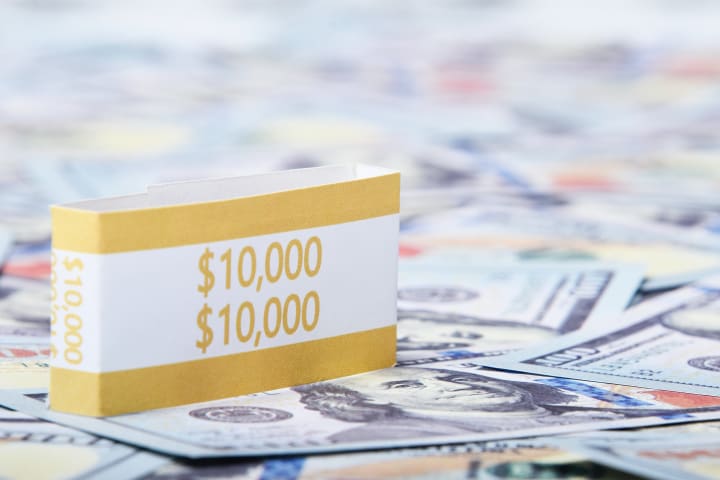
Picture this: the allure of day trading, popularized by tales of YouTube sensations and enticing advertisements, promises swift riches and an escape from the ordinary. However, the stark reality is that a significant portion of the 'normal day traders' spotlighted in the limelight actually fails to generate any substantial profits. Beneath the glitz and glamour lies a truth often veiled by the sheer volume of those who fall by the wayside.
Answer Two: The Unwavering Dedication

Contrary to the misconceptions that may have woven their way into your mind, the art of executing profitable trades demands nothing short of resolute dedication. The finest trades are not mere strokes of luck; they are the culmination of exhaustive research, skills honed through experience, and a commitment to constant improvement. Hedge funds, as the titans of the financial realm, must allocate their finite attention and resources to trade systems and ideas that boast the most promising profit potential. This approach contrasts starkly with that of many day traders, who might possess limited capital and are content to gamble with meager sums. Hedge funds, on the other hand, set their sights on achieving 10% returns on substantial investments, a pursuit that attracts the keen competition of seasoned professionals. Thus, the landscape they navigate leaves behind a trail of smaller opportunities that can inadvertently trickle down to aspiring traders.
Answer Three: The Art of Scaling

Imagine this scenario: both a day trader and a hedge fund manager recognize the same golden opportunity in the market. Yet, as the hedge fund manager makes their move with substantial financial firepower, they inadvertently cause the market price to sway in their wake. This phenomenon, known as scaling, results in a higher cost of establishing positions as market prices shift under the weight of their considerable influence. As this pattern continues, the hedge fund's returns begin to dwindle due to the mounting costs incurred in manipulating the market. In essence, the law of diminishing returns holds sway, affecting even the most formidable of financial giants.
An Appraisal of the Tripling Mirage

Now, let's delve into the captivating premise of tripling one's wealth annually. Imagine commencing with a sum of $100,000, a modest figure by hedge fund standards. After just two years of tripling, that sum grows to a staggering $900,000. Zooming ahead to year four, it balloons to an astonishing $8.1 million. This exhilarating trajectory continues, and by the tenth year, the fortune has multiplied fivefold, surpassing even the wealthiest of magnates like Jeff Bezos. However, the once-accelerating ascent begins to lose momentum, and in the fifteenth year, the challenge becomes Herculean: attempting to extract a mind-boggling $1 trillion from the market, while skillfully outwitting a multitude of contenders. It becomes evident that sustaining such exponential growth over extended periods verges on the implausible.
In summation, the narrative of 'tripling one's money every year' proves to be more elusive than attainable. The intricate interplay of effort, strategy, and market dynamics paints a nuanced picture of financial success. So, the next time you hear whispers of astonishing annual returns, remember the complexities that underlie these stories, weaving a tapestry of triumphs, challenges, and the enduring pursuit of prosperity."
Original pictures by Anna Nekrashevich
SUMMARY

In the financial realm, the contrast between day traders' and hedge funds' performance sparks intrigue. While day traders' promises of triple-digit annual profits often fall short, the reality is that many struggle to make money. The discrepancy lies in the meticulous effort required for successful trading, with hedge funds prioritizing substantial opportunities and leaving behind smaller chances for individual traders. Additionally, the art of scaling and diminishing returns impacts hedge funds' returns as they manipulate markets. The notion of tripling wealth annually is enticing but becomes implausible over time. This narrative delves into the intricate dynamics between day traders and hedge funds, shedding light on the complex journey to financial success.
ORIGINAL STORY BY Joost Van Der Mandele
About the Creator
Edge Alexander
Captivating wordsmith, crafting transformative narratives that spark curiosity, ignite conversation, and leave an indelible mark.
https://gogetfunding.com/to-make-a-difference/
Keep reading
More stories from Edge Alexander and writers in Trader and other communities.
Exploring the Dangers of Trading on the Stock Market
Trading itself is a harmless activity. It is as harmless as eating an ice cream. But yes, you all know what happens when you eat 6 ice creams in a day. You will obviously catch cold. It can be as pleasant as creating something new. Because when you trade well, you make money. At times, lots of it.
By Edge Alexander3 years ago in Trader
Despite tensions in the trade, investors flock to safe-haven metals, driving up silver prices by 6%.
As a hedge against global uncertainty, silver prices have recently surged significantly, surprising many market observers by outperforming gold and attracting significant investor interest. In late February 2026, silver climbed more than 6% in a short period, fueling speculation about whether the metal could continue its momentum and potentially test new price milestones in the months ahead. The surge reflects a combination of geopolitical tensions, shifts in supply-demand dynamics, and renewed focus on precious metals as risk-off assets.
By Raviha Imrana day ago in Trader
Australia Fitness App Market Set to Surge Over 5× by 2034 on Health & Digital Adoption
In 2025, the Australia fitness app market was valued at approximately USD 70.1 million and is projected to expand to USD 401.5 million by 2034, reflecting a strong compound annual growth rate (CAGR) of 21.40% between 2026 and 2034. This robust growth forecast underscores the rapid adoption of digital health solutions and the increasing role of mobile technology in supporting everyday fitness and wellness goals across the Australian population. Fitness apps — mobile and tablet-based platforms focused on exercise routines, nutrition guidance, activity tracking and personalised health insights — are becoming integral tools for consumers seeking convenience, flexibility and tailored fitness experiences.
By Rashi Sharma4 days ago in Trader




Comments
There are no comments for this story
Be the first to respond and start the conversation.