
The World of Finance
Exploring Opportunities, Challenges, and Emerging Trends in the Global Financial Landscape

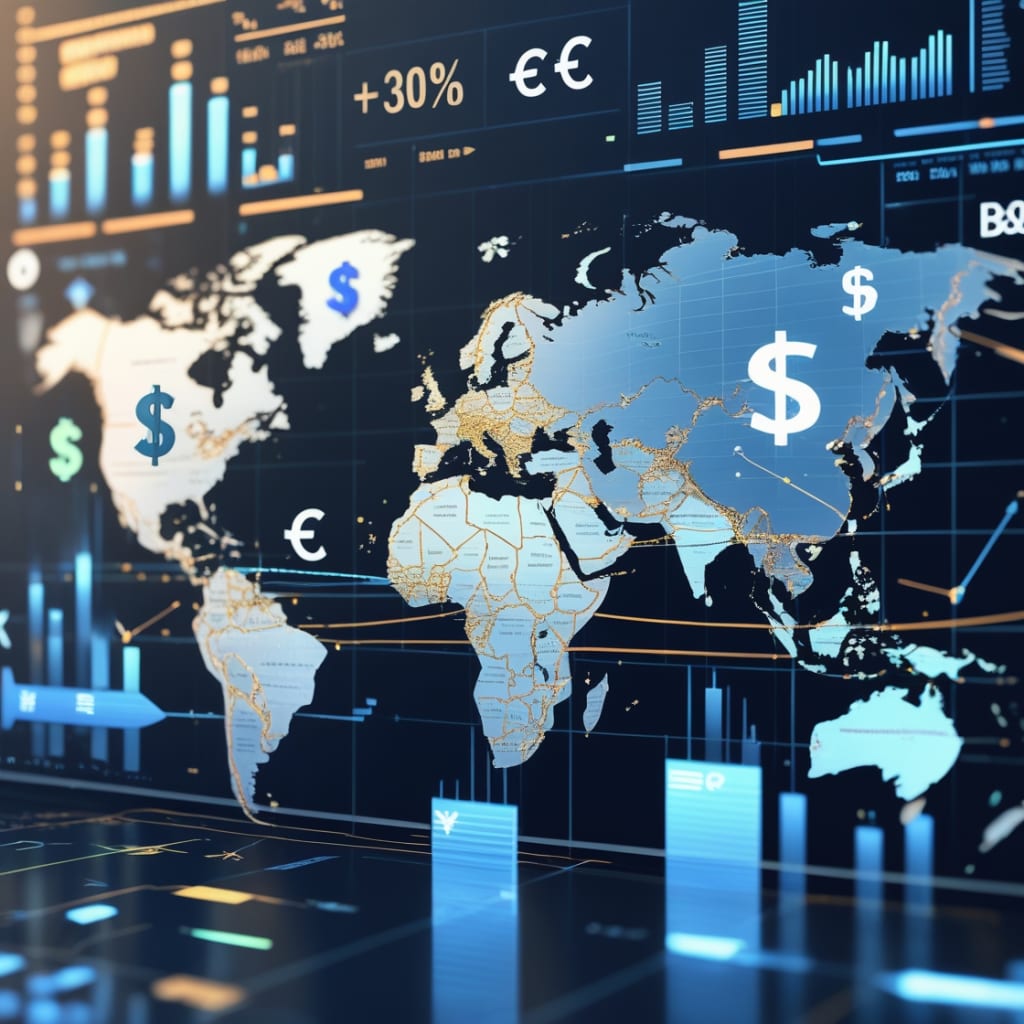
Finance in the International Market: Opportunities, Challenges, and Future Trends
In today’s interconnected world, finance in the international market plays a vital role in shaping the global economy. It refers to the management of money across borders, including investments, trade financing, currency exchange, and capital flow. The international financial system has evolved into a complex web of institutions, regulations, and markets, enabling the movement of capital and resources worldwide. Understanding this landscape is crucial for policymakers, investors, businesses, and students alike.
The Importance of International Finance
International finance facilitates global trade and investment. It allows countries to access external capital for development, helps multinational corporations manage operations across different countries, and provides investors with opportunities to diversify their portfolios. Currencies, interest rates, and economic indicators from different nations are closely interconnected. For example, a change in the U.S. Federal Reserve’s interest rates can have ripple effects on stock markets and currencies worldwide.
Moreover, international finance supports economic growth in developing countries through foreign direct investment (FDI) and portfolio investments. Institutions like the International Monetary Fund (IMF) and the World Bank also provide financial assistance to stabilize economies during crises.
Key Players and Instruments
The major participants in the international financial market include central banks, multinational corporations, global investment banks, hedge funds, and international institutions. Currencies are traded in the foreign exchange market (Forex), which is the largest and most liquid financial market in the world. Other major instruments include:
Bonds (sovereign and corporate)
Equities listed on global stock exchanges
Derivatives such as futures, options, and swaps
Commodities like oil, gold, and agricultural products
International financial centers like New York, London, Tokyo, and Hong Kong serve as hubs for global financial activities.
Challenges in the International Market
While international finance offers many advantages, it also presents significant challenges:
Currency Risk: Fluctuations in exchange rates can impact the profitability of cross-border investments and trade.
Political and Regulatory Risk: Changes in government policies, tax laws, or regulatory frameworks can affect investment returns.
Interest Rate Volatility: Central bank policies influence capital flows and exchange rates.
Geopolitical Tensions: Conflicts, trade wars, or sanctions can disrupt global financial stability.
Global Crises: Events like the 2008 financial crisis or the COVID-19 pandemic show how quickly financial contagion can spread internationally.
Risk management strategies, such as hedging with derivatives or geographic diversification, are crucial for mitigating these uncertainties.
Emerging Trends in International Finance
Several key trends are shaping the future of finance in the global market:
Digital Currencies and Blockchain: Central Bank Digital Currencies (CBDCs) and cryptocurrencies like Bitcoin are revolutionizing cross-border payments and transparency.
Sustainable Finance: Environmental, Social, and Governance (ESG) investing is gaining momentum, directing global capital toward greener and more ethical projects.
Fintech Innovations: Financial technology is breaking barriers in access, efficiency, and affordability, especially in emerging markets.
Decentralized Finance (DeFi): DeFi platforms use smart contracts to eliminate traditional financial intermediaries, enabling direct lending and borrowing on the blockchain.
Shift in Global Power: With China, India, and other emerging economies rising, the financial center of gravity is slowly shifting eastward.
The Role of Technology in Shaping International Finance
Technology has become a powerful force transforming international finance. Real-time data analytics, artificial intelligence (AI), and machine learning now drive faster, more accurate financial decision-making across borders. High-frequency trading algorithms dominate global stock markets, while mobile banking and digital wallets have increased financial inclusion in developing nations. Blockchain technology ensures transparency and security in international transactions, reducing reliance on traditional intermediaries. As financial technology continues to evolve, it is not only making global markets more accessible but also more interconnected and efficient than ever before.
Conclusion
Finance in the international market is both an engine of global economic progress and a potential source of systemic risk. As globalization continues and technology reshapes the landscape, the need for robust financial literacy and international cooperation becomes even more critical. Stakeholders must adapt to changing dynamics while balancing growth with stability. Whether you're an investor, entrepreneur, policymaker, or student, understanding international finance is essential for navigating the complexities of our globalized economy.
About the Creator
Sanaullah
IHi, I’m Sanaullah—a passionate vocalist and storyteller with a deep interest in crime, fiction, and education.
Let’s tell unforgettable stories together—one note at a time.
Stanislav Kondrashov on the Future of Bank Strategy in Europe’s Financial Landscape
Across Europe’s financial landscape, banking strategy is undergoing a quiet but decisive transformation. Digital innovation, evolving customer expectations, and shifting economic dynamics are reshaping how financial institutions define their role. According to Stanislav Kondrashov, this transition is less about short-term change and more about building resilient systems that can adapt to a rapidly evolving environment.
By Stanislav Kondrashova day ago in Trader




Comments
There are no comments for this story
Be the first to respond and start the conversation.