
The Ultimate Guide to Dropshipping for Beginners
Keys for Dropshipping


Dropshipping is a retail fulfillment method where a store doesn't keep the products it sells in stock. Instead, when a store sells a product, it purchases the item from a third-party supplier who then ships it directly to the customer. In other words, the retailer acts as a middleman between the customer and the supplier.
The main advantage of dropshipping is that the retailer doesn't have to hold inventory or handle the products physically. This eliminates the need for a large upfront investment in inventory, reduces the cost of storage, and frees up time to focus on other aspects of the business, such as marketing and customer service.
In addition to reducing the cost and effort of inventory management, dropshipping also allows retailers to offer a wider range of products without the need to stock them. This means that a retailer can test different products and markets without incurring the cost and risk of purchasing inventory upfront.
Another advantage of dropshipping is that it can be done from anywhere, as long as the retailer has an internet connection. This makes it an attractive option for entrepreneurs who want to start a business with low overhead and minimal risk.
In summary, dropshipping is a retail fulfillment method that allows retailers to sell products without holding inventory, reducing the cost and risk of starting an e-commerce business. It is a flexible and scalable business model that can be started from anywhere and offers a wide range of product options to customers.
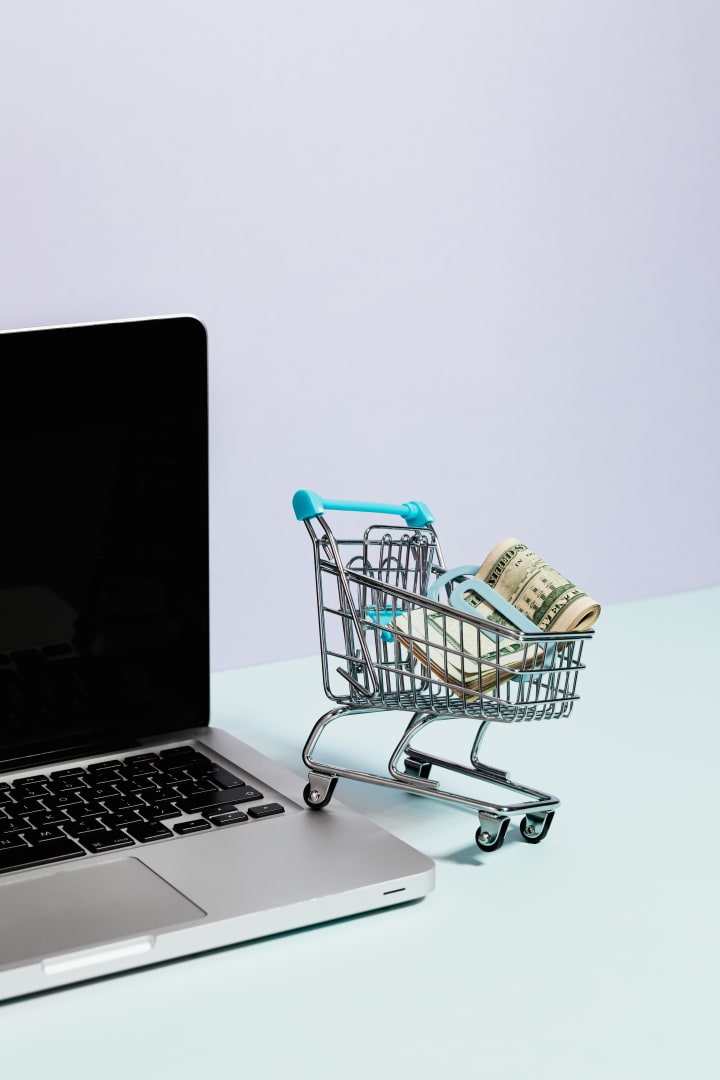
Dropshipping offers several benefits to both retailers and customers. Here are some of the key advantages:
Low Startup Costs: One of the biggest benefits of dropshipping is that it requires little upfront investment. Retailers do not need to purchase inventory or rent a physical storefront, which can significantly reduce their startup costs. This makes it easier for entrepreneurs to start their own business with limited funds.
Wide Range of Products: Dropshipping allows retailers to offer a wide range of products without the need to purchase inventory. This means that retailers can experiment with lines and niches without worrying about holding stock.
Scalability: Dropshipping is a scalable business model because retailers do not need to manage inventory or hire additional staff to handle shipping and handling. As the business grows, the retailer can focus on expanding their product lines and marketing efforts without worrying about managing a large inventory or hiring additional staff.
Flexibility: With dropshipping, retailers can work from anywhere with an internet connection. This means that they can operate the business from home or while traveling, providing flexibility and freedom.
Low Risk: Because retailers do not need to purchase inventory upfront, dropshipping is a low-risk business model. The retailer only needs to pay for the product once a customer has made a purchase. This eliminates the risk of holding inventory that may not sell.
Customer Service: With dropshipping, the supplier is responsible for handling shipping and returns, which allows retailers to focus on providing excellent customer service. This is important because good customer service is essential for building a loyal customer base and growing the business.
In summary, dropshipping offers several benefits to retailers, including low startup costs, a wide range of products, scalability, flexibility, low risk, and the ability to focus on customer service. These benefits make dropshipping an attractive business model for entrepreneurs looking to start an online business with minimal investment and risk.
There are many things to consider when starting a dropshipping business, from choosing a niche to finding a supplier and setting up an online store. This guide is designed to help beginners navigate the process of starting a dropshipping business and provides a comprehensive overview of the key steps and strategies involved.
Here's what readers can expect from this guide:
A Clear Explanation of Dropshipping: The guide begins by explaining what dropshipping is and how it works. It covers the advantages of the dropshipping business model and the benefits it offers to retailers and customers.
Step-by-Step Guidance: The guide is designed to be a step-by-step guide that provides a clear and easy-to-follow process for starting a dropshipping business. It covers every step of the process in detail, including choosing a niche, finding a supplier, setting up an online store, marketing and promoting the business, and managing the business.
Practical Tips and Strategies: Readers will find practical tips and strategies for building a successful dropshipping business throughout the guide. These include strategies for choosing a profitable niche, finding reliable suppliers, optimizing an online store for conversions, and developing effective marketing strategies.
Real-World Examples: The guide includes real-world examples of successful dropshipping businesses and how they achieved success. These examples provide inspiration and valuable insight into what it takes to build a profitable dropshipping business.
Additional Resources: The guide contains links to additional resources for readers who want to learn more about specific topics. These resources include articles, videos, and tools that can help readers build a successful dropshipping business.
In a nutshell, readers can expect a clear and comprehensive guide to starting a dropshipping business that includes step-by-step guidance, practical tips and strategies, real-world examples, and additional resources. Readers will be well equipped to start their own successful dropshipping business by following the guidance in this guide.

The dropshipping process involves several steps, from selecting a niche to delivering products to customers. Here's an overview of the dropshipping process:
Selecting a Niche: The first step in the dropshipping process is selecting a niche. A niche is a specific product category or market that a retailer will focus on. When selecting a niche, retailers should consider the demand for the products, the competition in the market, and the profit margins.
Finding a Supplier: Once a niche is selected, the next step is to find a reliable supplier who can provide the products for the retailer to sell. Suppliers can be found through online directories, trade shows, or by contacting manufacturers directly. Retailers should consider factors such as product quality, shipping times, and customer service when selecting a supplier.
Setting up an Online Store: With a niche and supplier in place, the next step is to set up an online store. This can be done using e-commerce platforms such as Shopify, WooCommerce, or BigCommerce. Retailers should optimize their store for conversions by creating a user-friendly interface, writing compelling product descriptions, and including high-quality images.
Marketing and Promoting the Business: Once the online store is set up, the next step is to promote the business and drive traffic to the store. This can be done through various marketing strategies such as paid advertising, search engine optimization, social media marketing, and content marketing.
Receiving Orders and Processing Payments: When a customer places an order on the online store, the retailer receives the payment and forwards the order to the supplier. The supplier then ships the product directly to the customer.
Handling Customer Service: With dropshipping, the supplier is responsible for handling shipping and returns. However, the retailer is responsible for handling customer service inquiries and resolving any issues that may arise.
In summary, the dropshipping process involves selecting a niche, finding a supplier, setting up an online store, marketing and promoting the business, receiving orders and processing payments, and handling customer service. By following these steps and best practices for each, retailers can build a successful and profitable dropshipping business.
In the dropshipping business model, there are three primary roles: the supplier, retailer, and customer. Each role plays a critical part in the overall process of delivering products to customers. Here's an overview of the roles of each:
Supplier: The supplier is responsible for manufacturing and/or sourcing the products, storing them, and shipping them directly to the customer when the retailer receives an order. The supplier is a crucial partner in the dropshipping business model as they are responsible for fulfilling the orders and ensuring that products are delivered on time and in good condition. Additionally, the supplier is responsible for providing customer service for issues related to product quality, defects, or shipping errors.
Retailer: The retailer is responsible for creating an online store that features the products provided by the supplier. The retailer is responsible for marketing and promoting the products to attract customers to the online store. Once the customer places an order, the retailer forwards the order to the supplier and receives payment from the customer. The retailer is also responsible for handling customer service inquiries and resolving any issues that may arise.
Customer: The customer is the end-user of the products and is the ultimate recipient of the products. Customers place orders through the retailer's online store and receive the products directly from the supplier. Customers expect prompt delivery, high-quality products, and excellent customer service.
In summary, the supplier, retailer, and customer all play critical roles in the dropshipping business model. The supplier is responsible for fulfilling orders and providing customer service, the retailer is responsible for marketing and promoting the products and handling customer service inquiries, and the customer is the end-user of the products. By understanding the roles of each party, dropshipping businesses can provide a smooth and efficient experience for customers, leading to increased sales and customer satisfaction.

There are numerous examples of successful dropshipping businesses across a wide range of niches. Here are a few examples:
Oberlo: Oberlo is a platform that helps entrepreneurs find and sell products through dropshipping. They provide a marketplace of products that can be sold on Shopify and other e-commerce platforms. By using Oberlo, entrepreneurs can quickly and easily set up a dropshipping business without having to worry about inventory management, shipping, or fulfillment.
Gymshark: Gymshark is a fitness apparel brand that has seen tremendous success through dropshipping. They started by dropshipping products from their suppliers and eventually transitioned to in-house manufacturing. By leveraging social media and influencer marketing, they were able to quickly grow their brand and become one of the most recognizable names in the fitness industry.
MVMT Watches: MVMT Watches is a watch brand that has used dropshipping to scale their business quickly. They started by dropshipping products from their suppliers and eventually transitioned to in-house manufacturing. By focusing on high-quality products, influencer marketing, and a user-friendly e-commerce store, they were able to quickly gain a loyal customer base and become one of the fastest-growing watch brands in the world.
Misen: Misen is a kitchenware brand that has seen success through a combination of dropshipping and traditional manufacturing. They started by using dropshipping to test their products and validate demand before investing in manufacturing. By offering high-quality products at affordable prices, they were able to quickly grow their brand and become one of the most recognizable names in the kitchenware industry.
Beardbrand: Beardbrand is a men's grooming brand that has seen success through a combination of dropshipping and in-house manufacturing. By focusing on a specific niche (beard care), they were able to quickly establish themselves as a leader in the market. By leveraging content marketing and influencer partnerships, they were able to build a loyal customer base and become one of the most recognizable names in the men's grooming industry.
These are just a few examples of successful dropshipping businesses. By identifying a niche, finding reliable suppliers, and creating a user-friendly e-commerce store, entrepreneurs can leverage dropshipping to quickly and efficiently scale their business.
Niche selection is a critical component of building a successful dropshipping business. The right niche can make all the difference in attracting customers, standing out from competitors, and generating sales. Here are some factors to consider when selecting a niche for your dropshipping business:
Passion: Choose a niche that you are passionate about. If you have a genuine interest in the products you are selling, it will be easier to create content, market your products, and engage with your customers.
Demand: Choose a niche with sufficient demand. Research the market to identify which products are in demand and which are oversaturated. Look for products that have a high search volume and low competition.
Competition: Analyze the competition in your chosen niche. Determine who your competitors are, what they are doing well, and how you can differentiate your brand.
Profitability: Choose a niche with the potential for profitability. Look for products with high margins and low production costs.
Trends: Stay up-to-date with current trends and changes in the market. Consider whether your niche is likely to be impacted by shifts in consumer behavior or technological advancements.
Target market: Identify your target market and choose a niche that appeals to them. Conduct research to understand their needs, preferences, and purchasing behavior.
Supplier availability: Ensure that there are reliable suppliers that offer the products you want to sell. Research potential suppliers and evaluate their pricing, shipping times, and customer service.
By considering these factors, you can select a niche that aligns with your interests and has the potential to be profitable. Remember that niche selection is not a one-time decision; you should continually evaluate and refine your niche strategy to stay competitive in the market.
Choosing a market for your dropshipping business has several advantages that can help you build a successful and sustainable e-commerce store. Here are some key benefits of choosing a market:
Reduced competition: By choosing a specific niche, you can narrow your focus and target a specific customer group. This can help you stand out from the competition and establish yourself as an expert in your chosen field. It can also make it easier to create content, optimize your website, and target your marketing efforts.
Targeted marketing: You can create more effective and targeted marketing campaigns by targeting a specific customer group. You can tailor your messaging and marketing channels to the specific interests and needs of your target audience, resulting in higher engagement and conversion rates.
Increased customer loyalty: By focusing on a specific niche, you can build a loyal customer base that is passionate about your products. They're more likely to come back to your store for future purchases, refer others to your business, and engage with your brand on social media.
Enhanced search engine optimization (SEO): By focusing on a specific niche, you can create more targeted and relevant content for your audience. This can improve your search engine rankings and make it easier for potential customers to find your business when searching for products in your niche.
Higher profit margins: You can potentially earn higher profit margins by choosing a market with high demand and low competition. This is because you can sell products for a high price because of the special nature of the products and the perceived value they offer.
More opportunities for innovation: By choosing a specific niche, you can focus on creating unique and innovative products that meet the specific needs of your target market. This can help you stand out from the competition and create a unique selling proposition for your business.
Overall, choosing a niche for your dropshipping business can help you create a more focused and effective e-commerce store that resonates with your target audience. It can lead to higher profits, increased customer loyalty and improved search engine rankings, among other benefits.
Supplier selection is a critical aspect of building a successful dropshipping business. Your supplier is the backbone of your business, and the quality and reliability of their service can have a significant impact on your success. Here are some key factors to consider when selecting a supplier:
Product selection: Ensure that the supplier offers the products you want to sell. Research their product catalog and ensure that they have a wide range of products that meet the needs of your target audience. You may also want to check if the supplier updates their product selection frequently.
Pricing: Ensure that the supplier's pricing is competitive and that their products are affordable. Compare their pricing to that of other suppliers to determine if they offer the best value for money.
Shipping times: Ensure that the supplier has reasonable shipping times. Check their shipping policies and delivery times to ensure that their products will reach your customers within a reasonable timeframe.
Quality control: Ensure that the supplier has a strong quality control process in place. The quality of their products can impact your reputation and customer satisfaction, so it's essential to work with a supplier who takes quality seriously.
Customer service: Ensure that the supplier provides excellent customer service. Check their responsiveness, willingness to answer questions, and willingness to provide support in case of issues or returns.
Reliability: Ensure that the supplier is reliable and consistent in their service. You may want to check online reviews or speak to other dropshippers to get a sense of their reputation.
Fees: Ensure that the supplier's fees and charges are transparent and reasonable. Check for any hidden fees or charges that could impact your profit margins.
When selecting a supplier, it's important to consider all of these factors and weigh them against your business goals and priorities. Remember that supplier selection is an ongoing process, and it's important to continually evaluate and refine your supplier strategy to ensure that you are working with the best partners for your business.

If you're interested in starting a business but aren't sure where to begin, dropshipping can be an excellent option. Here are some reasons why you should consider starting a dropshipping business:
Low startup costs: One of the biggest advantages of dropshipping is that it requires minimal upfront investment. Unlike traditional retail businesses that require significant capital to purchase inventory, with dropshipping, you don't need to purchase any inventory upfront. Instead, you only order products from your supplier once you receive an order from a customer, which significantly reduces your risk and upfront costs.
Flexibility: With a dropshipping business, you have the flexibility to work from anywhere, at any time. As long as you have a reliable internet connection, you can manage your business from your laptop or phone. This allows you to work from home or while traveling, which can be a significant advantage for those seeking flexibility.
Scalability: Dropshipping allows you to scale your business quickly and easily. As you don't need to manage inventory or warehouse space, you can focus on growing your customer base and expanding your product offerings. This can help you scale your business without the significant costs and logistical challenges associated with traditional retail businesses.
Low overhead costs: With a dropshipping business, you don't need to worry about overhead costs such as warehousing, packaging, or shipping. This can significantly reduce your operational costs and allow you to invest in marketing and other business growth strategies.
Wide range of products: With dropshipping, you can offer a wide range of products to your customers without the need to purchase and store inventory. This allows you to test different products and identify the best products to sell to your audience.
Overall, dropshipping can be an excellent option for those seeking to start a business with minimal upfront investment and maximum flexibility. It offers a wide range of benefits, including scalability, low overhead costs, and a wide range of products to sell, making it an attractive option for entrepreneurs. With a little bit of research, dedication, and hard work, anyone can start a successful dropshipping business.
Overall, dropshipping can be an excellent option for those seeking to start a business with minimal upfront investment and maximum flexibility. It offers a wide range of benefits, including scalability, low overhead costs, and a wide range of products to sell, making it an attractive option for entrepreneurs. With a little bit of research, dedication, and hard work, anyone can start a successful dropshipping business.
About the Creator
Serhat Özylmaz
Physiotherapy Candidate •Undergraduate student at Istanbul Istinye University •Personal Development, Health,Spine health,Physical Limitations, best author.
Keep reading
More stories from Serhat Özylmaz and writers in Trader and other communities.
Unlocking the Power of Language: Exploring the Capabilities of ChatGPT
ChatGPT or Generative Pre-trained Transformer is a major language model developed by OpenAI. It uses deep learning algorithms to analyze and understand natural language and then produces text that is similar to human language in style and tone. This is accomplished through a process called pre-training, in which the model is trained on a large text dataset from a wide variety of sources such as books, articles, and websites. This process allows ChatGPT to learn patterns and relationships within the language, which can then be used to create coherent and relevant responses to a specific prompt or question.
By Serhat Özylmaz3 years ago in FYI
Top tipple tricks
Been thinking a lot about drinking, lately. Not least because of a recent episode of over-indulgence and the inevitable after effects. Some readers may recall the earlier articles I wrote about beating the booze. Here I set out an experiment in techniques for cutting down on my alcohol intake. The experiment was successful, the techniques worked, and I have armed myself with an arsenal of weapons in the war against the demon drink. I have yet to fire the first round however. It's all a question of timing (perhaps procrastination).
By Raymond G. Taylor7 days ago in Psyche




Comments
There are no comments for this story
Be the first to respond and start the conversation.