
The U.S.-China Trade War: Causes, Consequences, and Global Impact
From Tariffs to Tech: Tracing the Tensions Shaping the 21st Century Economy

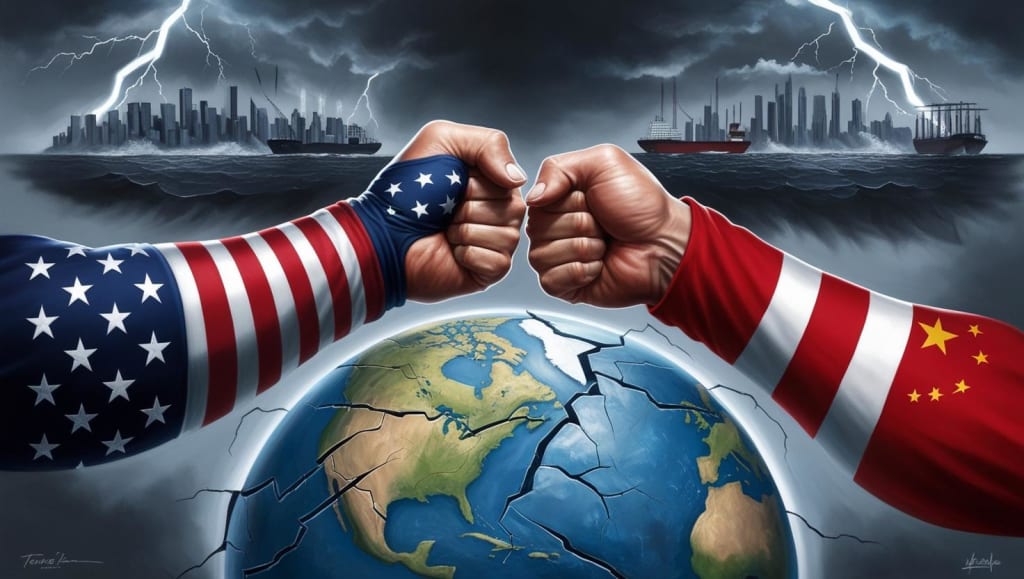
An Exploration of Economic Rivalry, Political Strategy, and Global Ramifications
The U.S.-China trade war stands as one of the most significant economic confrontations of the 21st century. Beginning in earnest in 2018 under the Trump administration, it has since reshaped global supply chains, redefined international alliances, and highlighted the fragile interdependence between the world’s two largest economies. Though framed as a response to unfair trade practices, the conflict reflects a deeper strategic rivalry with implications far beyond tariffs and trade deficits.
Causes of the Trade War
At the heart of the U.S.-China trade war lies a complex mix of economic grievances and geopolitical anxieties. The United States has long accused China of engaging in unfair trade practices, including:
Intellectual Property Theft: U.S. companies have repeatedly claimed that doing business in China often requires forced technology transfers or exposes them to corporate espionage.
State Subsidies and Market Access: China’s state-owned enterprises receive extensive government support, distorting global competition. Meanwhile, foreign companies often face restrictions when entering Chinese markets.
Trade Imbalance: The U.S. trade deficit with China had been growing for years, fueling political pressure domestically. In 2018, it stood at over $375 billion, raising concerns about economic dependency and lost manufacturing jobs.
While these issues have been simmering for decades, President Donald Trump took a confrontational approach, introducing a series of tariffs aimed at correcting what he called a “broken” trade relationship. China responded with retaliatory tariffs, setting the stage for a tit-for-tat escalation.
Major Phases of the Conflict
The trade war unfolded in several phases:
Tariff Battles (2018-2019): The U.S. imposed tariffs on hundreds of billions of dollars worth of Chinese goods. China responded in kind, targeting American agricultural products and automobiles.
Negotiations and the Phase One Deal (2020): In early 2020, both countries signed a limited trade agreement, known as the "Phase One" deal. China agreed to increase purchases of U.S. goods, particularly agricultural products, and pledged stronger protections for intellectual property. However, many core issues remained unresolved.
Post-Phase One and COVID-19 Complications: The COVID-19 pandemic overshadowed the implementation of the deal. Trade volumes fell, and tensions shifted toward broader concerns, including supply chain security and vaccine diplomacy.
Consequences for Both Nations
The trade war has had tangible economic effects:
For the United States: While some domestic industries, such as steel, saw short-term gains, others—particularly agriculture and manufacturing—suffered from retaliatory tariffs and increased production costs. American consumers also faced higher prices for goods, particularly electronics and household items.
For China: Chinese exporters experienced reduced demand in one of their largest markets. However, China pivoted to alternative trade partners and accelerated efforts to build domestic technological independence.
Both nations incurred economic damage, though not enough to force either side into capitulation. Instead, the war exposed the depth of their economic interdependence and the limitations of unilateral trade actions. It also served as a wake-up call for global businesses to reconsider their operational risks.
Global Impact
The ripple effects of the trade war extended well beyond China and the United States:
Supply Chain Disruption: Multinational companies began reassessing their supply chains, moving production to countries like Vietnam, India, and Mexico in a process known as "decoupling."
Strained Multilateralism: The conflict undermined global trade institutions like the World Trade Organization (WTO) and tested the resolve of U.S. allies who were caught in the crossfire.
Economic Uncertainty: Market volatility increased during peak periods of the trade war, affecting global investment and growth, particularly in emerging markets heavily reliant on exports.
Technology Cold War: The U.S. placed restrictions on Chinese tech giants such as Huawei, signaling that the trade war was also a contest for technological dominance in areas like 5G, AI, and semiconductors.
Looking Ahead
Though the intensity of the trade war has lessened under the Biden administration, tensions remain high. Many tariffs are still in place, and concerns about national security, supply chain resilience, and technological competition continue to shape U.S.-China relations. The trade war has also set a precedent for economic confrontation as a tool of foreign policy—a trend likely to persist in an increasingly multipolar world.
Ultimately, the U.S.-China trade war is not just about commerce; it’s a reflection of a shifting global order. How these two giants manage their rivalry will determine not only their own prosperity but also the stability of the international economic system. As the world watches, one thing is clear: the rules of global trade are being rewritten in real time.
About the Creator
Waleed khan
Mysterious & Artistic
Keep reading
More stories from Waleed khan and writers in Trader and other communities.
CRCL Stock Price Prediction 2030: Is This the Right Stock for Long-Term Investors?
Many investors are asking the same question: will CRCL deliver strong returns over the next decade? The CRCL Stock Price Prediction 2030 has become a key topic as people try to forecast its future performance. This article breaks down the main factors influencing CRCL stock, potential growth opportunities, and risks that investors need to watch.
By John.doe7985 days ago in Trader



Comments
There are no comments for this story
Be the first to respond and start the conversation.