
The S&P 500: A Theoretical and Practical Analysis
By X Inversiones Club: Empowering the Next Generation of Investors

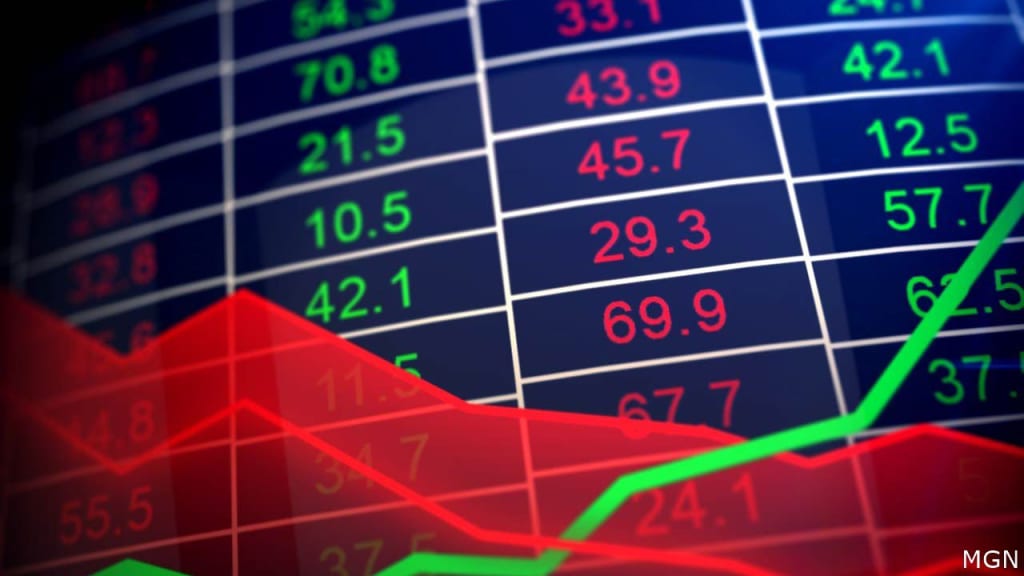
The S&P 500, or Standard & Poor's 500, is one of the most influential and closely followed stock indices in the world. Since its inception in 1957, it has evolved into a key barometer of the economic and financial health of the United States. This article delves into the theory and practice of the S&P 500, analyzing its composition, calculation methodology, economic importance, historical performance, and future outlook.
1. History and Composition of the S&P 500
The S&P 500 was created by the financial services company Standard & Poor's as a representative index of the largest and most significant companies in the U.S. Since its inception, it has undergone several transformations to adapt to market dynamics.
1.1. Selection of Companies
The index consists of 500 companies selected based on certain criteria:
Market Capitalization: Companies must have a minimum market capitalization of $13.1 billion (as of 2021).
Liquidity: Stocks must have sufficient trading volume to ensure they are tradable.
Residence: Companies must be domiciled in the U.S. or have their principal headquarters in the country.
Sector: A wide representation of various sectors of the economy is sought, including technology, health, finance, consumer goods, energy, and more.
1.2. Sector Diversification
The composition of the S&P 500 is periodically adjusted to reflect changes in the economy. This sectoral diversification is key to understanding its behavior. For example, technology companies have gained significant representation in the index, while sectors like energy have experienced fluctuations based on global market changes.
2. Calculation Methodology of the Index
The S&P 500 is a market capitalization-weighted index, meaning that larger companies have a greater impact on the index. This translates to a formula that considers the stock price of each company multiplied by the number of shares outstanding, divided by an adjusted divisor.
2.1. Index Equation
The basic formula for calculating the S&P 500 is as follows:
Index=∑(Stock Price×Shares Outstanding)Divisor
Index=Divisor∑(Stock Price×Shares Outstanding)
The divisor is regularly adjusted to maintain continuity in the index following events like stock splits, mergers, or acquisitions.
2.2. Impact of Variations
Since larger companies have a greater impact, the S&P 500 can reflect the health of a small number of companies rather than the entire economy. For example, if a couple of tech giants experience significant growth, the index may appear robust, even if other sectors are declining.
3. Importance of the S&P 500 in the Economy
The S&P 500 is considered a crucial indicator of U.S. stock market performance and has implications that go beyond individual investment.
3.1. Benchmark for Investors
For many institutional and retail investors, the S&P 500 serves as a benchmark for evaluating their portfolio performance. Pension funds, mutual funds, and ETFs often use the S&P 500 as a standard to measure success.
3.2. Economic Indicator
The movement of the S&P 500 can reflect overall economic health. A sustained increase in the index generally indicates confidence in economic growth, while significant declines may suggest imminent recessions or market uncertainties.
3.3. Connection to Monetary Policy
Federal Reserve decisions, such as changes in interest rates, can also affect the S&P 500. Lower interest rates tend to stimulate spending and investment, which often translates to an increase in the index.
4. Historical Performance and Volatility
Historically, the S&P 500 has demonstrated solid performance, with an average annual return of approximately 10-11%, including dividends. However, the performance is not linear and is subject to market volatility.
4.1. Crisis and Recoveries
The index has gone through several significant crises, including the dot-com bubble in the early 2000s and the 2008 financial crisis. In each case, the S&P 500 has managed to recover, underscoring the resilience of the U.S. market.
4.2. Impact of the Pandemic
The COVID-19 pandemic in 2020 also affected the S&P 500, leading to abrupt declines followed by a rapid recovery driven by economic stimulus and a shift toward digitalization in many industries.
5. Investing in the S&P 500
Investing in the S&P 500 is a popular strategy for many investors, and there are several ways to do so.
5.1. Exchange-Traded Funds (ETFs)
ETFs like the SPDR S&P 500 ETF (SPY) and the Vanguard S&P 500 ETF (VOO) offer investors the opportunity to buy shares that track the index, allowing for instant diversification at relatively low costs.
5.2. Mutual Funds
In addition to ETFs, many mutual funds also provide exposure to the S&P 500, allowing investors to achieve long-term returns without having to select individual stocks.
6. Future Outlook for the S&P 500
As the world evolves, so does the S&P 500. Factors such as technological innovation, geopolitical tensions, and changes in consumer behavior are crucial for anticipating the index's future.
6.1. Emerging Trends
The rise of investment in sustainability and attention to environmental, social, and governance (ESG) issues are changing the composition and dynamics of the S&P 500. More companies are seeking to meet ESG criteria, which may affect their inclusion in the index.
6.2. Inflation and Interest Rates
Inflation and Federal Reserve policies will continue to play a critical role in the performance of the S&P 500. As the economy adapts to post-pandemic changes, interest rate management will be a key factor in determining the index's future.
7. Conclusions
The S&P 500 is not just a stock index; it is a reflection of the U.S. economy and a confidence barometer for investors worldwide. Its rich history, diversity, and calculation methodology make it a valuable tool for understanding markets and guiding investment decisions. As the economic landscape continues to evolve, the S&P 500 will remain a focal point for those looking to invest and comprehend market dynamics.
About the Creator
X Inversiones
Investment is not based on luck, but on strategy.
Keep reading
More stories from X Inversiones and writers in Trader and other communities.
Ray Dalio's Economic Machine Theory: Understanding the Economy in Simple Terms
Ray Dalio, one of the most influential investors and founder of Bridgewater Associates, developed a theory called the “Economic Machine” to explain how the economy works in a simple way and what factors influence economic cycles. Through this metaphor, Dalio breaks down the complexity of the economy into accessible concepts, helping investors and citizens understand how economic decisions impact their lives and investments. In this article, we will explore the key concepts of this theory and how it can be applied to better understand the current economic landscape.
By X Inversionesabout a year ago in Trader
Live PNB Share Price Today – Latest Punjab National Bank Stock Updates
Are you looking for the PNB share price right now? This article gives you fresh insights, clear explanations, and easy‑to‑understand updates about the Punjab National Bank stock for investors and curious readers alike.
By Safdar meyka2 days ago in Trader



Comments
There are no comments for this story
Be the first to respond and start the conversation.