
The Reality of Forex Trading
Beyond the Hype...

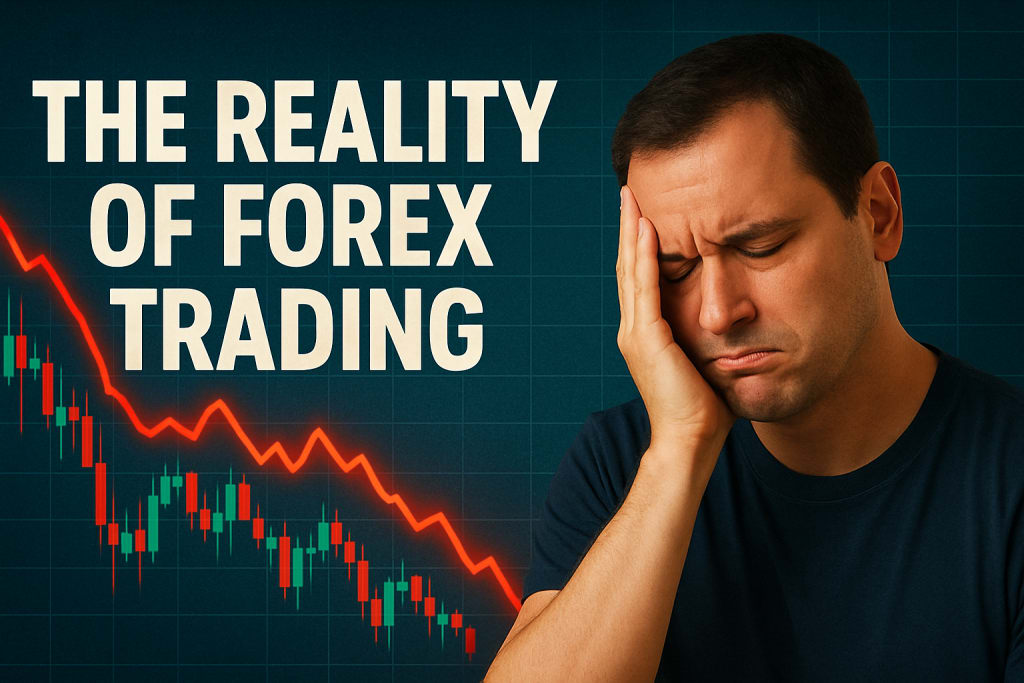
Forex trading, short for foreign exchange trading, has become one of the most talked-about financial opportunities in recent years. With promises of quick profits, low startup capital, and the freedom to trade from anywhere in the world, it's easy to see why so many people are drawn to the world of Forex. However, behind the polished ads and flashy success stories lies a more complex and often sobering reality. This article explores the true nature of Forex trading—its opportunities, risks, and what every aspiring trader should know before stepping into the market.
What Is Forex Trading?
At its core, Forex trading involves the buying and selling of currencies with the aim of making a profit. It is the largest financial market in the world, with over $6 trillion traded daily. Traders speculate on the value of one currency against another—such as the euro versus the US dollar (EUR/USD)—hoping to profit from changes in exchange rates.
Unlike stock markets, Forex operates 24 hours a day, five days a week, making it accessible at any time. This flexibility, combined with high liquidity and leverage options, has made it a popular choice for both new and experienced traders.
The Allure of Quick Profits
Forex is often advertised as a fast and easy way to make money. Social media influencers, YouTube traders, and online "gurus" frequently showcase luxury cars, expensive vacations, and big profits, all attributed to Forex trading. These portrayals, while enticing, are often misleading.
The truth is that Forex trading is not a guaranteed path to wealth. It is a high-risk activity that requires skill, discipline, and a deep understanding of financial markets. Many of those who enter the market with unrealistic expectations often lose money.
The Harsh Statistics
It’s estimated that over 70% to 90% of retail Forex traders lose money. This figure is not to discourage potential traders but to emphasize the seriousness of the risk involved. The market is influenced by global economic events, interest rates, political instability, and sudden news—factors that are unpredictable even to seasoned traders.
Furthermore, the use of leverage (borrowing money to increase trading size) can magnify profits but also losses. A small unfavorable movement in the market can wipe out an entire account if proper risk management isn’t in place.
The Importance of Education and Strategy
One of the key reasons many fail in Forex is a lack of education. Trading isn’t just about pressing "buy" or "sell." It involves technical analysis, fundamental analysis, chart patterns, risk management, and emotional control.
Successful traders spend months or even years learning and refining their strategies. They use demo accounts to practice without risking real money and develop trading plans that include entry and exit rules, stop losses, and position sizing.
A trader who treats Forex like a business—taking time to learn, planning every move, and managing risk carefully—has a far better chance of surviving and succeeding in the long term.
Psychology: The Silent Killer
Even with a good strategy, many traders fail due to poor emotional control. Greed, fear, overconfidence, and revenge trading are all psychological traps that can lead to disaster. Forex trading requires mental strength and discipline, especially during losing streaks.
Professional traders learn to accept losses as part of the game. They don’t let emotions dictate their decisions and always stick to their plan. This mental discipline often separates the winners from the losers.
The Role of Brokers
Choosing a reliable Forex broker is another crucial step. Some brokers are regulated and provide fair, transparent trading conditions. Others may be unregulated or even fraudulent. New traders must research brokers carefully—checking for licenses, reviews, and hidden fees—before opening an account.
Conclusion: Reality Check
Forex trading is not a get-rich-quick scheme. It is a skill-based profession that demands time, education, and discipline. While some people do make money trading Forex, most fail because they underestimate the complexity of the market or are misled by unrealistic promises.
If you're considering Forex trading, go into it with your eyes wide open. Learn the craft, start small, manage your risk, and never stop educating yourself. Success is possible, but it’s far from easy.
The reality of Forex trading is this: it offers opportunity, but only for those who treat it with the seriousness and respect it deserves.
About the Creator
Junaid Ali (Official)
Start writing...forex Trader | Market Analyst | Risk Manager
5+ yrs of exp
Technical & Fundamental Analysis
Risk Management Strategies
Day & Swing Trading
Discipline. Patience. Consistency
💬 DM for collab
📊 “Trade with logic, not emotion
Keep reading
More stories from Junaid Ali (Official) and writers in Trader and other communities.
Why is Gold Called King of Assets
👋Hello everyone! If you are an investor, you have probably heard the saying: “Gold is the king of assets.” But why gold? Why does gold always hold a special place in the financial markets and is considered a safe haven in all circumstances? Let’s explore why gold deserves this title and why it remains a favorite choice among millions of people around the world!
By Junaid Ali (Official)4 months ago in Trader
Mexico Cryptocurrency Market Size Trends & Share Growth Report to 2026-2034
Mexico Cryptocurrency Market Growth Overview The Mexico cryptocurrency market is experiencing significant growth as digital financial technologies gain wider acceptance across the country. According to industry insights, the market reached USD 41.1 Billion in 2025 and is expected to grow steadily to USD 91.5 Billion by 2034, expanding at a CAGR of 9.03% during 2026–2034. The expansion is largely supported by increasing digital adoption, growing interest in decentralized finance (DeFi), and the development of advanced fintech infrastructure.
By Kim Soo hyunabout 20 hours ago in Trader
Marks and Spencer Share Price Outlook: What Investors Should Watch
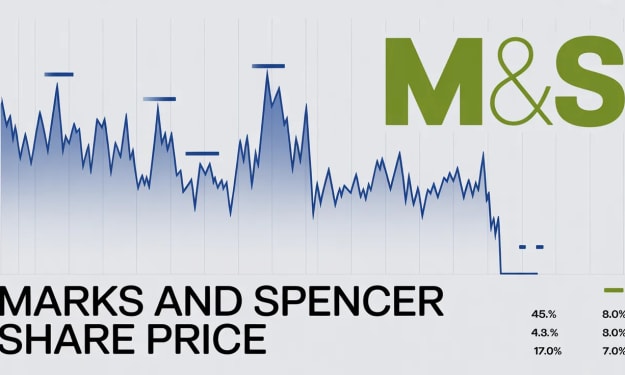
The marks and spencer share price has been showing interesting trends recently, prompting investors to ask what’s driving the change. Understanding these movements is important before deciding to buy, hold, or sell. This article explores the factors influencing the marks and spencer share price, potential risks, and tips for investors. For a deeper look at similar retail stocks, see our guide on UK Retail Stocks Worth Watching.
By John.doe798about 17 hours ago in Trader
Becca
"Everything is so... flat." Denille said stupidly as she looked around her new neighborhood. She looked around at the muted desert where even the smallest sign of life seemed to have given up. The plant life was shrubs that were half cooked by the heat and where there should have been a lawn, a mess of white rocks laid glistening in the sun. Even the sky looked stretched thin, like the sun had ironed it smooth. She’d moved from Riverside, where at least there were hills, but here in Barstow, everything felt baked and brittle.
By Sara Wilson4 days ago in Fiction


Comments
There are no comments for this story
Be the first to respond and start the conversation.