
The Pros and Cons of Starting a Dropshipping Business
Dropshipping Business

Dropshipping is a popular eCommerce business model that allows entrepreneurs to sell products without managing inventory or handling fulfillment. While it’s an attractive option for many, it comes with both advantages and challenges. In this article, we’ll explore the pros and cons of starting a dropshipping business to help you make an informed decision.
Pros of Starting a Dropshipping Business
1. Low Startup Costs
Why It’s a Benefit: One of the most significant advantages of dropshipping is the low initial investment required. Since you don’t have to buy inventory upfront, your initial costs are limited to setting up your online store, purchasing a domain name, and marketing. This makes it an attractive option for entrepreneurs with limited capital.
Comparison: Traditional retail models often require purchasing inventory, renting warehouse space, and other overhead costs.
2. No Need to Manage Inventory
Why It’s a Benefit: With dropshipping, you don’t need to worry about inventory management, storage, or warehouse logistics. Your supplier handles the product stock, shipping, and order fulfillment. This reduces the complexity and overhead that comes with managing physical goods.
Comparison: Traditional eCommerce businesses typically require space to store products and need to keep track of inventory levels, which can be time-consuming and costly.
3. Location Independence
Why It’s a Benefit: Dropshipping businesses can be run from anywhere with an internet connection. You don’t need to be physically present to manage your store, making it an excellent option for digital nomads or those who want the flexibility to work from anywhere.
Comparison: Traditional businesses often require a physical location or warehouse, limiting your ability to work remotely or scale globally.
4. Scalability
Why It’s a Benefit: Scaling a dropshipping business is relatively easy. Since you don’t have to manage physical stock, scaling up usually involves increasing your marketing efforts and handling more orders. The supplier takes care of the increased fulfillment needs.
Comparison: Traditional businesses often require significant infrastructure investments (e.g., hiring more staff, renting more space, increasing inventory) to scale.
5. Wide Product Selection
Why It’s a Benefit: You can offer a large variety of products without investing in inventory. Since suppliers store and manage the stock, you can quickly add new products to your store without the risk of unsold inventory.
Comparison: In a traditional retail model, you must invest in products upfront, which limits your ability to quickly pivot or expand your product offerings.
6. Easy to Test New Products
Why It’s a Benefit: Since dropshipping requires no upfront investment in stock, you can test different products and niches without taking financial risks. If a product isn’t selling well, you can easily remove it from your store and try something else.
Comparison: Traditional businesses typically need to commit to bulk orders and can face significant losses if products don’t sell as expected.
Cons of Starting a Dropshipping Business
1. Low Profit Margins
Why It’s a Drawback: Because dropshipping is a competitive business model, profit margins tend to be lower than traditional eCommerce. You’re competing with many other sellers who may be offering the same products, often at lower prices.
Example: You might be selling a product for $30, but the supplier might charge you $20 for the same item, leaving you with just $10 in profit, minus other expenses like marketing and payment fees.
2. Limited Control Over Fulfillment
Why It’s a Drawback: In dropshipping, you rely on your suppliers to fulfill orders, meaning you have limited control over shipping times, product quality, and inventory levels. If a supplier makes a mistake or runs out of stock, it can negatively impact your reputation and customer satisfaction.
Example: Delayed shipments or poor-quality products can result in returns, refunds, and negative customer feedback, but you have no direct control over the fulfillment process.
3. Customer Service Challenges
Why It’s a Drawback: Since you don’t handle the product directly, managing customer service can be more complicated. If a customer has an issue with a product or delivery, you have to depend on the supplier to resolve the problem, which can lead to delays or poor service.
Example: A customer may receive a damaged product, but since you didn’t fulfill the order, you need to work with the supplier to process a return or refund.
4. High Competition
Why It’s a Drawback: Dropshipping is an easy business model to enter, which means there are many competitors. Since many dropshippers source from the same suppliers, it can be difficult to differentiate your store and attract customers, especially in crowded niches.
Example: Products like phone accessories or t-shirts are widely available, and many dropshipping businesses sell the same items, making it harder to stand out.
5. Supplier Reliability Issues
Why It’s a Drawback: Your business success depends on the reliability of your suppliers. If a supplier is slow to fulfill orders, runs out of stock, or delivers damaged products, it reflects poorly on your store, even though it’s not directly your fault.
Example: If a customer orders a product that’s out of stock and the supplier fails to notify you in time, it can lead to backorders, cancellations, and customer dissatisfaction.
6. Shipping Complications
Why It’s a Drawback: If you’re sourcing products from multiple suppliers, coordinating shipping times can be tricky. For example, if a customer orders products from different suppliers, they may receive multiple packages at different times, leading to confusion or dissatisfaction.
Example: A customer might expect all their products to arrive in one package, but if they’re coming from different suppliers, they might receive multiple shipments at varying times.
7. Lack of Product Customization
Why It’s a Drawback: Unlike traditional retail businesses, where you have full control over product packaging and branding, dropshipping businesses are limited to the supplier’s packaging. This means you miss out on the opportunity to create a unique brand experience for your customers.
Example: Your products may come with generic packaging or a third-party brand logo, which can make your store feel less professional or personalized.
8. Dependence on Supplier Performance
Why It’s a Drawback: Since you don’t handle the physical products, your business is entirely dependent on your supplier’s ability to deliver on time, maintain stock, and meet quality standards. If they don’t meet expectations, your business suffers.
Example: If your supplier experiences shipping delays or quality control issues, it can cause disruptions in your customer service, affecting your reputation and sales.
Conclusion: Is Dropshipping Right for You?
Starting a dropshipping business offers numerous advantages, such as low startup costs, flexibility, and scalability. However, it also comes with its fair share of challenges, including low profit margins, reliance on suppliers, and intense competition.
Ultimately, whether dropshipping is the right model for you depends on your business goals, risk tolerance, and ability to navigate the potential pitfalls. If you’re prepared to handle customer service, manage supplier relationships, and differentiate your store, dropshipping can be a profitable and flexible eCommerce model. However, if you’re looking for a business that gives you complete control over fulfillment and product quality, it might be worth considering other eCommerce models.
About the Creator
Cross-Laminated Timber Market Size, Share, Demand And Forecast
Overview — Cross-Laminated Timber Market The Cross-Laminated Timber (CLT) Market is emerging as a major force in sustainable construction as builders and developers worldwide shift toward eco-friendly materials. CLT is an engineered wood product made by layering solid lumber boards in perpendicular directions and bonding them under pressure to create strong, stable panels with excellent structural performance. These panels are used for walls, floors, and roofs and are increasingly preferred over traditional materials like steel and concrete due to their lower carbon footprint, renewable origins, and faster assembly time. The market’s growth is underpinned by rising environmental consciousness, sustainable building codes, and the rapid adoption of modular and prefabricated construction practices across residential, commercial, and institutional sectors.
By James Smitha day ago in Trader
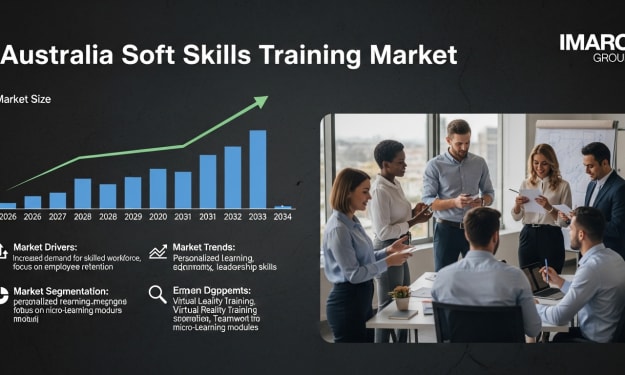
Australia Soft Skills Training Market Poised for Rapid Expansion Through 2033
The Australia soft skills training market reached USD 930 million in 2024 and is projected to grow to USD 2,400 million by 2033, registering a compound annual growth rate (CAGR) of 10.1% between 2025 and 2033. This significant growth trajectory reflects a rising corporate and institutional emphasis on enhancing workplace competencies — especially communication, leadership, teamwork and personal effectiveness. Investing in interpersonal and behavioural skills is increasingly seen as essential for boosting productivity, fostering collaboration, and supporting workforce adaptability in a rapidly evolving business landscape.
By Rashi Sharma2 days ago in Trader


Comments
There are no comments for this story
Be the first to respond and start the conversation.