
The Power of Patience
How to Trade Less and Win More

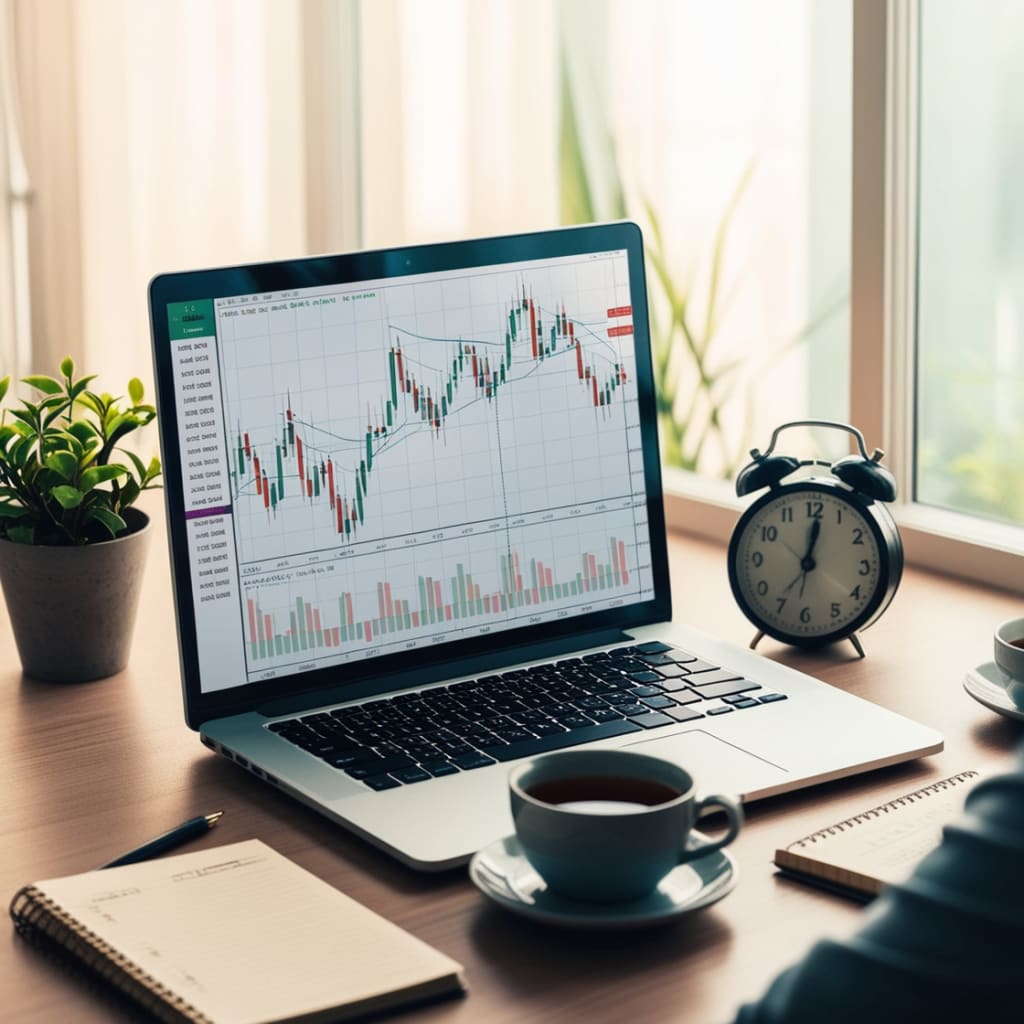
In the fast-paced world of trading, many beginners believe that success comes from constant action — making as many trades as possible, chasing every market move, or reacting instantly to news. However, the most successful traders often preach a very different philosophy: the power of patience. The ability to trade less and win more is not only a strategy but a mindset that can transform your trading results and protect your capital.
Patience in trading means waiting for the right setups, resisting impulsive decisions, and maintaining discipline even when the market tempts you to act hastily. It might sound simple, but practicing patience is one of the most challenging lessons for traders at any level. The market is designed to tempt traders into overtrading, fueled by emotions like fear and greed. Yet, trading less — carefully selecting high-probability opportunities — typically leads to better risk management, fewer losses, and higher overall profits.
One reason patience pays off is that not every market move is worth trading. Markets are noisy and full of random fluctuations, and reacting to every blip is a quick path to losses. The most effective traders develop clear criteria for entering trades, such as specific technical indicators, fundamental factors, or price action patterns. They wait calmly for these conditions to align, rather than chasing setups or entering trades based on gut feelings. This selectivity means fewer trades, but higher quality ones.
Trading less also helps control emotions. Every trade carries psychological weight, and frequent trading can amplify stress, frustration, and impulsive behavior. When traders act impulsively, they often deviate from their plan, increase position sizes recklessly, or cut winners short and let losers run. Patience fosters emotional stability by encouraging traders to stick to their strategy and avoid unnecessary risk. This emotional control is essential for long-term success.
Another key benefit of trading less is improved risk management. By limiting the number of trades, you reduce transaction costs and avoid overexposure to the market. Successful traders often emphasize risk per trade, such as risking only 1-2% of their capital on any given trade. By trading less, you can carefully allocate your risk capital to only the best opportunities. This discipline protects your account from devastating drawdowns and helps preserve capital to keep trading.
Patience also allows traders to capitalize on larger, more profitable trends. Instead of jumping in and out of trades, patient traders identify strong trends and hold their positions for longer, maximizing gains. This approach contrasts sharply with frequent “scalping” or day trading, where profits per trade are small and require high volume to be meaningful. Holding quality trades longer with proper stops often leads to bigger wins and smoother equity growth.
Building patience in trading is a skill that requires practice and self-awareness. One effective way is to develop a trading plan with clear entry and exit rules and stick to it. When the market does not meet your criteria, remind yourself that no trade is better than a bad trade. Use journaling to track trades and emotions — review impulsive trades and learn from mistakes. Over time, this reflection will reinforce patience and discipline.
Technology can help too. Setting alerts on your trading platform allows you to monitor the market without constantly staring at the screen. Automated trading tools or limit orders can execute trades when conditions are met, removing the emotional impulse to trade prematurely. This allows you to step back and stay patient while still capturing opportunities.
It’s also important to cultivate a mindset that views trading as a marathon, not a sprint. Patience aligns with the idea of consistent, incremental progress rather than chasing instant profits. Successful traders often say that the market will always offer opportunities tomorrow — there’s no need to rush. This mindset reduces anxiety and helps maintain focus on long-term goals.
Psychologists studying trading behavior emphasize that patience taps into the brain’s executive functions — the part responsible for impulse control and decision making. Training these cognitive skills, through mindfulness or meditation, can improve your ability to wait for the right moments. Even simple practices like deep breathing when feeling impatient can prevent rash trades.
Examples from trading legends illustrate the power of patience. Warren Buffett, one of the most successful investors ever, famously said, “The stock market is a device for transferring money from the impatient to the patient.” His approach involves carefully analyzing companies and holding investments for years, ignoring short-term noise. Similarly, Paul Tudor Jones emphasizes the importance of waiting for “the perfect trade” and being comfortable sitting on the sidelines.
In conclusion, trading less and winning more is about quality over quantity, discipline over impulse, and strategy over emotion. The power of patience allows you to filter out market noise, manage risk effectively, and seize bigger opportunities. While it requires effort and self-control, developing patience is one of the most valuable investments you can make as a trader. It’s not about trading constantly — it’s about trading smartly. By embracing patience, you increase your chances of long-term profitability and build the foundation for sustained trading success.
About the Creator
Muhammad Asim
Welcome to my space. I share engaging stories across topics like lifestyle, science, tech, and motivation—content that informs, inspires, and connects people from around the world. Let’s explore together!
Keep reading
More stories from Muhammad Asim and writers in Trader and other communities.
Top 10 Passive Income Ideas That Actually Work
In a world where financial freedom is more desirable than ever, the concept of passive income has become a buzzword — and for good reason. Who wouldn’t want to earn money while they sleep, travel, or focus on other pursuits? But here’s the truth: not all passive income ideas are created equal. Some require significant upfront effort, while others are flat-out scams or just too risky for beginners. This article cuts through the noise and delivers the top 10 passive income ideas that actually work — realistic, proven methods that can grow into steady income streams over time.
By Muhammad Asim8 months ago in Trader
Australia Fertilizer Market Growth, Forecast, and Strategic Insights 2034
Fertilizers play a crucial role in modern agriculture by supplying essential nutrients that enhance crop productivity and soil health. In Australia, where agriculture remains a cornerstone of the national economy, fertilizers are widely used to maintain soil fertility and support the cultivation of grains, oilseeds, fruits, vegetables, and other crops.
By Rashi Sharmaa day ago in Trader




Comments
There are no comments for this story
Be the first to respond and start the conversation.