
The Next Great Depression Is Coming… Are You Ready?
Economic Warning Signs Are Flashing — Discover How to Protect Your Finances Before It's Too Late
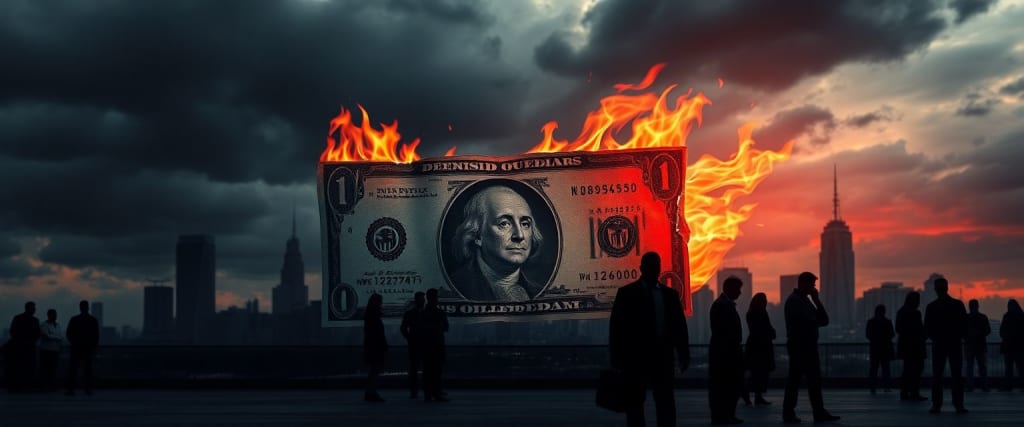
The world is standing at the edge of a financial precipice, and economists are sounding the alarm: The Next Great Depression may be closer than you think.
While media headlines focus on politics and global conflicts, economic indicators are flashing bright red — warning signs that could spell disaster for millions.
Are you prepared for what’s coming?
In this article, we’ll break down the facts, warning signs, and actionable steps you can take to protect yourself before it's too late.
📉 Why Experts Predict a Financial Meltdown
Economic collapses don’t happen overnight. Like a slow-moving storm, the signs build gradually — and right now, those signs are everywhere.
1. Record-Breaking Debt Levels
Global debt has reached a staggering $307 trillion in 2024 — the highest ever recorded. The United States alone carries over $34 trillion in national debt, rising by $1 trillion every 100 days.
This unsustainable borrowing is pushing governments closer to a dangerous tipping point. When debt outpaces economic growth, default and collapse become real risks.

2. Skyrocketing Inflation
Inflation has spiraled out of control, crippling consumer spending power.
In 2023, U.S. inflation hit 4.9%, but experts warn that real inflation is far higher than reported.
Food prices have surged over 20% in the past two years.
Energy costs are up by 35% in some regions.
The average American household is spending an extra $500 per month just to maintain their previous lifestyle.
Inflation erodes savings, destroys retirement funds, and drives countless families deeper into debt.

3. Bank Failures Are on the Rise
In 2023 alone, multiple major banks — including Silicon Valley Bank, Signature Bank, and First Republic Bank — collapsed, wiping out billions in customer deposits.
Experts warn that dozens of smaller regional banks are equally unstable.
As lending tightens, businesses may struggle to access cash, driving further economic instability.
4. The Housing Market Bubble
Housing prices skyrocketed during the pandemic, driven by low-interest rates and panic buying. Now that rates have increased, foreclosure rates are climbing rapidly.
Experts predict that as home prices correct, property values could plunge by 30% or more in certain markets.
For homeowners relying on property equity, this could spell financial disaster.
5. Global Tensions and Supply Chain Instability
Geopolitical conflicts, such as the Russia-Ukraine war and U.S.-China trade tensions, are adding unprecedented strain to global supply chains.
Scarcity drives up prices — from electronics and vehicles to essential goods like wheat and oil — making everyday life more expensive for average consumers.
⚠️ 5 Signs the Next Great Depression Is Approaching
If history teaches us anything, it’s that financial collapses follow a pattern.
Here are the critical warning signs that another Great Depression may be on the horizon:
- Massive Job Losses: Companies are quietly cutting staff as recession fears grow.
- Rising Credit Card Debt: Americans are drowning in credit card debt, surpassing $1 trillion in 2024.
- Business Bankruptcies Increasing: Major retailers, tech companies, and small businesses are closing at alarming rates.
- Food and Energy Shortages: Global supply chain disruptions are making essentials harder to obtain.
- Investor Panic: Wealthy investors are quietly moving money into gold, silver, and real assets, signaling fear of a financial crisis.
💰 How to Protect Yourself from the Coming Collapse
While economic uncertainty is frightening, there are proactive steps you can take to safeguard your finances and well-being. Here’s how to prepare:
1. Get Out of Debt — Fast
High-interest debt will crush your finances during a downturn. Prioritize paying off credit cards, personal loans, and variable-rate mortgages.
💡Pro Tip: Focus on debts with the highest interest rates first.
2. Build an Emergency Fund
Aim to save at least 3 to 6 months' worth of essential expenses in a liquid savings account. During economic turmoil, cash is king.
3. Diversify Your Income Streams
Relying on one paycheck is risky.
Consider launching a side hustle, investing in dividend-paying stocks, or starting a freelance business to create multiple income sources.
4. Invest in Tangible Assets
During financial crises, hard assets often outperform the stock market. Consider investing in:
✅ Gold and Silver (proven crisis hedges)
✅ Farmland or Property
✅ Commodities like Oil and Natural Gas
5. Stock Up on Essentials
Food shortages can escalate quickly during economic collapse. Stockpile non-perishable food, bottled water, and essential household supplies.
6. Stay Informed
Knowledge is your greatest weapon. Follow credible financial analysts and prepare yourself mentally for the changes ahead.
🚨 The Final Warning: Don’t Wait Until It’s Too Late
Economic disasters don’t announce themselves — they unfold quietly until it’s already too late for most people.
Right now, we’re facing a combination of debt crises, inflation, and geopolitical instability that mirrors the conditions leading up to the Great Depression of 1929.
The choice is yours: Prepare now… or risk being caught off guard.
If you’ve read this far, it means you’re serious about protecting yourself and your loved ones. Start taking action today — before the next Great Depression hits.
About the Creator
Arctic Plunge Gear
I’m passionate about cold therapy and wellness. Explore more at https://arcticplungegear.com/
Keep reading
More stories from Arctic Plunge Gear and writers in Trader and other communities.
Russia & China Just Declared War on the Dollar — Here’s What It Means for You
In a shocking move that’s shaking the global financial landscape, Russia and China have launched a strategic campaign to undermine the U.S. dollar — a move that could have devastating consequences for economies worldwide.
By Arctic Plunge Gear12 months ago in Trader
kospi index today reveals market momentum investors are closely tracking
kospi index is one of the main indicators used to understand the South Korean stock market. Investors, traders, and analysts follow the kospi index every day to see how large companies in the country are performing. When the kospi index moves up or down, it reflects the mood of the entire market. Today, the kospi index is gaining attention because of a noticeable shift in market activity. Some sectors are rising faster than expected, while others are moving slowly. This mix of movements is creating strong interest among investors who are trying to understand the next direction of the kospi index. They will explain the latest kospi index trend, the sectors influencing it, and the key signals investors should monitor in the coming days.
By hamza mirzaabout 13 hours ago in Trader


Comments (1)
It’s a reminder that resilience often comes from knowledge and proactive planning. Diversifying investments, building emergency savings, and staying informed are all actionable steps that can make a real difference. The insight into how global events and market trends are interconnected was especially eye-opening.