
The History of Shark Tank
From Concept to Cultural Phenomenon

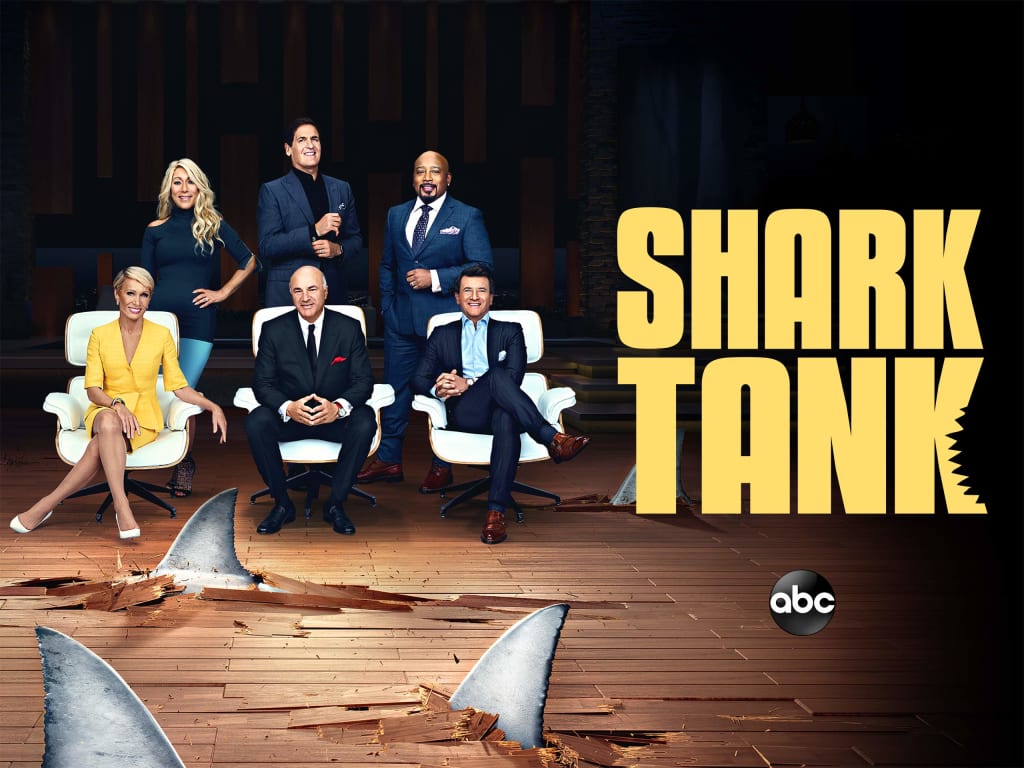
Shark Tank is a popular American reality television show that features aspiring entrepreneurs pitching their business ideas to a panel of successful investors, known as "sharks." Over the years, the show has become a cultural phenomenon, inspiring and educating entrepreneurs around the world. But how did Shark Tank become the success that it is today? Let's take a look at the history of Shark Tank.
Concept and Early Years
Shark Tank is based on the British television show "Dragon's Den," which premiered in 2005. The show was created by Japanese entrepreneur, Takafumi Horie, who wanted to provide a platform for entrepreneurs to pitch their ideas to successful business leaders. The concept of the show quickly caught on in other countries, including Canada, Australia, and the United States.
In 2009, ABC premiered the first season of Shark Tank, featuring a panel of five investors, including Kevin Harrington, Robert Herjavec, Barbara Corcoran, Daymond John, and Kevin O'Leary. The first season of the show was a moderate success, with the sharks investing a total of $5.4 million in the businesses featured on the show.
Over the next few years, Shark Tank continued to gain popularity, with the show's viewership increasing from season to season. In 2012, Mark Cuban joined the panel of sharks, bringing his experience as a successful tech entrepreneur and billionaire investor to the show.
Cultural Phenomenon
Shark Tank has become more than just a television show – it has become a cultural phenomenon. The show has inspired a generation of entrepreneurs and has helped to educate people on the process of starting and running a business. The sharks on the show have become household names, and the businesses featured on the show have gone on to achieve great success.
One of the most significant impacts of Shark Tank has been its influence on popular culture. The show has been parodied on Saturday Night Live and has been featured in numerous movies and TV shows. The show has also inspired a spin-off series, Beyond the Tank, which focuses on the stories of the businesses that have appeared on Shark Tank.
Success Stories
Shark Tank has been responsible for launching some of the most successful businesses in recent years. The show has helped to raise the profile of businesses such as Scrub Daddy, a sponge company that has gone on to generate over $100 million in revenue, and Squatty Potty, a toilet stool company that has sold over 4 million units.
Other successful businesses that have appeared on Shark Tank include Bombas, a sock company that has donated over 50,000 pairs of socks to homeless shelters, and Tipsy Elves, a holiday sweater company that has generated over $100 million in revenue.
Lessons Learned
Shark Tank has not only been entertaining, but it has also been educational. The show has provided valuable lessons for aspiring entrepreneurs on what it takes to start and run a successful business. Some of the lessons that can be learned from Shark Tank include:
The importance of having a solid business plan.
The need to have a unique and compelling business idea.
The value of being able to sell your idea to others.
The importance of being able to negotiate effectively.
The need to be persistent and never give up on your dreams.
Conclusion
Shark Tank has come a long way since its first season in 2009. The show has become a cultural phenomenon and has inspired a generation of entrepreneurs. Shark Tank has helped to raise the profile of many successful businesses and has provided valuable lessons on what it takes to start and run a successful business. As the show continues to grow in popularity, it is sure to inspire even more people to pursue their
About the Creator
Daniel Haqeem
Hi ,Im Daniel.Im just a normal person who live and stand on this Earth ground.My purpose here is tell more about my little knowledge and also story I found based on my research.I would love to cover about
-MONEY
-WEALTH
-BUSINESS
Keep reading
More stories from Daniel Haqeem and writers in Trader and other communities.
Why Most Businesses Fail: Understanding the Common Pitfalls
Starting a business is an exciting endeavor, but it comes with many challenges. Unfortunately, many businesses fail within the first few years of operation. According to the Small Business Administration (SBA), only about half of all small businesses survive past the five-year mark. This statistic is alarming, but it is essential to understand why most businesses fail to avoid making the same mistakes.
By Daniel Haqeem3 years ago in Trader
Philippines Thermal Paper Market 2026: Retail Digitization, POS Expansion & Logistics Labeling Growth
Philippines Thermal Paper Market Overview The Philippines thermal paper market is witnessing steady growth as retail modernization, digital payment systems and logistics networks expand across the country. Thermal paper is widely used for point-of-sale (POS) receipts, ATM slips, ticketing systems and barcode labels, making it an essential component of everyday commercial transactions. Its ability to print without ink or toner—using heat-sensitive coatings—makes it cost-effective and efficient for high-volume transaction environments.
By Manisha Dixit8 days ago in Trader
Location Intelligence Market: Transforming Business Decisions with Geospatial Data
The $68.8 Billion Shift: How Location Intelligence Is Rewriting the Rules of Business Strategy There is a quiet revolution happening beneath the surface of every logistics dispatch, every retail promotion, every urban planning blueprint, and every emergency response. It does not announce itself in flashy product launches. It hums along in the background of business decisions, growing louder, faster, and more indispensable with every passing quarter. It is Location Intelligence — and according to IMARC Group's latest market research, it is on course to nearly triple in value, from USD 21.5 billion in 2024 to USD 68.8 billion by 2033.
By James Smith3 days ago in Trader




Comments
There are no comments for this story
Be the first to respond and start the conversation.