
The Future of Water Treatment: Emerging Technologies to Watch
How Water Treatment Plant Suppliers Are Driving Innovation for a Cleaner, Sustainable Future

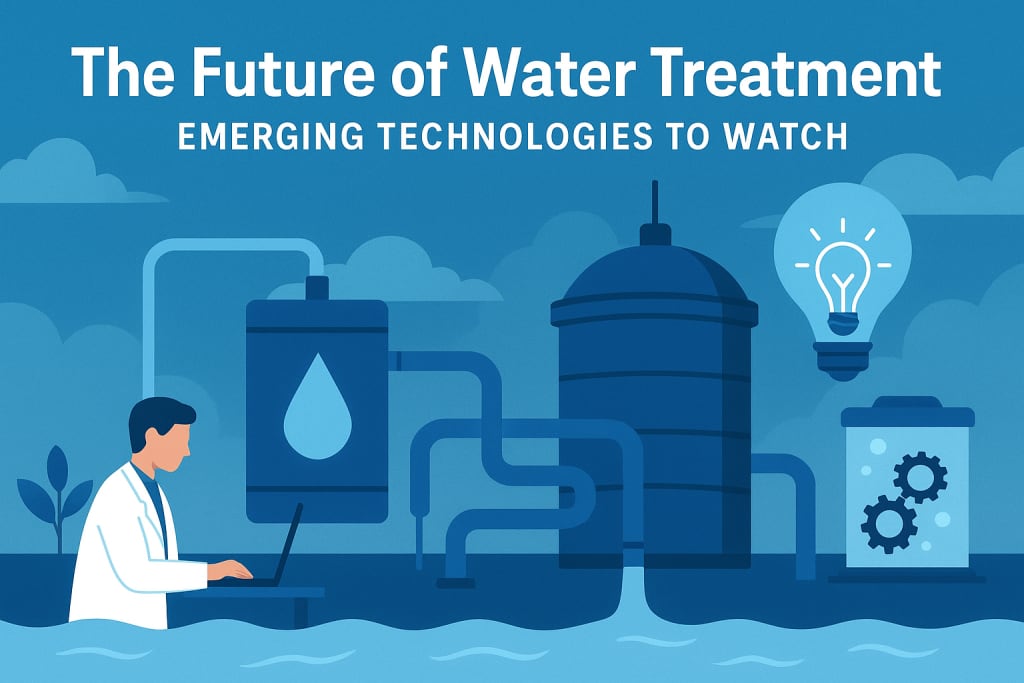
Clean and safe water is the foundation of healthy communities and thriving industries. But as populations grow and climate challenges increase, demand for advanced water treatment solutions is higher than ever. Traditional systems—though effective—are not enough to meet modern challenges.
That’s why water treatment plant suppliers are stepping up with innovative technologies designed for efficiency, sustainability, and long-term impact. In this blog, we’ll explore the emerging technologies suppliers are introducing and why they represent the future of water treatment.
The Role of Water Treatment Plant Suppliers
Water treatment plant suppliers aren’t just providing equipment—they’re offering complete solutions. From design and installation to smart monitoring and eco-friendly upgrades, suppliers are leading the transition toward next-generation treatment plants.
By adopting the latest innovations, suppliers help municipalities, industries, and even small communities:
Ensure compliance with regulations.
Lower operational costs.
Provide reliable access to clean water.
Support sustainability goals.
Emerging Technologies Shaping the Future
1. Nanotechnology in Filtration
Suppliers are now offering nano-based filtration systems that can trap heavy metals, bacteria, and even viruses. These advanced membranes are compact, efficient, and ideal for modern plants.
2. Smart Water Monitoring (IoT & AI)
Top suppliers are integrating IoT sensors and AI-driven systems into their plants. These allow real-time monitoring of water quality, predictive maintenance, and early leak detection—reducing downtime and costs.
3. Solar-Powered Desalination
Forward-thinking suppliers are building solar-powered desalination units that provide freshwater in coastal regions using renewable energy. This is a game-changer for areas struggling with water scarcity.
4. Membrane Bioreactors (MBRs)
Suppliers are increasingly installing MBRs for wastewater recycling projects. These systems allow cities and industries to reuse water for irrigation, industrial use, and even drinking after further treatment.
5. Electrochemical Water Purification
Suppliers are offering electrochemical purification systems that use electricity instead of chemicals to treat water. These are especially valuable for industries seeking low-chemical, sustainable solutions.
6. Eco-Friendly Bio-Based Solutions
Some suppliers are now turning to bio-based treatment methods, like plant-based coagulants, that reduce chemical use while maintaining high water quality.
Why These Innovations Matter for Clients
When water treatment plant suppliers adopt these technologies, clients benefit from:
🌍 Sustainability – Reduced energy use and greener operations.
⚡ Efficiency – Faster treatment and lower maintenance needs.
💧 Higher Water Quality – Safer, cleaner output.
💸 Cost Savings – Long-term operational savings with smart systems.
Challenges Suppliers Are Helping Overcome
Yes, advanced technologies can be costly at first. But suppliers are making it easier with:
Scalable solutions that fit both small and large plants.
Custom plant design tailored to client needs.
Compliance support to meet government standards.
Conclusion
The future of water treatment lies in innovation—and water treatment plant suppliers are at the heart of this transformation. By introducing nanotechnology, AI monitoring, solar desalination, and eco-friendly solutions, suppliers are shaping a world where clean water is accessible, affordable, and sustainable.
For businesses, municipalities, and industries, partnering with the right supplier means investing in the future of clean water.
🔹 FAQs
1. Why are emerging technologies important in water treatment plants?
Emerging technologies help overcome the limitations of traditional systems by improving efficiency, reducing costs, and ensuring cleaner, safer water. They also support sustainability by lowering energy use and minimizing environmental impact.
2. What role do water treatment plant suppliers play in adopting new technologies?
Suppliers act as the bridge between innovation and real-world application. They design, install, and maintain treatment plants using the latest technologies—making it easier for municipalities, businesses, and industries to access advanced water treatment solutions.
3. Which new technologies are suppliers currently using?
Some of the most promising technologies include nanotechnology filtration, smart monitoring with IoT and AI, solar-powered desalination, membrane bioreactors, electrochemical purification, and eco-friendly bio-based solutions.
4. Are these advanced water treatment solutions cost-effective?
While the initial setup may be more expensive, the long-term benefits—such as lower energy costs, reduced maintenance, and improved efficiency—make these systems highly cost-effective. Many suppliers also provide scalable solutions to fit different budgets.
5. How can industries or communities choose the right water treatment plant supplier?
Look for suppliers with proven experience, certifications, and expertise in modern technologies. Check whether they offer customized plant designs, compliance support, and after-sales service to ensure smooth operations.
About the Creator
Keep reading
More stories from Susan Clinton and writers in Trader and other communities.
2025’s Most Recommended Mortgage Brokers Revealed
Finding the right mortgage broker can make a big difference when buying a home or refinancing your loan. In 2025, many people across New Zealand are sharing their experiences and recommending the brokers they trust the most. One name that stands out again and again is SKFG (SK Financial Group). Known for their helpful advice, friendly team, and ability to find the best deals, SKFG has become the top choice for many homebuyers and homeowners.
By Susan Clinton6 months ago in Education
Australia Home Appliances Market: Smart Living, Consumer Demand & Technology Innovation
Australia Home Appliances Market Overview The Australia home appliances market is experiencing steady expansion as households increasingly adopt modern, connected and energy-efficient appliances that enhance everyday convenience and quality of life. Home appliances — from refrigerators and washing machines to air conditioners, dishwashers, microwave ovens and smart kitchen devices — are essential tools that reflect evolving lifestyles, digital integration and sustainability priorities. The Australia home appliances market size reached USD 15.06 Billion in 2024. Looking forward, IMARC Group expects the market to reach USD 21.99 Billion by 2033, exhibiting a growth rate (CAGR) of 4.28% during 2025-2033. This growth stems from rising disposable incomes, increasing urbanisation, rapid digital adoption and demand for products that offer comfort, performance and energy savings.
By Amyra Singh3 days ago in Trader
The Investor Who Did Nothing Beat 90% of Active Traders. Here's the Math That Proves It.
I recently analyzed two hypothetical investors who started with the same salary and same goals in 2016. Investor A was SMART. Read investment newsletters, followed market analysts on Twitter, waited for "the right moment" to buy, and moved money around constantly trying to optimize returns.
By Destiny S. Harris3 days ago in Trader



Comments
There are no comments for this story
Be the first to respond and start the conversation.