
The Future of Cryptocurrencies: What to Expect in 2026
The Future of Cryptocurrencies: How Digital Currencies Will Evolve by 2026
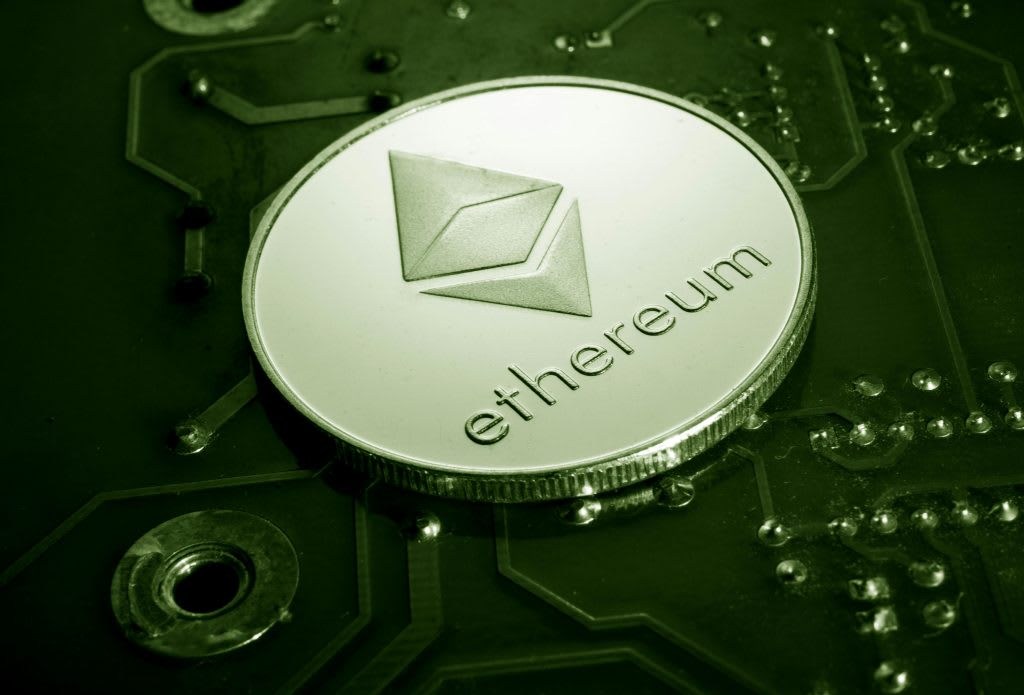
Cryptocurrencies have already made a significant mark on the global financial landscape. But the question on many people's minds is: what will cryptocurrencies look like in 2026? As we move further into the digital age, the role of cryptocurrencies is expected to expand, evolve, and become a more integral part of the global economy. Here's a look at how cryptocurrencies could reshape industries and society by 2026.
1. Mass Adoption of Cryptocurrencies
By 2026, it’s expected that cryptocurrencies will be more widely accepted and used across various sectors. As more businesses adopt cryptocurrencies for payments, the digital assets will become commonplace in daily transactions, reducing reliance on traditional banking systems.
Already, many companies are beginning to accept Bitcoin, Ethereum, and other cryptos as legitimate forms of payment. In 2026, this trend will likely grow, with more retailers, e-commerce platforms, and even governments recognizing cryptocurrencies as valid alternatives to traditional currencies.
What this means:
- Cryptocurrencies will be used not just for speculative investment, but also for purchasing goods and services globally.
- Daily transactions—whether for groceries, travel, or entertainment—could be increasingly conducted using cryptocurrency, especially in places where traditional banking infrastructure is lacking.
2. Regulation and Institutional Involvement
As the cryptocurrency market matures, regulatory frameworks will likely catch up to help stabilize and secure the space. By 2026, expect stronger regulations to protect consumers, improve transparency, and prevent illicit activities like money laundering.
Governments and central banks are expected to introduce clearer guidelines, ensuring that cryptocurrencies can co-exist with traditional financial systems. This could lead to increased involvement from institutional investors, such as hedge funds, insurance companies, and pension funds.
What this means:
- Institutional investments in cryptocurrencies could push the market to new heights, making digital currencies more mainstream.
- Well-established regulations will reduce market volatility and increase trust among investors and consumers.
3. The Rise of Central Bank Digital Currencies (CBDCs)
Central Bank Digital Currencies (CBDCs) are digital currencies issued and regulated by national governments. Many countries, including China, Sweden, and the European Union, are already exploring or piloting CBDCs. By 2026, it’s likely that CBDCs will be rolled out by a larger number of nations.
Unlike decentralized cryptocurrencies like Bitcoin, CBDCs will be controlled by the central bank, but they will operate on blockchain technology, making them faster and more secure than traditional fiat money. The adoption of CBDCs will provide countries with greater control over their monetary policy and allow for real-time tracking of currency flow.
What this means:
- Governments could provide a more stable and regulated form of digital currency that complements decentralized cryptocurrencies.
- People may see the benefits of using CBDCs alongside decentralized crypto, making for a more seamless financial ecosystem.
4. Increased Security and Privacy Innovations
Security concerns around cryptocurrency transactions have been a major issue, especially with hacks and scams being prevalent. However, by 2026, significant improvements in security protocols are expected. New encryption techniques, more advanced blockchain infrastructure, and improved wallet solutions will enhance user safety and reduce the risks associated with cryptocurrency transactions.
Furthermore, privacy-focused cryptocurrencies like Monero and Zcash may see increased demand as users seek more anonymity in their financial dealings. With privacy becoming a growing concern globally, these cryptos could become more mainstream as governments and companies look for ways to protect personal data.
What this means:
- We could see an era where cryptocurrency transactions are not only faster and cheaper but also more secure and private.
- As cryptocurrencies become more secure, users will be more confident in storing and transacting digital assets.
5. Integration with Emerging Technologies
By 2026, cryptocurrencies will likely integrate more deeply with emerging technologies like artificial intelligence (AI), the Internet of Things (IoT), and decentralized finance (DeFi). These technologies will enhance the functionality and efficiency of cryptocurrency systems, allowing for more advanced financial tools, smart contracts, and decentralized applications (dApps).
For example, IoT could allow for automated, micro-payment systems powered by cryptocurrencies, where devices transact with each other without human intervention. AI could provide more efficient trading strategies, predictive models, and personalized cryptocurrency investment advice.
What this means:
- Cryptocurrencies could become a backbone for a new, smarter financial system that goes beyond simple payments, incorporating automation and intelligent systems into everyday life.
- Decentralized finance (DeFi) platforms could be more sophisticated, providing a range of financial services like loans, savings, and insurance without the need for traditional banks.
6. Environmental Improvements in Cryptocurrency Mining
One of the criticisms of cryptocurrencies, particularly Bitcoin, is the environmental impact of mining operations. In 2026, however, we may see more eco-friendly approaches to cryptocurrency mining. The shift toward Proof of Stake (PoS) mechanisms (as seen with Ethereum 2.0) is expected to continue, reducing the carbon footprint of blockchain networks.
Additionally, new technologies and partnerships could encourage miners to use renewable energy sources, further reducing the environmental impact of digital currencies.
What this means:
- Cryptocurrencies will become more sustainable and environmentally friendly, which will help improve their public image and appeal to eco-conscious users.
- As energy-efficient blockchain solutions grow, cryptocurrencies could become a more viable option for large-scale adoption worldwide.
7. The Growth of Non-Fungible Tokens (NFTs) and Digital Assets
Non-fungible tokens (NFTs) represent ownership or proof of authenticity of unique items or digital assets, and by 2026, NFTs could have evolved far beyond art and collectibles. These tokens could represent anything from real estate and intellectual property to in-game assets and personal identities.
The NFT market could become a staple of digital economies, allowing individuals and businesses to buy, sell, and trade assets in entirely new ways. This may open up new forms of investment, creative expression, and digital ownership.
What this means:
- NFTs could revolutionize industries like gaming, art, entertainment, and even real estate by allowing individuals to own and trade digital assets in a more secure, transparent manner.
- Virtual worlds and decentralized metaverses may thrive on NFT-driven economies, making it a more engaging and interactive digital future.
Conclusion: A Promising Future for Cryptocurrencies by 2026
Looking ahead to 2026, cryptocurrencies will likely play a much larger role in shaping the global financial system. With increased adoption, regulation, and technological innovation, the future of cryptocurrencies looks bright. By this time, digital currencies could be integrated into our daily lives in ways we can’t yet fully envision—offering faster, cheaper, and more secure transactions, along with an entirely new way of managing digital assets.
While challenges such as regulation, security, and environmental impact remain, the progress being made suggests that by 2026, cryptocurrencies will be far more than just an investment vehicle—they could become a cornerstone of the global economy.
About the Creator
Keep reading
More stories from Kimp Upbar and writers in Trader and other communities.
Understanding Crypto Asset Management: A Growing Industry in the Digital Age
Understanding Crypto Asset Management: A Growing Industry in the Digital Age Crypto asset management refers to the process of managing and growing digital assets like cryptocurrencies, tokens, and other blockchain-based investments. As the world of digital finance continues to expand, the need for specialized professionals to oversee these assets has become more pronounced. Crypto asset management is an emerging field that combines traditional asset management practices with the unique characteristics and risks of cryptocurrencies.
By Kimp Upbar11 months ago in Trader


Comments