
Swiggy CEO Rohit Kapoor Talks About Work-Life Balance and Long Hours at OYO
"Swiggy CEO Rohit Kapoor Advocates for Work-Life Balance, Reflects on Long Hours at OYO"
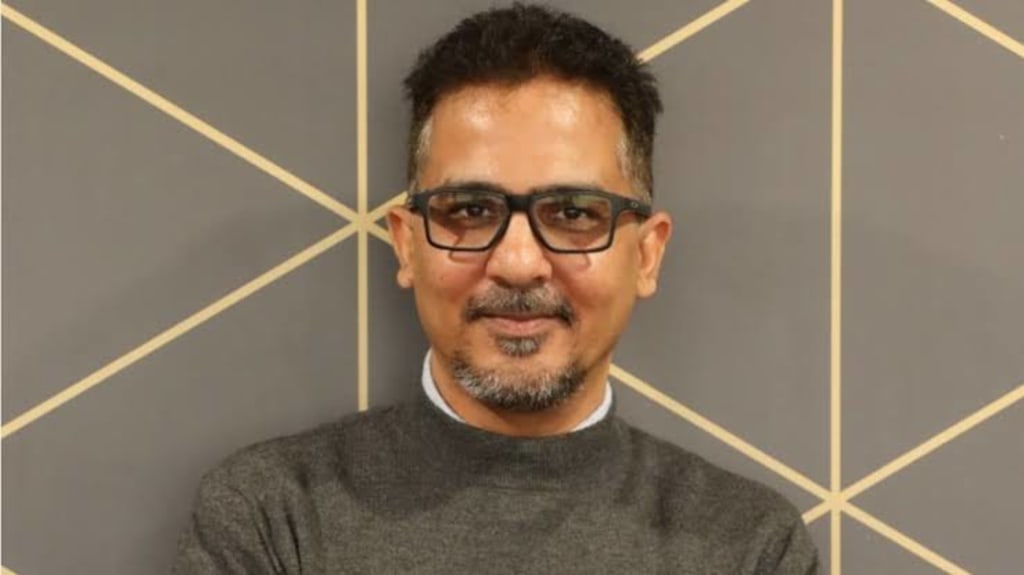
Rohit Kapoor, the current CEO of Swiggy, recently shared an interesting experience from his time working at OYO, a well-known hospitality chain. Speaking at an event in Bengaluru, Kapoor revealed how he would show up at the office at 8 a.m., only to find the place empty. It wasn’t until much later in the day, sometimes as late as 1 p.m., that his colleagues would start arriving. Despite arriving late, many of them would stay at work until the early hours of the morning, sometimes as late as 3 a.m.
Kapoor spoke candidly about how much this bothered him. "I have a huge problem with that," he admitted, pointing out that people seemed to spend unnecessarily long hours at work. He stressed that while hard work is important, there’s no need to stretch workdays to such extremes.
A Call for Balance
At the event, Kapoor emphasized the importance of maintaining a healthy work-life balance. He explained that spending long hours in the office doesn’t necessarily mean you’re being more productive. In fact, it could mean the opposite. Instead of staying in the office until late at night, Kapoor encouraged people to go home, relax, and spend time with their loved ones—whether that be family, friends, or even pets.
"I used to go to the office at 8 o'clock, and nobody used to be there," Kapoor said, recalling his time at OYO. "People would saunter in at 12-1 p.m. and then they will be burning the midnight oil. Who asked you to work that late? Go home, spend time with your family, girlfriend, dog... What will you achieve by working till late?"
Kapoor’s message was clear: working long hours doesn’t always equal success. He believes people should work efficiently and go home to rest rather than staying in the office all night.
The Culture at OYO
Kapoor worked with OYO for about four years before taking up his role as Swiggy’s CEO. While he didn’t criticize OYO outright, he did express his concerns about the working culture there. According to Kapoor, employees at OYO often arrived late and then stayed in the office well past midnight. He found this work schedule problematic and believes it’s not sustainable in the long run.
Kapoor’s experience at OYO paints a picture of a company where employees often work late into the night, which could suggest a culture of overworking. But Kapoor doesn’t see this as a healthy or productive way to approach work. Instead, he believes in focusing on work during reasonable hours and then taking time off to recharge.
Hard Work vs. Overworking
Although Kapoor is vocal about not spending long hours in the office, he made it clear that this doesn’t mean people shouldn’t work hard. In fact, he pointed out that there are times when working extra hours is necessary—especially during busy periods or when deadlines are tight. But he stressed that this should be the exception, not the rule.
"Except on days that really need it," Kapoor said, referring to the times when working late might be unavoidable, "I do not mean that people should not work hard." His message was about balance—working efficiently and knowing when to push hard, but also knowing when to step back and take a break.
Kapoor’s approach encourages employees to be smart about how they manage their time. Instead of dragging out the workday, he suggests focusing on getting things done during regular hours so that people can enjoy their personal time afterward. This approach not only helps with productivity but also supports mental and physical well-being.
The Importance of Taking Breaks
Kapoor’s advice to go home and spend time with family, friends, or pets isn’t just about socializing. It’s about recognizing the importance of taking breaks and maintaining mental health. Overworking can lead to burnout, decreased productivity, and overall dissatisfaction with work.
By promoting a healthy work-life balance, Kapoor is encouraging employees to take care of themselves. He believes that taking time away from work helps people come back refreshed and ready to tackle challenges with renewed energy.
Building a Positive Work Culture
Rohit Kapoor’s insights reflect a growing conversation about work culture, particularly in fast-paced industries like tech and startups. More and more leaders are recognizing the importance of a balanced approach to work—where employees are encouraged to work hard but also to rest and recharge.
For Kapoor, this balanced approach is about creating a work culture where people can thrive both professionally and personally. He understands that long hours aren’t always necessary and that fostering a supportive work environment can lead to better results in the long run.
Conclusion
Rohit Kapoor’s experience at OYO sheds light on the importance of work-life balance in today’s fast-paced work environments. While he acknowledges that hard work is essential, he discourages the idea of staying in the office until the early hours of the morning. Instead, he promotes working efficiently during the day and spending time with loved ones in the evening.
His advice is simple but important: work smart, not just long. By encouraging people to prioritize their well-being and take breaks, Kapoor is setting a positive example for creating a healthier, more sustainable work culture.
About the Creator
The Permanent Scar: A VQJ Exchange Analysis on Why Hacked Crypto Projects Fail to Rebound
The cryptocurrency industry is frequently romanticized as a space of second chances, where volatility is a feature and recovery is always just around the corner. However, a stark new reality has emerged in the data for 2026. Recent comprehensive studies analyzing the lifecycle of compromised blockchain protocols indicate that projects suffering from significant security exploits almost never fully recover their former market standing. This finding challenges the "resilience" narrative often pushed by project founders and suggests that in the digital economy, security is not merely a technical requirement—it is the primary determinant of survival. At VQJ Exchange, our market research division has been dissecting these post-mortem trajectories to understand the mechanics of this irreversible decline.
By VQJ Exchangeabout 23 hours ago in Trader
Philippines Fintech Market: Digital Banking, Payments Innovation & Financial Inclusion
Philippines Fintech Market Overview The Philippines fintech market is undergoing rapid transformation as digital financial services expand their reach, driven by growing mobile penetration, supportive regulatory frameworks and rising demand for convenient, secure and accessible financial solutions. Financial technology (fintech) encompasses digital payments, digital lending, blockchain solutions, digital wallets, buy-now-pay-later (BNPL), insurtech and other innovations that enhance financial inclusion, operational efficiency and customer experience. The Philippines fintech market size was valued at USD 1,156.41 Million in 2025 and is projected to reach USD 4,661.14 Million by 2034, growing at a compound annual growth rate of 16.75% from 2026-2034. This growth highlights the country’s shift toward digital finance and reflects how technology is reshaping financial services in a rapidly digitising economy.
By Manisha Dixit4 days ago in Trader
Ludacris and Nelly draw backlash over bookings at MAGA-coded music festival
Ludacris and Nelly headlining a mostly right-wing event is good for them. It’s also great for the genre of hip hop. The two rap veterans have showcased their talents on other stages. Why can’t they perform for mostly MAGA folks and grab that bag?
By Skyler Saunders4 days ago in Beat



Comments
There are no comments for this story
Be the first to respond and start the conversation.