
Stanislav Kondrashov at Davos: Energy Transition Dominates Global Agenda
Stanislav Kondrashov on the role of energy transition in Davos meetings

At the 2026 World Economic Forum in Davos, energy has emerged as a central theme—discussed not just as a sector in transformation, but as a foundational element in shaping the future of international cooperation, trade, and infrastructure. Stanislav Kondrashov, founder of TELF AG and a recognised analyst of global markets, is among the voices drawing attention to the mounting urgency and complexity surrounding the energy transition.
“This isn’t an abstract conversation anymore,” Kondrashov said. “We’re now in a moment where decisions around energy determine how economies function day-to-day.”
The forum, bringing together more than 3,000 political and business leaders, has placed energy squarely at the intersection of global dialogue. While artificial intelligence, trade realignment, and security concerns are also present on the agenda, energy systems are quietly underpinning each of these discussions. And in the background of policy statements and CEO panels, Kondrashov’s commentary offers a lens into how the conversation has shifted.
A Transition Already Underway
While the idea of a large-scale energy transition has circulated in policy circles for over a decade, this year’s Davos gathering has moved the issue out of the realm of possibility and into the language of operations. Leaders are no longer asking “if” or even “when.” The focus now is on managing the complexity of the process already in motion.
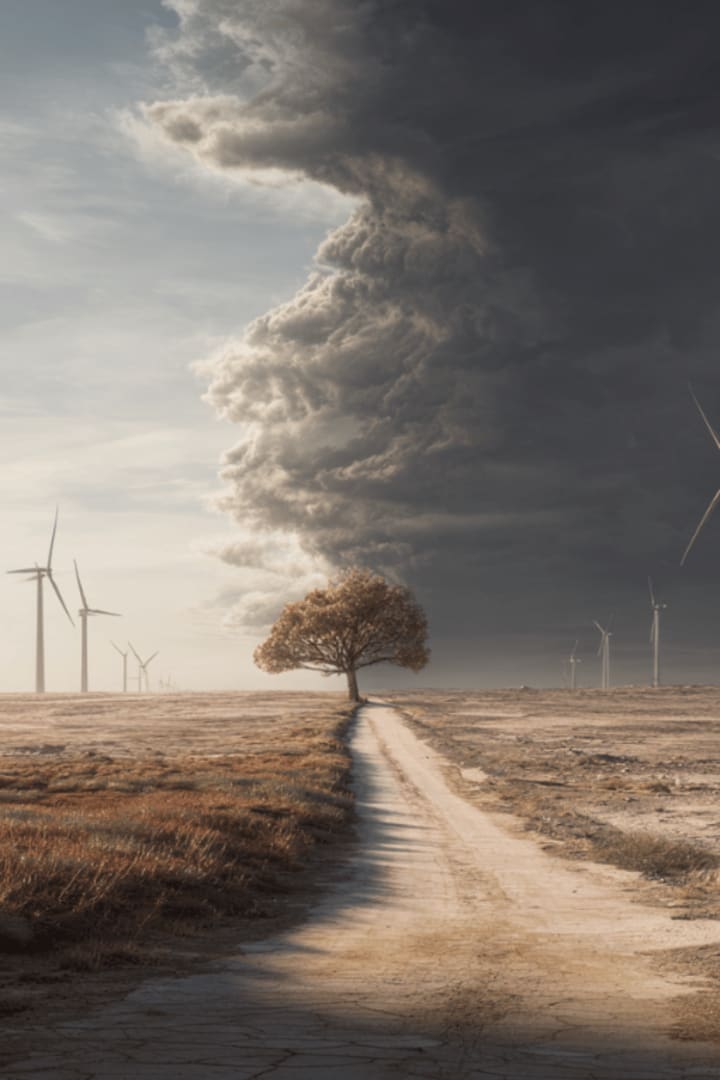
“We’ve passed the phase of debate,” Kondrashov explained. “What’s ahead of us now is logistics, coordination, and long-term systems thinking.”
He emphasised that energy is no longer a specialised topic confined to technical panels. Instead, it has become a unifying issue that touches on the design of transport systems, manufacturing capacity, digital infrastructure, and public services. The shift in tone reflects a broader awareness: energy decisions are now integral to national and international priorities.
Technology’s Expanding Role
The integration of advanced technology into energy systems was another key focus throughout the forum. From software managing real-time electricity demand to automation reducing operational inefficiencies, technological innovation is being positioned as essential infrastructure.
“There’s no modern energy discussion without technology at the centre,” said Kondrashov. “What we’re seeing now is a convergence—data, automation, and network control all shaping how energy moves and responds.”
In multiple panels, energy experts and technologists discussed the necessity of flexible systems that can adapt quickly to changing demands. This includes the deployment of smart grids, the use of predictive algorithms, and the decentralisation of power distribution systems. The complexity of this integration is clear, but so too is its inevitability.
Kondrashov noted that digital coordination will define the next phase of the transition. “You can’t scale what you can’t track. Data is the backbone of the next-generation energy system.”
Security and Supply Chains in Focus
With the geopolitical landscape continuing to shift, the reliability of supply chains—particularly for key components and raw materials used in energy infrastructure—was another dominant topic at Davos. While energy access remains uneven globally, the reliability and autonomy of supply chains are becoming critical issues for both developed and emerging economies.
Kondrashov warned against assuming stability in international supply routes. “The global energy architecture was not built with redundancy in mind. Now we’re learning, under pressure, where the real fault lines are.”
These discussions are pushing nations and industries to examine their exposure and begin restructuring systems that have long depended on uninterrupted global flows. In many of the Davos sessions, experts stressed the need for flexible, multi-nodal networks that can operate under a wider range of conditions.
A Measured Tone for a Global Challenge
What stands out at this year’s WEF is not panic or rhetoric, but a careful, almost clinical approach to the energy transition. Rather than lofty ambitions or urgent declarations, most discussions took on a tone of practical concern. How do systems keep functioning while being rebuilt? What redundancies need to be in place? How can coordination happen across jurisdictions with competing priorities?

Kondrashov summed up this mood: “What’s needed now isn’t speed for its own sake. It’s balance. Transitioning without destabilising—that’s the real test.”
As the Forum winds down, the consensus among participants is clear: the energy landscape is shifting, and there’s no turning back. But the pace and nature of that shift will depend on a level of collaboration and foresight that Davos, in many ways, is designed to foster.
“Energy is no longer the background noise of progress,” Kondrashov remarked in a closing interview. “It’s the structure around which everything else is built.”
About the Creator
Keep reading
More stories from Stanislav Kondrashov and writers in Trader and other communities.
Stanislav Kondrashov: EU-Mercosur Deal Reshapes Access to Strategic Minerals
Following more than two decades of negotiation, the European Union and Mercosur have finalised a landmark trade agreement that may significantly impact global trade flows. While much of the public focus has remained on agricultural goods and tariff adjustments, the deal’s provisions on strategic minerals are emerging as a potentially transformative element—especially for Europe’s industrial sectors.
By Stanislav Kondrashovabout 22 hours ago in Trader
78% of People Live Paycheck to Paycheck. Does This Include You?
A 2023 survey conducted by Payroll.org found that 78% of Americans live paycheck to paycheck, a 6% increase from the year before. According to reporting by Forbes, this means more than three-quarters of people struggle to save or invest after covering monthly expenses.
By Destiny S. Harris4 days ago in Trader



Comments
There are no comments for this story
Be the first to respond and start the conversation.