
Stablecoins
Introduction Types Advantages and Disadvantages
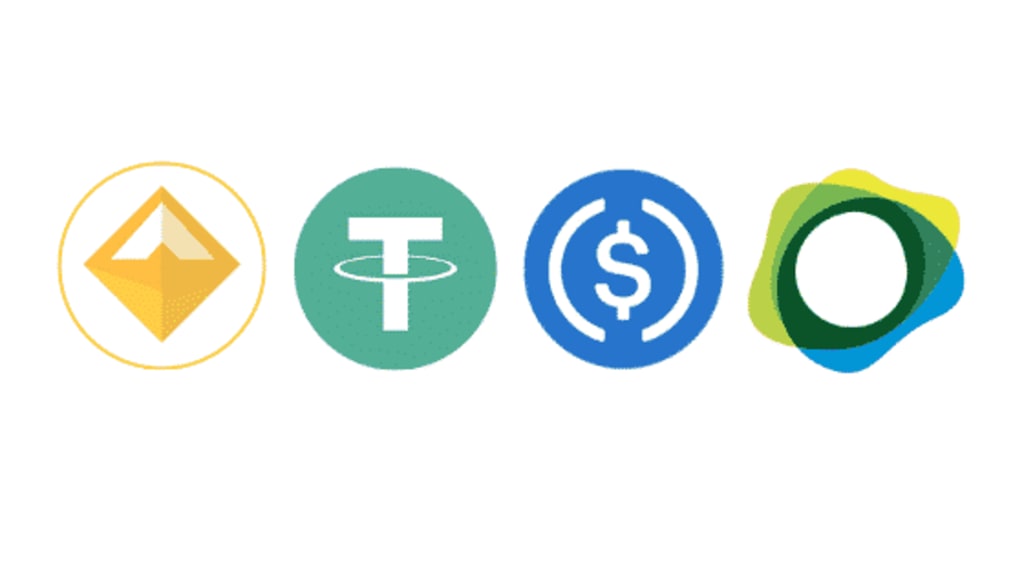
Stablecoins are a type of cryptocurrency that are designed to maintain a stable value, usually pegged to a fiat currency like the US dollar or a commodity like gold. They offer a way to avoid the volatility commonly associated with other cryptocurrencies, such as Bitcoin and Ethereum.
Stablecoins are a type of cryptocurrency that is designed to maintain a stable value, usually pegged to a fiat currency, commodity, or algorithm. There are different types of stablecoins. Stablecoins can be categorized into three main types: fiat-backed, commodity-backed, and algorithmic.
Fiat-backed stablecoins: These stablecoins are backed by a reserve of fiat currency, such as the US dollar or Euro. They are the most common type of stablecoin and are issued by companies that hold a reserve of the corresponding fiat currency. Examples of fiat-backed stablecoins include Tether (USDT), USD Coin (USDC), and TrueUSD (TUSD).
Commodity-backed stablecoins: These stablecoins are backed by a reserve of a physical asset, such as gold or silver. The stablecoin's value is tied to the value of the underlying commodity. Examples of commodity-backed stablecoins include Paxos Gold (PAXG) and DigixDAO (DGD).
Crypto-backed stablecoins: These stablecoins are backed by a reserve of other cryptocurrencies, such as Bitcoin or Ethereum. The value of the stablecoin is pegged to the value of the underlying cryptocurrency. Examples of crypto-backed stablecoins include BitUSD and BitCNY.
Algorithmic stablecoins: These stablecoins use algorithms to maintain a stable price. They do not have a reserve of fiat currency, physical assets, or other cryptocurrencies, but instead rely on market demand and supply. Examples of algorithmic stablecoins include Dai (DAI) and Ampleforth (AMPL).
Each type of stablecoin has its advantages and disadvantages. Fiat-backed stablecoins offer stability and liquidity but are subject to the risks associated with the corresponding fiat currency. Commodity-backed stablecoins offer stability but are subject to the risks associated with the underlying commodity. Crypto-backed stablecoins offer stability and privacy but are subject to the risks associated with the underlying cryptocurrency. Algorithmic stablecoins offer decentralization but are subject to the risks associated with algorithmic governance.
Advantages of Stable coins
Price Stability: Stablecoins are designed to maintain a stable price, which makes them a more reliable store of value and medium of exchange compared to other cryptocurrencies that experience significant price volatility.
Global Accessibility: Stablecoins are accessible to anyone with an internet connection, regardless of location or currency restrictions. This makes them ideal for cross-border transactions and international remittances.
Speed: Stablecoin transactions are typically processed faster than traditional banking transactions, making them ideal for peer-to-peer payments and other fast transactions.
Low Transaction Costs: Stablecoin transactions usually have lower fees than traditional banking transactions, making them more cost-effective for small transactions and microtransactions.
Security: Stablecoins are built on blockchain technology, which provides a high level of security and transparency. Transactions are verified by a decentralized network of nodes, making them resistant to fraud and hacking attempts.
Privacy: Some stablecoins, such as privacy-focused stablecoins, offer enhanced privacy features, allowing users to conduct transactions without revealing their personal information.
Overall, stablecoins offer a reliable and efficient way to store value, conduct transactions, and access global financial markets without the volatility and risk associated with traditional cryptocurrencies or fiat currencies.
Disadvantages of Stable coins
Centralization: Some stablecoins are centralized, meaning they are controlled by a single entity or group of entities. This can create a single point of failure, which could lead to issues such as fraud, hacking, or manipulation.
Regulatory Risks: Stablecoins are still a relatively new technology, and there is a risk that they may be subject to regulatory scrutiny or restrictions in certain jurisdictions. This could limit their usefulness in some markets or create legal uncertainties for users.
Counterparty Risks: Some stablecoins require users to trust the issuer to hold reserves of the underlying assets that back the stablecoin. If the issuer becomes insolvent or fails to hold sufficient reserves, this could lead to a loss of value for stablecoin holders.
Market Risks: Stablecoins are subject to market forces, which can create risks such as price fluctuations, liquidity issues, or sudden changes in demand. In extreme market conditions, stablecoins may fail to maintain their peg to the underlying asset, which could lead to losses for holders.
Technical Risks: Stablecoins are built on blockchain technology, which is still evolving and subject to technical risks such as hacking, bugs, or network congestion. These risks could potentially lead to loss of funds or other issues for stablecoin holders.
Overall, while stablecoins offer several advantages, they are not without risks and limitations. Users should carefully consider these factors before using stablecoins for any financial transactions or investments.
About the Creator
Keep reading
More stories from writers in Trader and other communities.
Subscription E-Commerce Market Outlook: Redefining Online Retail
Overview — Subscription E-Commerce Market The subscription e-commerce market has emerged as a powerful growth model within the global digital retail ecosystem, reshaping how consumers discover, purchase, and engage with products and services. Instead of one-time transactions, subscription models focus on recurring revenue through scheduled deliveries, curated experiences, or continuous digital access. This approach enhances customer retention, improves demand predictability for businesses, and delivers convenience and personalization for consumers.
By James Smithabout 22 hours ago in Trader
novo nordisk stock: Rising Confidence, Market Pressure, and What Careful Investors Should See
novo nordisk stock remains a strong topic among investors who want growth backed by real demand. Many people see rising confidence in novo nordisk stock as interest keeps growing across global markets. At the same time, market pressure and competition still exist. This article explains why novo nordisk stock continues to attract attention, what supports its growth, and what careful investors should understand before making decisions.
By John.doe7983 days ago in Trader
How to Succeed at the Benson Directory®
Congratulations and welcome to the Benson Directory® employee #22391! As our newest call handler, you will have the privilege of speaking with dozens of unique and interesting people on a daily basis as well as the opportunity to earn bonuses for high performance. Contained within this handbook you will find a set of ease to follow instructions designed to help you settle in to your new role and begin paving the way to success.
By S. A. Crawford7 days ago in Fiction




Comments
There are no comments for this story
Be the first to respond and start the conversation.