
Smart Investment Tips for Tough Times
Easy ways to grow and protect your money, even when the economy is down.

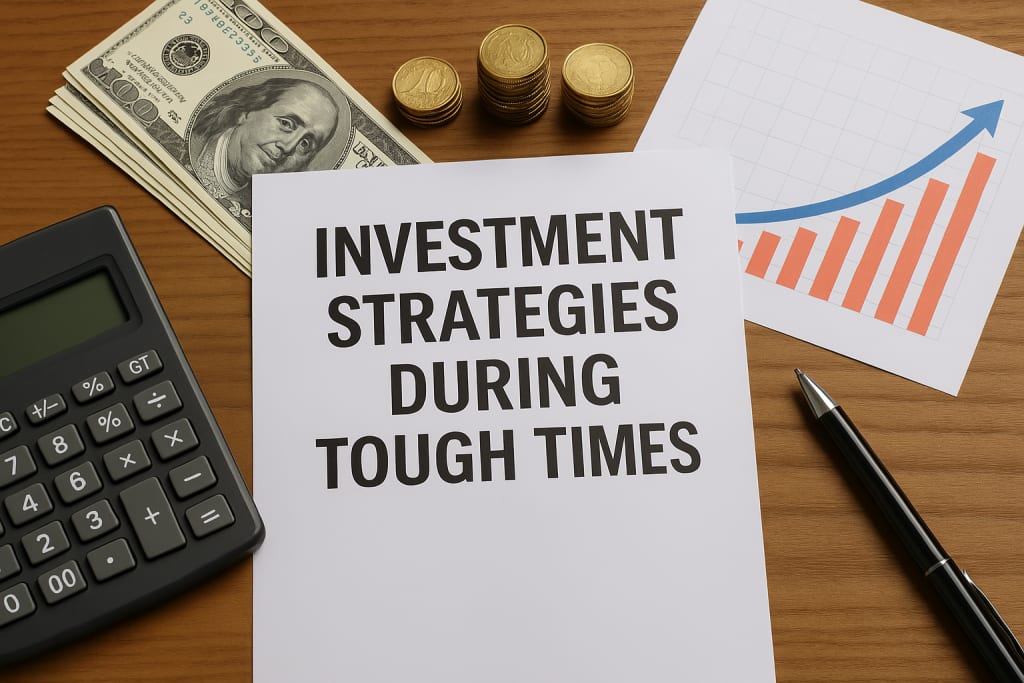
When the economy gets shaky, many people worry about their savings and investments. Prices rise, jobs become uncertain, and markets go up and down. But the truth is, even in hard times, you can still make smart financial moves. In fact, some of the best investment opportunities come during difficult periods—if you know where to look and what to do. This guide offers clear, simple tips to help you protect and grow your money, even when the world feels uncertain.
1. Don’t Put All Your Money in One Place
One of the first rules of investing is diversification. This means spreading your money across different types of assets like stocks, bonds, and real estate. If one area loses value, the others can help balance it out. For example, in past crises, people who only owned stocks lost big. But those who had a mix of investments often did much better. A good mix might include U.S. and international stocks, treasury bonds, and real estate investment trusts (REITs).
2. Invest in Safe and Steady Companies
Not all businesses are hit equally during tough times. Companies that provide daily needs—like food, healthcare, and utilities—usually stay strong. These are called defensive stocks. Brands like Procter & Gamble, Johnson & Johnson, or energy companies often perform well in economic downturns. Putting some of your money into these “safe” companies helps protect your portfolio when the market struggles.
3. Look for Value Stocks
Value investing means buying strong companies at a discount. Sometimes, during market drops, good companies are priced lower than they should be. This is your chance to buy in at a bargain. Famous investors like Warren Buffett use this strategy. Look for businesses with low debt, steady earnings, and well-known brands. Hold onto them for the long term, and you’re more likely to see good returns.
4. Save an Emergency Fund
Before making big investments, build a safety net. Experts recommend saving 3 to 6 months' worth of living expenses. Keep this money in a high-interest savings account. This way, if you lose your job or face a sudden expense, you won’t need to sell investments at a bad time. An emergency fund gives you confidence and peace of mind.
5. Add Gold, Silver, or Commodities
In uncertain times, many investors turn to precious metals like gold and silver. These assets tend to hold their value when stocks are falling. In 2020, for example, gold rose more than 25%. You can invest in metals through ETFs (Exchange-Traded Funds), such as GLD for gold or SLV for silver. These help protect your portfolio against inflation and economic shocks.
6. Use Bonds for Safety
Government and corporate bonds are generally safer than stocks. U.S. Treasury bonds are backed by the government, which makes them one of the safest options. Big companies like Microsoft or Apple also issue bonds that pay regular interest. When stock markets are wild, bonds can provide calm, steady income and balance out your investments.
7. Stay Informed and Flexible
Markets are always changing, and successful investors keep learning. Follow trusted financial news sources, and understand how events like interest rate hikes or inflation reports affect your money. If the Federal Reserve changes policies, or if new trends appear, be ready to adjust your investment plan. Being informed helps you stay ahead.
---
Conclusion
Tough times don’t mean you have to lose money. With the right strategy, you can not only protect what you have but also find chances to grow. Spread your investments, choose solid companies, keep some savings, and stay alert. Smart investing during hard times isn’t just possible—it can be your key to long-term success.
About the Creator
Keep reading
More stories from Insect Legends and writers in Trader and other communities.
Wings of Emerald: The Mesmerizing Elegance of the Emerald Swallowtail
Introduction Nature never ceases to amaze us with its vibrant palette and dazzling designs. Among the most enchanting of these natural masterpieces is the Emerald Swallowtail Butterfly (Papilio palinurus). With its iridescent green wings that shimmer like precious gemstones, this butterfly is not just an insect — it’s a living jewel, a breathtaking marvel that captures the hearts of scientists, artists, and nature lovers alike.
By Insect Legends9 months ago in Earth
Philippines Travel Technology Market: Digital Transformation, Consumer Trends & Industry Growth
Philippines Travel Technology Market Overview The Philippines travel technology market is expanding rapidly as travel operators, service providers and consumers increasingly adopt digital solutions to enhance convenience, efficiency and overall travel experiences. Travel technology — encompassing online booking systems, mobile applications, artificial intelligence (AI), cloud platforms, data analytics, digital payments and customer engagement tools — has become a strategic cornerstone for airlines, hotels, tour operators, travel agencies and transport services. The Philippines travel technology market size reached USD 214.00 Million in 2024. Looking forward, the market is expected to reach USD 361.86 Million by 2033, exhibiting a growth rate (CAGR) of 6.01% during 2025-2033. This growth reflects rising internet penetration, mobile usage, digital payment adoption and a resurgent travel demand post-pandemic as Filipinos and international tourists seek seamless digital journeys.
By Manisha Dixit7 days ago in Trader
Japan Building Automation Systems Market Size and Forecast 2025–2033
Introduction Japan is undergoing a profound transformation in the way its buildings are designed, managed, and operated. From skyscrapers in Tokyo to manufacturing hubs in Aichi and logistics centers in Chiba, the demand for smarter, more energy-efficient, and digitally connected infrastructure is accelerating. At the center of this transformation lies the Building Automation Systems (BAS) market, which integrates mechanical, electrical, and electromechanical services into a centralized, intelligent control framework.
By Marthan Sir3 days ago in Trader



Comments
There are no comments for this story
Be the first to respond and start the conversation.