
Silver Price: Trends, Influences, and Its Connection to the MSCI World Index
Silver price movements are shaped by industrial demand, global market trends, and investor sentiment. Explore how silver prices relate to the MSCI World Index and strategies for long-term investment.

Introduction
The silver price is one of the most closely monitored indicators in both commodities and financial markets. Known for its dual role as a precious metal and industrial resource, silver attracts a wide range of investors. Traders, portfolio managers, and individual investors watch silver prices for clues about inflation, economic health, and safe-haven demand.
Interestingly, silver price trends often have a connection with global equity markets, particularly the MSCI World Index. While silver is a tangible asset and equities represent ownership in companies, both respond to broader macroeconomic factors like interest rates, inflation, and market volatility. Understanding this connection can help investors balance their portfolios between commodities and equities.
Key Factors Influencing Silver Price
Several factors play a critical role in shaping the silver price:
Global Supply and Demand: Silver is extensively used in electronics, solar energy, medical devices, jewelry, and industrial applications. An increase in industrial demand or disruptions in mining production can significantly impact prices.
Inflation and Currency Movements: Silver acts as a hedge against inflation. A declining U.S. dollar often pushes silver prices higher, as the metal becomes cheaper for holders of other currencies. Conversely, a strong dollar can suppress silver prices.
Market Sentiment and Economic Uncertainty: During periods of global uncertainty—geopolitical tensions, economic slowdowns, or financial crises—investors often turn to silver as a safe-haven asset.
Interest Rates and Monetary Policy: Rising interest rates increase the opportunity cost of holding non-yielding assets like silver, which can reduce demand. Low rates, however, encourage investment in precious metals.
Correlation with Equity Markets: The MSCI World Index, which tracks large and mid-cap stocks across developed markets, can indirectly influence silver prices. Strong equity markets may boost industrial activity, increasing demand for silver. During market downturns, silver can attract safe-haven investors, demonstrating its complex relationship with global equities.
Silver as an Investment
Investors have multiple options to gain exposure to silver:
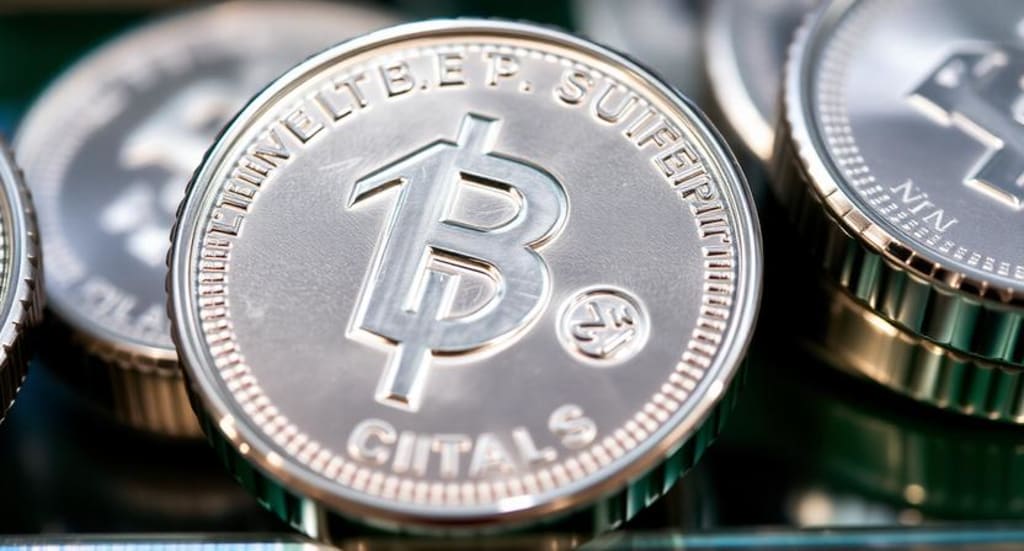
Physical Silver: Coins, bars, and bullion provide direct ownership but require storage and insurance.
Silver ETFs and Funds: Exchange-traded funds track silver prices and offer a convenient, liquid way to invest without handling physical metal.
Futures and Options: Commodity derivatives allow investors to speculate on silver price movements or hedge other positions.
Silver Mining Stocks: Investing in companies that mine silver provides indirect exposure to price changes while potentially benefiting from operational growth.
Pairing silver investments with equities in the MSCI World Index can help investors balance risk. While equities offer growth potential, silver can provide stability during market volatility, improving overall portfolio resilience.
Recent Trends in Silver Price
In recent years, silver prices have been influenced by both industrial demand and market sentiment. Growth in renewable energy, electronics, and healthcare sectors has increased industrial consumption, putting upward pressure on silver prices.
At the same time, the MSCI World Index has experienced periods of volatility that have affected investor behavior. When global equities face uncertainty, silver often gains attention as a safe-haven asset. Conversely, periods of strong equity performance may drive industrial demand for silver higher, showcasing a nuanced but meaningful relationship between silver prices and the broader market.
Benefits of Investing in Silver
Investing in silver offers several advantages:
Diversification: Silver complements equities like the MSCI World Index, providing exposure to an asset class that reacts differently to economic conditions.
Hedge Against Inflation: Precious metals like silver retain value during inflationary periods.
Industrial Demand: Silver’s use in technology and renewable energy ensures ongoing relevance and demand.
Liquidity: Silver ETFs and futures provide easy access for investors.
Risks and Considerations
While silver is a valuable investment, it comes with risks:
Price Volatility: Silver prices can fluctuate significantly in short periods.
Market Dependence: Prices are sensitive to macroeconomic factors, industrial demand, and investor sentiment.
Concentration Risk: Heavy exposure to commodities can unbalance portfolios if not paired with equities or bonds.
Currency Risk: Investors outside the U.S. may face exchange rate fluctuations affecting returns.
Role of Silver in a Diversified Portfolio
Silver often serves as a hedge and portfolio stabilizer. While equities in the MSCI World Index offer growth potential, silver provides a protective layer against economic uncertainty. Investors typically allocate a small portion of their portfolio to silver alongside global equities, bonds, and other assets to reduce overall risk and enhance diversification.
Combining silver with equities allows investors to benefit from both industrial growth and financial market trends. For example, during strong economic cycles, industrial demand may push silver prices higher, while during market volatility, silver acts as a safe-haven asset. This complementary behavior makes silver an effective addition to globally diversified portfolios.
Conclusion
The silver price is influenced by a variety of global factors, including industrial demand, economic uncertainty, inflation, and market sentiment. Its connection to global equity trends, particularly the MSCI World Index, highlights how commodities and equities interact in complex ways.
For investors, silver offers both a hedge against risk and an opportunity to diversify portfolios. Pairing silver with global equities like those tracked by the MSCI World Index provides balance between growth and stability, making it a valuable component of long-term investment strategies. Understanding silver price movements and their correlation with global markets is essential for building resilient and well-diversified portfolios.
About the Creator
Hammad Nawaz
Hammad here, sharing stock market insights, trading strategies, and tips. Helping traders understand trends, risk, and opportunities in equities, forex, and commodities.
Keep reading
More stories from Hammad Nawaz and writers in Trader and other communities.
MSCI World Index: Understanding a Key Benchmark for Global Stock Markets
Introduction to the MSCI World Index The MSCI World Index is one of the most widely followed stock market benchmarks in the world. It is designed to measure the performance of equity markets across developed countries, offering investors a broad view of how global stocks are performing outside of emerging economies. For anyone interested in international investing, portfolio diversification, or long-term wealth building, understanding the MSCI World Index is essential.
By Hammad Nawaza day ago in Trader
Europe Medical Ceramics Market Size & Forecast 2026–2034
Introduction: A Quiet Revolution in Medical Materials Europe’s healthcare sector is undergoing a material transformation—one that is less visible to patients but crucial to the future of medical treatment. From hip replacements and dental crowns to bone grafts and reconstructive surgery, medical ceramics are rapidly becoming the preferred materials for long-term, high-performance medical applications.
By shibansh kumarabout 14 hours ago in Trader



Comments
There are no comments for this story
Be the first to respond and start the conversation.