
Setting Smart Goals – The Edwin’s way!
Dr. Edwin Locke’s Theory on Setting Smart Goals.


In my initial days of Pursuing Masters Degree in Chennai, I realized how important it is to set goals in life. Planning your career, your wedding, kids, vacation, retirement etc. But something got me wondered, what would be the right way to set goals & achieve them? Being an avid reader, I came across Dr. Edwin Locke’s theory on Setting smart goals. I applied the same principles in investing world as well & that is where I found my calling.
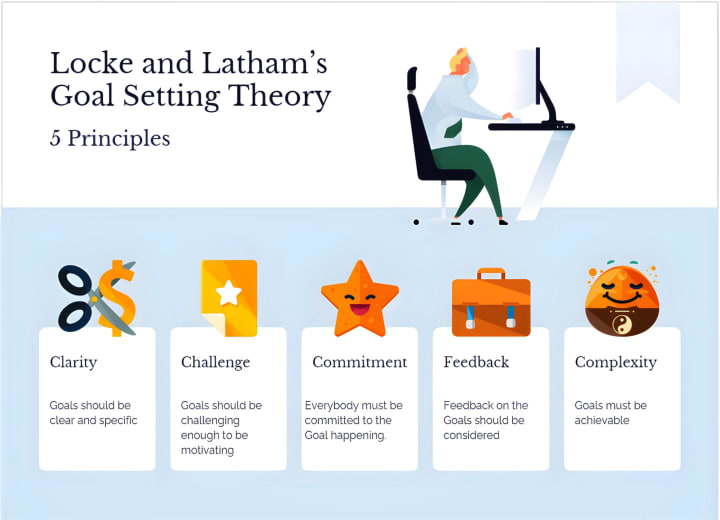
Dr. Edwin Locke's Goal Setting Theory
Dr. Edwin Locke's Goal Setting Theory, developed in the 1960s, emphasizes that specific and challenging goals lead to better performance. He found that people are more motivated when their goals are clear, measurable, and achievable. The theory identifies five key principles:
1.Clarity: The goal should be clear and specific.
2. Challenge: The goal should push you to reach beyond your current abilities.
3. Commitment: You need to be fully committed to the goal.
4. Feedback: Continuous feedback helps to track progress and make adjustments.
5. Task Complexity: As goals become more complex, we need to be mindful of the resources and time required to achieve them.

Applying Locke’s Theory to Life and Investments
I’ve always been a firm believer in the power of goal-setting. When I first started investing, I realized that it wasn’t just about picking stocks or finding good real estate deals. It was about having a vision, a purpose, and a clear plan to achieve financial security. At that time, I turned to Dr. Locke’s Goal Setting Theory to guide me. Here’s how I applied each of his principles to both life and investments.
1. Clarity: Setting Clear Investment Goals
In the early days of my investment journey, I didn’t have clear goals. I would jump from one investment option to other based on market volatility, hoping for a quick return. But I quickly realized that I wasn’t going anywhere. It was only when I defined what I wanted—be it long-term wealth growth, building an emergency fund, or preparing for retirement—that I started to see real progress.
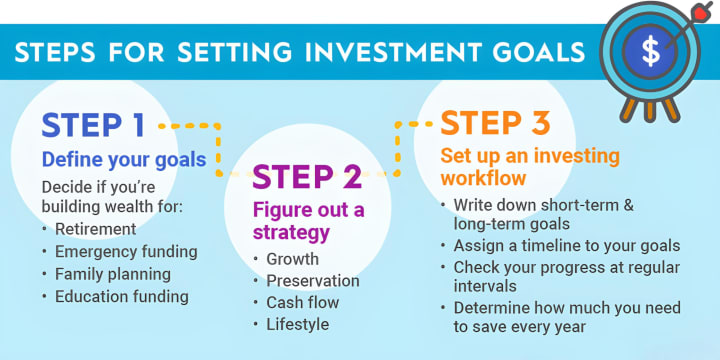
Locke’s emphasis on clarity taught me to define specific goals. For example, I didn’t just want to “make money”; I wanted to achieve a 12% return on investments annually for the next 20 years to build enough wealth to retire comfortably. Once I had a clear goal, everything became more focused. I knew where I was headed and how to get there.

2. Challenge: Setting Stretch Goals
A key takeaway from Locke’s theory is that goals should be challenging enough to inspire growth but not so difficult that they become discouraging. When I first set my investment goals, I started small and worked my way up. However, I soon realized that I wasn’t challenging myself enough.
I decided to aim for a 16% return on my investments over the next few years. While it felt like a stretch at first, it pushed me to improve my research, diversify my portfolio, and learn more about the markets. By challenging myself, I improved my investment skills, and over time, I began to see returns that exceeded my original expectations.
In life, this principle applies too. Whether you’re trying to lose weight, get a promotion, or build a business, setting stretch goals makes all the difference. Without challenge, there’s no growth.

3. Commitment: Staying Dedicated to Your Goals
The third principle, commitment, is crucial—especially in investments. It’s easy to get distracted by the noise of the market or make impulsive decisions when you’re not fully committed to your goal. Early in my investment journey, I found myself wavering. Some months, I would want to cash out and take profits; other months, I wanted to abandon stocks for something “safer.”
However, when I committed to my long-term goals, I began to stick to my investment strategy. I realized that real wealth accumulation doesn’t happen overnight. It’s about staying the course and trusting the process. That’s why commitment is essential—not only to your investment strategy but also to your life goals.
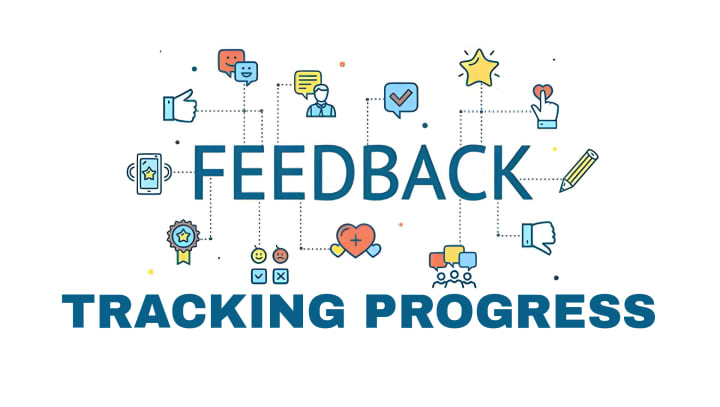
4. Feedback: Tracking Progress
One of the best parts of Locke’s theory is the focus on feedback. In investments, this means periodically reviewing your portfolio’s performance. In the past, I would only check my investments when I felt uneasy about the market, but I soon learned that with a structured periodic monitoring helped me stay on track and make informed decisions.
Feedback isn’t just about tracking financial growth, though. It’s about understanding what’s working and what isn’t. For example, when I noticed my stock picks weren’t performing or a particular mutual fund has been underperforming consistently, I sought feedback from experts, read books, and attended investment seminars. I adjusted my strategies and saw better results.
In life, feedback also plays a crucial role. We don’t always get everything right on the first try. But by actively seeking feedback and being open to learning from our mistakes, we can adjust our course and continue progressing toward our goals.

5. Task Complexity: Breaking Down Complex Goals
Finally, Locke’s theory reminds us that complex goals require careful planning and breaking them down into smaller, manageable tasks. Achieving financial independence, for example, is a huge undertaking. But when you break it down into smaller goals, like saving a specific amount each month, investing in diversified products, or learning about tax optimization, it becomes more achievable.
In life, complex goals like improving health or building a career also need to be broken down into smaller steps. It’s overwhelming to think about running a marathon without first taking up jogging regularly. Similarly, it’s daunting to think about financial independence without taking steps like building an emergency fund, reducing debt, or learning about investing.

The Takeaway: Goals Are the Roadmap to Success
Reflecting on my journey, I can say with confidence that Dr. Edwin Locke’s Goal Setting Theory was a game-changer. It taught me that goal-setting is not just a motivational tool—it’s a strategy for success. Whether you're investing, building a business, or improving your personal life, applying the principles of clarity, challenge, commitment, feedback, and task complexity can help you achieve your dreams.
Investing wisely and building a fulfilling life is a long-term journey. But with the right goals and a structured approach like Locke’s theory, we can make meaningful progress. So, the next time you set a goal, whether it’s financial or personal, remember: the clearer, more challenging, and more committed you are, the more likely you’ll be able to achieve success.

About the Creator
SubhShanti Wealth
Since 2011, SubhShanti Wealth has empowered investors by transforming one-sided sales into meaningful conversations that prioritize financial well-being. Beyond mutual fund distribution, we guide you toward lasting financial security.
Keep reading
More stories from SubhShanti Wealth and writers in Trader and other communities.
Goals Don’t Define Us - Roadmaps Do.
When it comes to personal finance, goals are essential. Whether it’s saving for retirement, purchasing a home, funding a child’s education, or building an emergency fund, having clear financial goals gives us direction and purpose. However, simply setting goals is not enough. To truly achieve financial success, we must go beyond defining what we want to do—we must create a well-thought-out roadmap that outlines the necessary steps, decisions, and timelines to turn those goals into reality.
By SubhShanti Wealth10 months ago in Trader
Bitcoin Tests a Critical Zone as the Fed Signals a Pause
As of January 19, 2026, Bitcoin is once again approaching a psychologically significant price level. After climbing to approximately 97,000 dollars, Bitcoin has reached its highest level in nearly two months. This recovery has reignited market discussion around whether Bitcoin can attempt another move toward the 100,000 dollar mark before February. However, expectations that the Federal Reserve will maintain its current interest rate policy remain a critical variable shaping investor sentiment.
By crypto genie3 days ago in Trader
My New Book is Finally Here
My poetry collection Beautiful and Brutal Things is done. It's actually done and finally published over 270 pages. Over a year of my life went into this book. More than a year, really. Long days at my computer, sometimes seven days a week because I couldn't stop even when I probably should have. Then two months of editing that felt harder than the writing itself. But it's finished, and I'm still standing, and the book is real.
By Tim Carmichael4 days ago in BookClub




Comments
There are no comments for this story
Be the first to respond and start the conversation.