
Safety First: Testing and Compliance in Baby Product Manufacturing
Safety First: Testing and Compliance in Baby Product Manufacturing
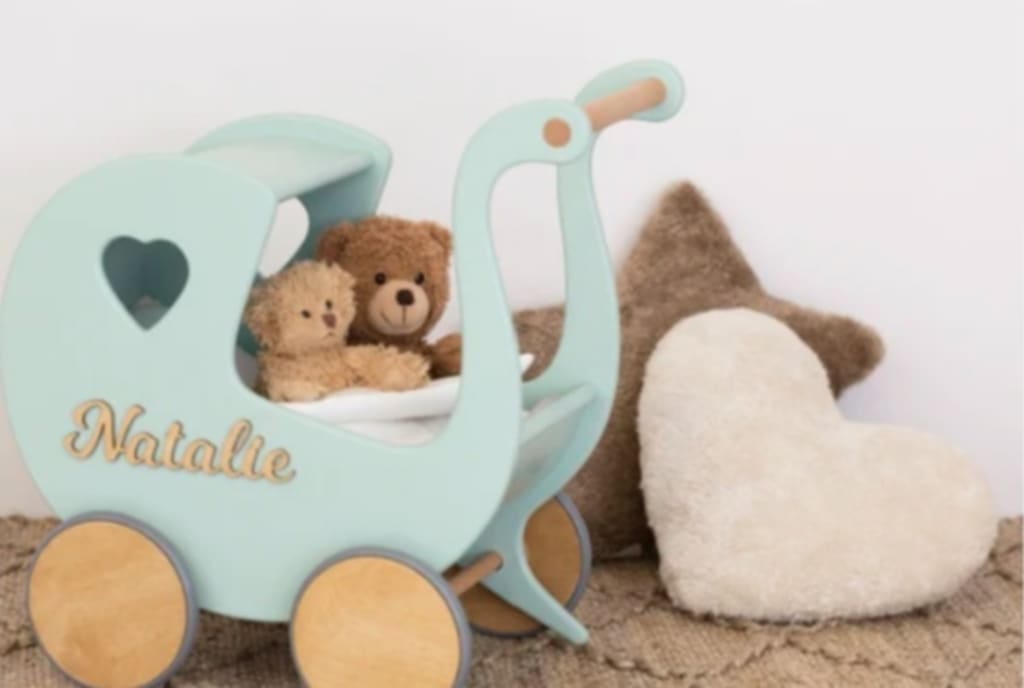
The business of manufacturing baby products is one of the most competitive and therefore, products that are produced for use by babies have to be safe and of high quality as a way of protecting the consumers. This applies to the continually rising expectations that parents and caregivers have that the manufacturers of the products test their items thoroughly and adhere to all the safety measures in order to gain trust and ensure that their brand is up and running. Thus, this article will discuss key areas of safety tests and compliance concerns as related to baby products that can benefit many establishments operating in this niche.
Safety in Baby Product Manufacturing
The fundamental requirement for any baby product manufacturer is safety, without which the business cannot be successful. Businesses are involved in the manufacturing of baby products like strollers, cribs, car seats, toys and others and therefore, safety standards that have been put in place by the regulatory bodies must be met. These standards are meant to protect the infants and young children from getting in contact with the products because they are very sensitive.
When it comes to baby product manufacturing, appropriate regulation is not a suggestion, but rather an absolute necessity. If the requirements are not met, recalls will be needed, legal proceedings will be opened against you, and your stroller brand's reputation will suffer. And, ensuring safety helps to gain the trust of the customers, as a result, the customers will stick to the business for the long-term goals.
Navigating Complex Requirements
Governing the production of baby products is the many regulations that are in place, but these always differ by country or region. For instance, in the United States of America, the Consumer Product Safety Commission (CPSC) set high standards of safety on products such as baby’s crib, high chair and strollers. Likewise, the European Union’s EN 1888 standard establishes the safety of carriage strollers and prams criterion.
Most organizations planning to export their products to different countries need to adhere to these different regulations and standards. If various standards are not followed in each market there are penalties and restrictions when entering a certain market. Thus, the implementation of the strong compliance program that should reflect modern legislation changes is critical for any baby product manufacturer.
Testing Protocols: Ensuring Product Safety
Stringent testing is the bedrock of safety in the baby product line of production, and the public is well aware of the shocking results that come with compromising on this aspect. Various tests are compulsory for manufacturers to conduct on their products in an endeavor to make sure they passed the safety standards. These tests can include:
- Mechanical Testing: Tests the product’s sturdiness to pass through a set of certain activities or trials in the consumers’ home without getting broken or posing any danger to the users.
- Chemical Testing: Assures that fabrics used in the product do not contain dangerous elements like lead, phthalates, and formaldehyde that are injurious to the health of children.
- Flammability Testing: Evaluates the flammability of products, which is quite relevant to such product types as mattresses and bedding.
- Choking Hazard Assessment: Checks that if small parts were used they are correctly placed without being a health hazard to infants in case they get hold of the component.
With these and such other related tests, manufacturers are able to confirm that their goods are safe to be launched on the market. Working with a certified testing laboratory is also beneficial in order to receive additional guarantees of compliance with the highest level of safety of your products.
The Role of Quality Assurance in Manufacturing
Pertaining to safety and compliance, quality assurance or QA assumes the central role in the manufacture of baby products. QA is employed sequentially throughout the manufacturing process beginning with the systems’ design stage up to the extent of finished product inspection. These processes are useful in the identification of safety problems which can be prevented at the early stages to avoid defects and failure to the compliance standards.
The application of organogram on the working process includes the possibility to manage risks using QA measures, for instance, by performing inspections, monitoring processes, and training employees to improve product safety. For instance, the QA program of a custom stroller manufacturer may begin with checking a few random parts assembled on different manufacturing lines to ensure that all parts meet the safety standards before being assembled together. Such a preventive measure drives not only safety concerns but also quality of the baby product.
Building Consumer Trust
Target consumers in the contemporary world are more informed and skeptical than ever would be. This means that they will want this same transparency from the manufacturers especially in terms of safe products that may be provided to their children. The two main communication types that can be seen in this case are mass communication and operational communication. The two organizations can share information about their safety testing and guarantee compliance to consumers and business partners.
For instance, almost all the manufacturing stroller companies in the market today have sections on their websites that explain the various measures that are taken in testing the products. Such assertions indicate that by stressing these measures, the companies can secure the attention in a competitive market as well as the attention of business people making their businesses safe.
Also, extending the customization services like custom strollers assistance by the business helps fulfill the customers’ needs while retaining the security concerns. Communication of the customization specifics, including the safety testing of custom features, fortifies this assurance yet again.
Whenever it comes to the manufacturing of baby products, safety and compliance standards cannot be compromised in the current world that has many competitors. Manufacturers have the responsibility to perform different tests, follow many complicated regulations, and provide high-quality products for children. In this way, businesses can ensure they are understood by customers, especially regarding their products, decrease the chances of having to conduct product recalls, and sustain the reputation of their company.
This could be largely attributed to the fact that safety has been treated as a legal framework rather than a business investment. Continued increase in the bar of customer demands will mean that companies who are willing to invest in safety measures when producing their baby product will be a significant beneficiary of the growing market.
About the Creator
Keep reading
More stories from Saim Artist and writers in Trader and other communities.
Exploring the Technology Behind Запаечная Машина and Its Impact on Packaging Efficiency
As in any other industry, the packaging industry also values efficiency and reliability of the equipment. Sealing machines or Запаечная машина are also used in this process to give the necessary seal for the product to enhance its shelf life and safety. Manufacturers of capping machines have since then refined this technology to suit the increasing needs of industries such as the food and beverage and the pharmaceutical industries. This article focuses on the technological aspect of запаечная машина and explores how these technologies have boosted packaging effectiveness. The advancement in technology especially in the area of automation and material science has boosted the capabilities of these machines to accommodate more materials and packaging styles. This flexibility not only satisfies the requirements of different industries but also addresses the dynamic nature of consumer preferences and regulatory requirements, making запаечная машина a crucial component of effective packaging lines today.
By Saim Artist2 years ago in Trader
Who Came Up With Sound Money?
Have you ever wondered why your grocery bill has been so high over the last few years? The answer is inflation, a product of the current economic system. The Federal Reserve currently targets an average inflation rate of around 2% over time.
By Sound Moneyabout 3 hours ago in Trader
Clinical Trials Market Size and Forecast 2026–2034
The global clinical trials market is entering a period of strong and sustained expansion as pharmaceutical innovation accelerates worldwide. Increasing research and development (R&D) investments, the rising burden of chronic diseases, and rapid technological advancements in healthcare research are creating significant opportunities for the industry. Clinical trials remain the cornerstone of medical progress, ensuring that new drugs, vaccines, and medical technologies are safe and effective before reaching patients.
By Sakshi Sharma2 days ago in Trader
A Transparent Look at Vocal Challenges and Top Stories
Almost three years ago, we shared a resource article that served as a place for people to suggest new challenge prompts. We thought it would be a good idea to refresh that thread, and take the opportunity to answer a few common questions about top stories, how challenges are judged and how submissions are reviewed.
By Vocal Curation Teamabout an hour ago in Resources



Comments
There are no comments for this story
Be the first to respond and start the conversation.