
Pausing the Battle: Inside the US-China Trade Truce
What the Temporary Agreement Means for Global Markets, Diplomacy, and the Road Ahead

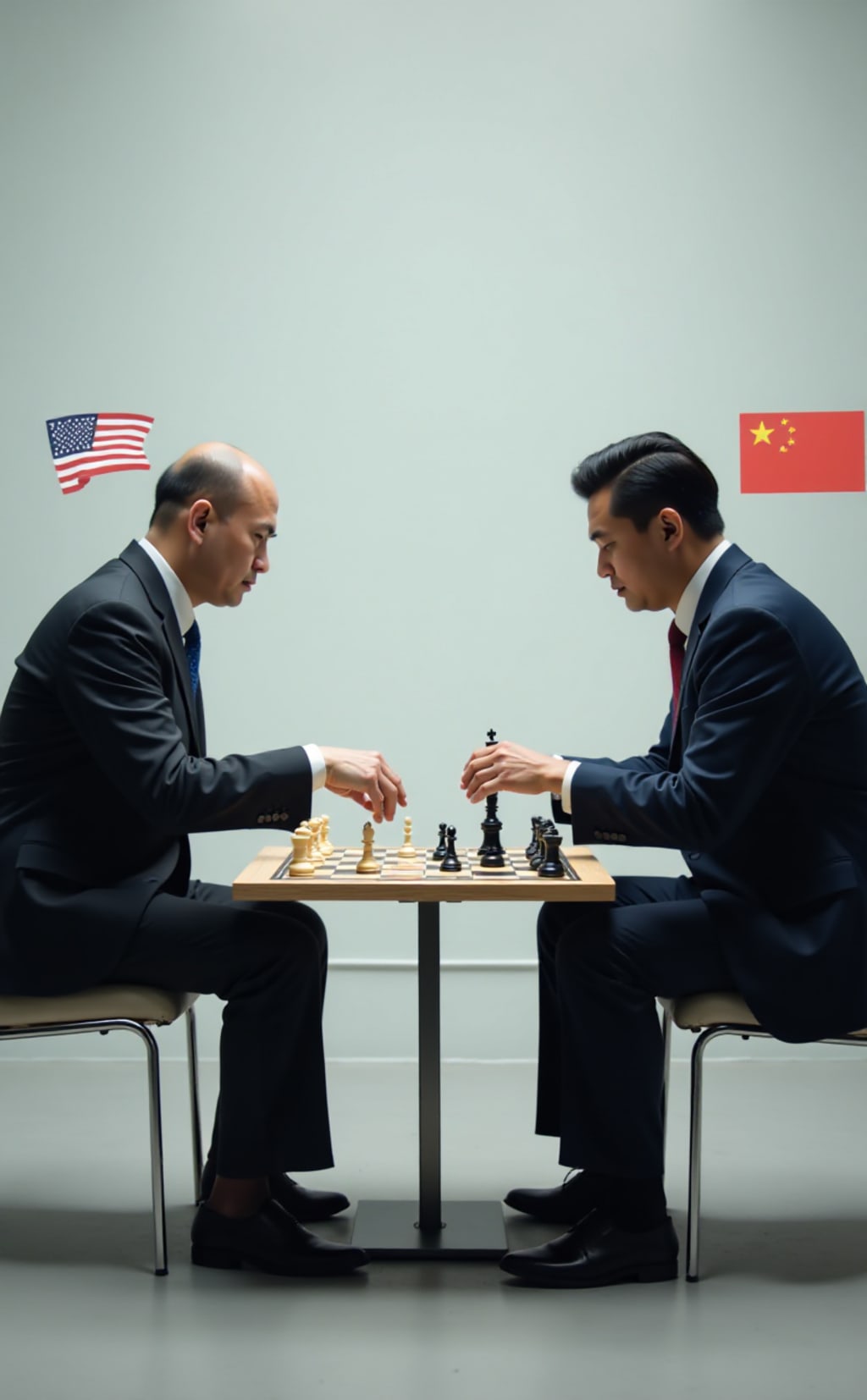
The economic tug-of-war between the United States and China has defined much of global trade discourse in recent years. After months of escalating tariffs, retaliatory restrictions, and tense negotiations, both nations reached a fragile but significant agreement: a trade truce. While this doesn’t signal the end of the broader economic rivalry, it marks a pause — a moment of de-escalation that brings temporary relief to businesses, investors, and policymakers worldwide.
What is a Trade Truce?
A trade truce, in essence, is a mutual agreement to halt further economic penalties — such as tariffs or import bans — while negotiations continue. In this case, the United States agreed to postpone additional tariffs on Chinese goods, while China committed to increase its purchases of American products, particularly agricultural goods and energy. It's not a resolution, but rather a ceasefire — a cooling-off period that allows both sides to continue talks without raising economic tensions further.
The Backdrop of the Conflict
To understand the weight of this truce, it's important to recall the path that led here. The US-China trade war began with concerns over intellectual property theft, unfair trade practices, and a massive trade imbalance. The U.S. accused China of manipulating currency and subsidizing industries in ways that hurt American businesses. China, in turn, criticized the U.S. for its aggressive tariff strategy and protectionist stance.
Over time, both countries imposed hundreds of billions of dollars in tariffs on each other's goods. This hurt not just China and the U.S., but also disrupted global supply chains, slowed manufacturing, and created uncertainty in markets from Europe to Southeast Asia.
What the Truce Covers
The current truce includes several key points:
Suspension of new tariffs: The U.S. agreed not to impose further tariffs that were previously scheduled.
Chinese commitments: China agreed to buy more American products — a move that could help ease the trade imbalance and support American farmers and industries.
Continued negotiations: Both countries pledged to keep diplomatic and trade discussions ongoing, seeking a more comprehensive long-term agreement.
Importantly, this truce is more symbolic than structural. Major issues like technology transfer rules, data privacy, market access, and enforcement mechanisms remain unresolved. But symbolism can be powerful, especially in markets where perception drives confidence.
Global Impact
Global investors responded positively to the news of the truce. Stock markets rebounded slightly, and analysts noted that even a pause in hostilities helped restore some economic confidence. For multinational corporations, it offered a moment of breathing room — though many remain cautious, aware that the underlying tensions have not disappeared.
Farmers and exporters in the U.S. also saw the truce as a chance to recover from the hit they’ve taken during the tariff battle. Chinese purchases of soybeans, pork, and other goods could offer much-needed support in struggling sectors. Meanwhile, China, facing slowing growth and internal pressure, benefits from avoiding further economic strain and signaling cooperation on the global stage.
Why It Matters — and Why It Might Not Last
While the truce may feel like progress, experts warn it could be temporary. The structural differences between the U.S. and China — including their economic models, political ideologies, and strategic goals — remain vast. Many of the grievances that triggered the trade war have not been resolved, just postponed.
There’s also the risk of the truce being used for political advantage rather than real reform. In both countries, domestic pressure plays a key role. Leaders may present the agreement as a win at home while remaining cautious at the negotiation table. If talks stall or one side feels the other is not honoring commitments, the trade war could easily reignite.
Looking Forward
The US-China trade truce is not an end — it’s a pause. But it’s a meaningful pause. It shows that even in a deeply polarized and competitive environment, diplomacy is still possible. It reminds us that while global economic battles may grab headlines, cooperation — even cautious and temporary — is always an option.
What happens next will depend on how both countries navigate upcoming talks, honor existing promises, and manage the domestic and international pressures pushing them in different directions.
For now, the world watches. The truce may be fragile, but it holds the promise — however faint — of a future where economic cooperation outweighs confrontation.
About the Creator
Keep reading
More stories from Habibullah khan and writers in Trader and other communities.
U.S. and U.K. Seal Landmark Trade Deal, Ushering in New Economic Era
U.S. and U.K. Seal Landmark Trade Deal, Ushering in New Economic Era The historic trade agreement between the U.S. and U.K. promises to reduce tariffs, boost trade, and strengthen economic ties between the two nations.
By Habibullah khan 10 months ago in Trader
Aurobindo Pharma Share: Latest Market Trends and Investment Insights
Aurobindo Pharma Share The Aurobindo Pharma share has been a focal point for investors as the pharmaceutical sector continues to experience rapid growth and changing market dynamics. Aurobindo Pharma Limited, one of India’s leading pharmaceutical companies, has built a strong reputation globally through its diverse portfolio of generic medicines, active pharmaceutical ingredients (APIs), and complex formulations.
By Hammad Nawaz4 days ago in Trader
A System That Isn’t Working Challenge Winners
Systems promise order. They organize behavior, distribute opportunity, and suggest that if everyone follows the rules, things will work. The entries in A System That Isn’t Working look closely at what happens when that promise begins to slip.
By Vocal Curation Team5 days ago in Resources




Comments
There are no comments for this story
Be the first to respond and start the conversation.